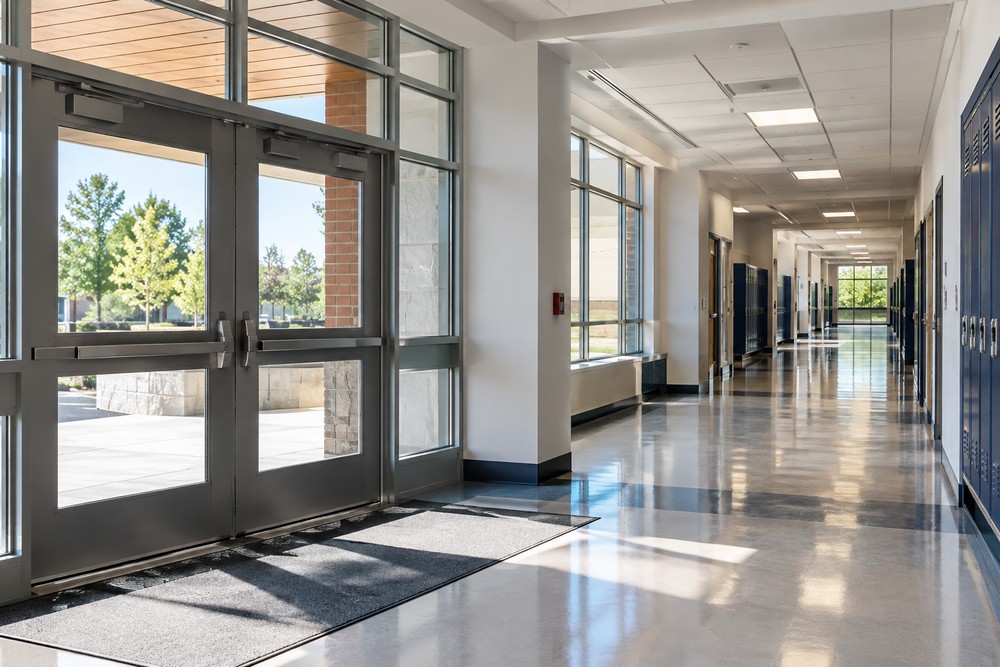
Ensuring a safe learning environment is a shared commitment that requires active participation from students, educators, facility managers, and families. Modern school safety encompasses far more than locked doors; it spans physical infrastructure, environmental health, emergency readiness, and emotional well-being.
Below are 10 essential safety tips that help build a resilient, secure, and supportive educational ecosystem for everyone involved.
1. Secure Access Points & Visitor Management
Controlling campus access is the primary line of defense. Schools should enforce designated single-entry points equipped with buzz-in video systems or keycard readers. All visitors—including parents and contractors—must check in at the main office, present identification, and wear visible badges while on school grounds.
2. Conduct Regular Physical Facility Audits
Preventing trips, falls, and structural accidents requires ongoing oversight. Facilities teams should perform monthly walk-throughs to inspect stairwells, handrails, door mechanisms, and outdoor walkways. Promptly repairing cracked concrete or uneven pavement reduces pedestrian hazards during high-traffic school hours.
3. Partner with Certified Outdoor Play Experts
Playgrounds are central to student growth, but equipment must be age-appropriate, securely anchored, and installed over shock-absorbing surfaces like rubber tiles or engineered wood fiber. When upgrading or installing outdoor play zones, partnering with certified playground installers in Utah ensures structures adhere to rigorous safety standards, proper fall-zone clearances, and ASTM regulations.
4. Prioritize Indoor Air Quality & HVAC Maintenance
Clean indoor air directly impacts cognitive focus, attendance, and overall health. School maintenance staff should regularly replace HVAC filters with high-efficiency alternatives, monitor humidity levels to prevent mold growth, and maintain continuous airflow across crowded areas like gymnasiums and cafeterias.
5. Practice Comprehensive Emergency Drills
Preparedness transforms uncertainty into structured response during crises. Schools must conduct routine, age-appropriate drills for various scenarios—including fire evacuations, severe weather, and security lockdowns. When students and staff practice routes and protocols repeatedly, response times improve significantly.
6. Streamline Traffic and Drop-Off Zones
Morning drop-offs and afternoon pick-ups create heavy congestion around school perimeters. Creating separate lanes for buses, personal vehicles, and pedestrians prevents accidental collisions. Clearly painted crosswalks, visible speed limit signage, and trained crossing guards further protect students arriving on foot.
7. Evaluate Environmental Building Hazards
Older school facilities require proactive environmental assessments to protect indoor air quality. Conducting regular checks for mold, lead, and airborne contaminants guarantees compliance with safety standards. Before embarking on building modernization or repairs, professional testing for legacy materials like asbestos prevents accidental exposure.
8. Foster an Inclusive & Supportive Culture
Physical measures must be paired with emotional safety. Schools thrive when administrators promote kindness, open communication, and anti-bullying initiatives. Providing accessible channels for students to report bullying or mental health concerns ensures issues are resolved before escalating.
9. Maintain Daily Hygiene & Cleanliness Standards
High-touch surfaces—such as desk tops, door handles, handrails, and shared equipment—should be disinfected daily to limit the transmission of seasonal illnesses. Stocking restrooms with soap and placing hand sanitizer stations at major entrances encourages healthy habits throughout the campus.
10. Encourage Shared Safety Awareness
Safety is most effective when everyone stays observant. Teachers, custodians, students, and parents should be empowered to speak up whenever they spot an open exterior door, a broken piece of equipment, or an unfamiliar visitor without a badge. A proactive community ensures potential hazards are resolved swiftly.
Conclusion
Building a truly safe educational institution requires constant vigilance, thoughtful planning, and collaborative effort. By combining physical security checks, clean indoor air management, safe outdoor play design, and an open school culture, communities can create an environment where students focus on learning, growing, and thriving.