Why a Fence Quietly Runs the Whole Backyard
Backyards somehow disclose everything. You can have a beautiful patio, lush grass, restaurant-style string lights, and a battle-ready barbecue. However, a worn, crooked, blotchy, or ghostly fence detracts from the landscape. The fence frames the painting. If the frame is bad, people question the picture.
Fences are important because of it. They set limits but also influence mood, style, and flow. A neat fence can soothe and maintain a yard. A worn one might make a yard appear abandoned. The fence is sometimes the silent offender in a polished or dirty garden, faking innocence.
The Fence Is Part Wall Part Backdrop Part Stage Actor
Most people think of a fence as a practical object. It keeps pets in, marks property lines, and creates privacy from the neighbor who somehow appears every time you try to eat outside. But visually, a fence does much more than that.
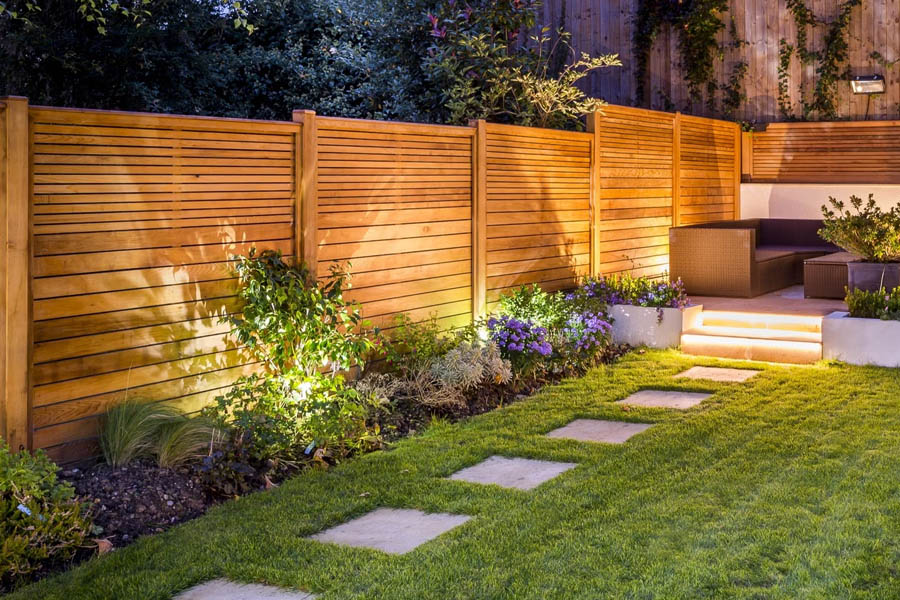
It borders the room like an outside wall. Flower beds, benches, bird feeders, and vegetable gardens are set against it. It also impacts yard colors. Bright plants seem different on natural wood than black metal or white vinyl. Small yards might seem intimate and organized with a fence, while bigger ones can feel dramatic and magnificent.
When a fence works well with the house and landscape, the whole yard feels intentional. It looks like someone actually had a plan, instead of simply hoping the hydrangeas would distract everyone.
Material Choice Changes the Personality of the Yard
Different fencing materials give backyards distinct personalities. A wooden fence seems cozy and storybook-like. Gardens, climbing roses, and outdoor dining areas complement it. It whispers, “Come sit here with lemonade.” Even wood is theatrical. It reacts to weather, moisture, sunshine, and time like a sensitive artist.
Vinyl fences seem neater and more fitted. They refresh, brighten, and organize a yard. Simple designs may be sharp and trendy. If the surface gets dirty, the immaculate appearance vanishes rapidly. Grimy vinyl fences have the same enthusiasm as white shoes after a muddy event.
Metal fence has a certain appeal. Wrought iron or aluminum may be elegant and open. These materials are ideal for homeowners who desire security without screening the landscape. Unfortunately, rust or flaking paint may turn neglected metal from attractive to dismal.
Composite materials appeal to individuals who demand durability and a completed look. These fences may appear elegant and durable while resisting numerous wood issues. No material is immune to weather and backyard life, so dirt and stains still occurs.
Color and Surface Condition Matter More Than People Expect
People notice color before they notice craftsmanship. That means a fence with uneven tones, dark streaks, green patches, or dull fading can affect the entire backyard in a split second. Even a sturdy fence can look neglected if the surface tells a rough story.
A fading fence may ruin the landscape. Healthy plants may seem dull behind a discolored fence. Patchy fences, especially those with irregular repairs or old paint, are unsightly. This yard debris competes with everything else. The landscape becomes disorganized, the patio furniture appears ancient, and the backyard lacks rhythm.
However, a clean, continuous fence rests the eye. The yard feels more connected. It sharpens and colors neighboring landscape. It may also increase sunlight reflection in tiny yards, when every optical trick counts.
Weather Has No Respect for Your Weekend Plans
Backyard fences live outdoors full time, which is a rough career path. Sun beats down. Rain lingers. Wind rattles panels. Humidity sneaks into every crack. Snow piles up like an unwanted houseguest. All of this leaves a mark.
Wood can swell, twist, crack, and discolor. Metal can corrode or lose its finish. Vinyl can collect mildew and dirt in ways that seem unfairly dramatic. Composite fencing may hold up well structurally while still looking dull if it is constantly exposed to grime, pollen, and moisture.
Fence placement also affects everything. Under thick trees, fences can keep moist for lengthy durations. Another part exposed to afternoon sun may fade faster. Uneven exposure might make the backyard appear older than it is. The barrier starts to show numerous unflattering emotions.
Landscaping Can Help a Fence Shine or Secretly Ruin It
Plants and fences should be buddies, but occasionally they act like costume drama enemies. The correct landscaping can soften rough lines, give depth, and help a fence blend into the backyard. A simple barrier may be beautified with layered shrubs, decorative grasses, and flower gardens.
Too many plants pack the barrier, causing issues. Trapped moisture, inadequate ventilation, and leaf or branch touch accelerate deterioration. Some vines are attractive, while others spread like syrup-covered toddlers. Heavy growth stains, loosens boards, and complicates upkeep.
Grass and weeds along the base also deserve attention. If the bottom edge of the fence stays wet or buried, deterioration has an open invitation. Keeping some breathing room around the structure helps preserve both the material and the appearance. A little space can save a lot of future grumbling.
Straight Lines and Sound Structure Affect Beauty Too
A fence does not need to be fancy to look good. It does need to look stable. Leaning posts, sagging gates, missing pickets, warped panels, and uneven heights all send a message, and that message is rarely “stylish outdoor retreat.”
Our eyes like order. Straight lines establish order in a yard. A well-aligned fence boosts appearance. Visitors know the room is well-kept before they see the plants or furniture. An unstable barrier creates strain. The yard feels incomplete or neglected, even if the rest is wonderful.
Gates matter especially because they function like entry points in the visual story of the yard. A gate that drags, sticks, or hangs awkwardly can pull attention immediately. A neat gate with clean hardware and smooth operation adds polish in a way that feels subtle but powerful.
Seasonal Upkeep Prevents the Backyard From Looking Tired
Fence maintenance works best when it is regular rather than heroic. Waiting until the fence looks tragic usually means more work, more cost, and more muttering. Seasonal checkups help homeowners catch minor issues before they become major eyesores.
Check for dampness, discoloration, and winter wear in spring. Summer brings sun fading and dryness. Fall is good for eliminating plant buildup and evaluating stability before rainy or cold weather. These modest behaviors keep the fence and backyard looking good.
Cleaning is also important. The fence might lose its attractiveness slowly as dirt, algae, mildew, and pollen pile up, so nobody notices until it looks curiously downcast. Proper washing may renew the yard quickly and brighten the perimeter.
Privacy Feels Better When It Also Looks Good
There is a practical side to all of this, of course. People want fences for privacy, safety, and separation. But privacy features do not have to look bulky or harsh. A fence that balances function and beauty improves daily life in subtle ways.
A well-designed fence provides a cozy, uncrowded environment. It may transform a backyard into a cozy retreat from bustling streets and windows. Carefully chosen materials, height, and finish make privacy a visual joy rather than a sacrifice.
Emotional usage of backyards counts. They read, host meals, chase kids, plant herbs, drink coffee, and sometimes stare at nothing while seeming to ponder deeply. A beautiful fence that supports those moments adds more to the home than most people realize.
FAQ
What fence style makes a backyard look bigger
Fences with clean lines, lighter tones, and a visually simple design often help a yard feel more open. Styles that avoid heavy ornament and excessive contrast can make the perimeter recede, which gives the impression of more space.
Does a dark fence always make a yard look smaller
Not always. Dark fences can create depth, especially when paired with lush greenery. In some yards, a darker fence helps plants stand out so strongly that the boundary becomes less noticeable.
How often should a backyard fence be cleaned
That depends on the material, climate, and surrounding landscape. Many fences benefit from at least one thorough cleaning each year, while shaded or damp areas may need more attention because grime and mildew build up faster.
Can landscaping hide an unattractive fence
Landscaping can soften or partially screen a fence, but it usually cannot fully disguise poor condition. If the fence is leaning, damaged, or heavily stained, structural repair and cleaning will do more for the overall look than plants alone.
Why does a fence affect property appearance so much
A fence defines the outer edges of the backyard, so it influences how everything inside that space is perceived. It acts as a background, a frame, and a visual signal of how well the property is maintained.
Is wood the most attractive fencing option
Wood is often loved for its natural warmth and versatility, but attractiveness depends on the home, the yard, and the level of maintenance. A beautifully maintained vinyl, metal, or composite fence can look just as striking in the right setting.