Why Evidence Matters More Than Outrage
A vehicle collision may convert a normal day into a circus in three seconds. Lunch, traffic, or if that unusual dashboard noise is a personality feature are all on your mind. You answer questions while standing by twisted metal and attempting to remember if your neck always felt like a rusty door hinge.
In injury claims, sentiments are worth little. Anger, amazement, and a serious perception that the other motorist drove like a caffeinated squirrel are not enough. Proof matters. Evidence shapes stories. It transforms perplexity into a timeframe, suffering into recorded injury, and disagreement into an assessable issue.
A powerful assertion is frequently pieced together. No one thing carries the load. Multiple pieces of evidence supporting the same story strengthen the case. With images matching damage, medical records matching injuries, and witness narratives matching intersecting events, the allegation becomes fact.
The First Hour After a Crash Is Surprisingly Important
The period immediately after a collision often determines how clear the case will be later. That sounds dramatic because it is dramatic. The earliest moments are when physical details are freshest and memories are least scrambled.
Naturally, safety comes first. After emergencies are resolved, the scene provides crucial information. The collision can be explained by vehicle locations, debris patterns, shattered glass, road markers, and weather. Even a roadside lane arrow might prove significant later.
Because the accident seemed plain, they expect the truth will be evident. Unfortunately, legal and insurance conflicts enjoy murky waters. Drivers who accept blame at the scene may become slippery like fish in dress shoes. Thus, early documentation matters. It captures the moment before tales are polished, softened, or curiously reinterpreted.
Photos Do Not Lie but They Do Need Context
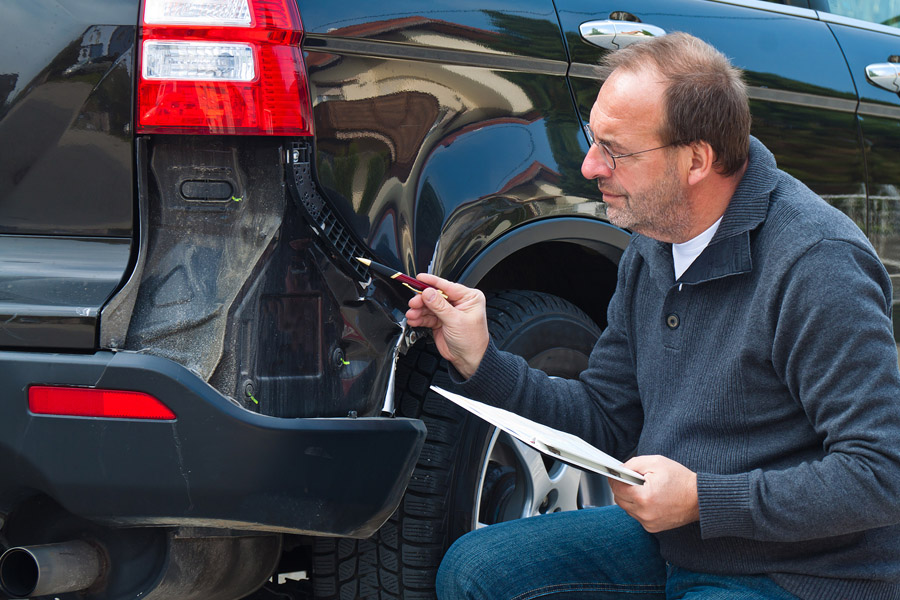
People acquire evidence first and quickest using photos. Their potency comes from preserving details that memory flattens. Dents are more than just dents when angle, depth, and position demonstrate impact force. When explaining braking distance, a wet road is more than landscape. A scuffed bumper might start a fight.
Good images go beyond automobile damage close-ups. Wider shots important. They illustrate the area, lane layout, traffic signals, skid marks, adjacent barriers, and anything else that may assist recreate the event. If a stop sign was buried under tree branches like a bashful actor, that may matter. It may matter if a pothole was big enough to have its own zip code.
Video can disclose more. Still photos cannot show movement and sequence like short snippets of the scene, traffic flow, or evident dangers. The goal is not to take random photos like an overexcited visitor visiting a monument. Clear, helpful information that tell a story are the aim.
Witnesses Can Be Gold or Pure Confetti
Witnesses often play an important role because they can confirm what neither driver wants to admit. A third party who saw the collision unfold may provide a neutral account of speed, traffic signals, lane changes, or erratic driving behavior.
That said, not all witness statements are equally helpful. Some people saw the whole thing. Some heard a bang and turned around just in time to become passionately confident about half the facts. Human memory is a funny machine. It is sincere, messy, and occasionally held together with string.
Early witness testimonies are particularly valuable when memories are fresh. Names and contact information vital since a fantastic statement is useless if the witness disappears like a highway magician. Consistency counts. When numerous witnesses independently describe the same sequence, their statements are more convincing.
Medical Records Turn Pain Into Proof
Injury claims rise or fall on documentation of harm. A person may genuinely feel awful after a crash, but if there is no medical evaluation, proving the extent and cause of those injuries becomes harder. Delay creates room for doubt, and doubt is the favorite snack of insurance adjusters.
Medical records provide several vital functions. They show treatment start, symptoms, diagnosis, and care. They can also specify and professionally link the injury to the crash. Clinical reports documenting back pain, headaches, disorientation, reduced mobility, and nerve sensations are more convincing than personal memory.
Continued treatment records matter. They show recovery time, symptom improvement, and restrictions. When therapy notes and suggestions reflect the inability to work, sleep, raise a kid, or drive without discomfort, such impacts are more realistic.
Digital Evidence Has Entered the Chat
Modern claims use more electronic proof. Dashcams are the highlights. Video capturing the seconds before impact may settle discussions like a referee blowing a whistle. Speed, lane location, light changes, and driver conduct may be seen, limiting imaginative narrative.
Surveillance footage from nearby businesses, homes, parking lots, or traffic systems can also be incredibly useful. The challenge is timing. Video is often erased automatically after a short period, so identifying and preserving it quickly is essential.
Some instances may involve phone records. Records may reveal if a motorist was texting, phoning, or utilizing data during a vital moment. That doesn’t necessarily show what the individual was doing, but it suggests inattention.
In muddy footwear, social media might enter the situation. Injury claims and timings can be challenged using posts, images, and comments. Someone who claims to be bedridden yet shares trampoline backflip videos may find that the internet has a long memory and a poor sense of pity.
Experts Help Translate the Technical Stuff
Some accidents are simple. Others are tangled enough to make a spaghetti bowl look organized. In more complex cases, expert analysis becomes important.
Accident reconstruction specialists can examine vehicle damage, road marks, impact angles, and motion patterns to explain how the crash likely occurred. They are essentially puzzle solvers with physics. Their work can help clarify issues that eyewitnesses missed or misunderstood.
Medical professionals can also describe injuries, treatment, long-term limits, and if reported symptoms are related to the incident. When injuries are hidden, this is crucial. Due to their lack of warning symptoms, soft tissue injuries, head trauma, and persistent pain require explanation.
Economic or vocational experts may also appear in more substantial claims. If the injury affects earning ability, job performance, or future employment options, these professionals can help quantify those losses in a way that moves beyond guesswork.
Organization Is Boring but Extremely Powerful
Evidence is only useful if it can be found, understood, and connected. Chaos is charming in cartoons. In an injury claim, chaos is a menace.
Accident scene photos, medical records, repair estimates, bills, witness information, employment records, correspondence logs, and crucial dates can be included in a well-organized case file. This standardizes timelines. It reduces conflicts, omissions, and confusion.
Maintaining records may seem like the legal equivalent of eating simple bread, but it matters. Claims with nicely organized evidence are easy to examine and difficult to dismiss. Clear facts provide credence to the case. When papers disperse like frightened birds, the process slows and weakens.
Common Mistakes That Quietly Damage Claims
One major mistake is assuming minor pain will simply go away and does not need documentation. Sometimes it does go away. Sometimes it settles in like an uninvited houseguest and starts rearranging the furniture. Waiting too long to seek care can make the injury harder to tie to the crash.
Another mistake is giving inconsistent statements. Small differences can happen naturally, but major contradictions about speed, location, symptoms, or timing can damage trust. Precision matters.
Some overlook the necessity of keeping receipts, appointment records, and work-related losses. When combined together, little expenses might be significant. Damages include medical mileage, prescriptions, treatment, and lost income.
Finally, some people speak too casually about the accident in texts, posts, or recorded calls. Offhand comments can be misunderstood or used out of context. A joke made on a stressful day can later look like an admission. That is not funny at all, even if it was meant to be.
FAQ
What kind of evidence is usually most persuasive in a car accident injury claim?
The strongest claims usually rely on several types of evidence working together. Photos, medical records, witness statements, official reports, and video footage often become most persuasive when they all support the same version of events.
Why is prompt medical treatment so important after a crash?
Prompt treatment creates a clear record of injuries and shows that symptoms appeared close in time to the accident. It also helps connect the harm to the collision instead of leaving room for arguments about unrelated causes.
Can a person still have a valid claim without witnesses?
Yes, a claim can still be valid without witnesses. Other evidence such as vehicle damage, scene photos, surveillance footage, medical documentation, and expert analysis can still establish what happened and how the injuries occurred.
How can social media affect an injury case?
Social media posts can be reviewed to challenge statements about injuries, physical limitations, or daily activities. Even innocent posts may be misread, so public content can sometimes complicate a claim.
Do minor details at the accident scene really matter?
They often do. Road signs, weather, lighting, debris, skid marks, and lane markings can all help explain how the collision happened. What seems minor at first can become important when liability is disputed.
When are expert opinions needed in a case?
Experts are most useful when the accident is complex, the injuries are medically complicated, or the financial losses are substantial. They help explain technical issues in a clear way and can strengthen parts of the claim that are harder to prove through ordinary records alone.