Doug Stevenson is a construction executive and homeowners’ representative based in Carlisle, Massachusetts, whose career spans more than three decades in New England’s residential construction industry. Known throughout the region for his operational expertise, Doug Stevenson has built a reputation for delivering high-end custom homes, leading high-performing teams, and providing trusted consulting services to homeowners navigating complex residential and commercial projects. He currently serves as president of RBS Limited LLC, where he advises property owners on contractor selection, budgeting, scheduling, and quality assurance throughout every stage of construction. Earlier in his career, he worked as a design engineer with Panorama Products and later coordinated the construction of large custom residences as a project manager with Estabrook Holdings. Away from the job site, Stevenson enjoys kayaking, sailing, running, and genealogy research, interests that reflect the same discipline and attention to detail that define his professional work.
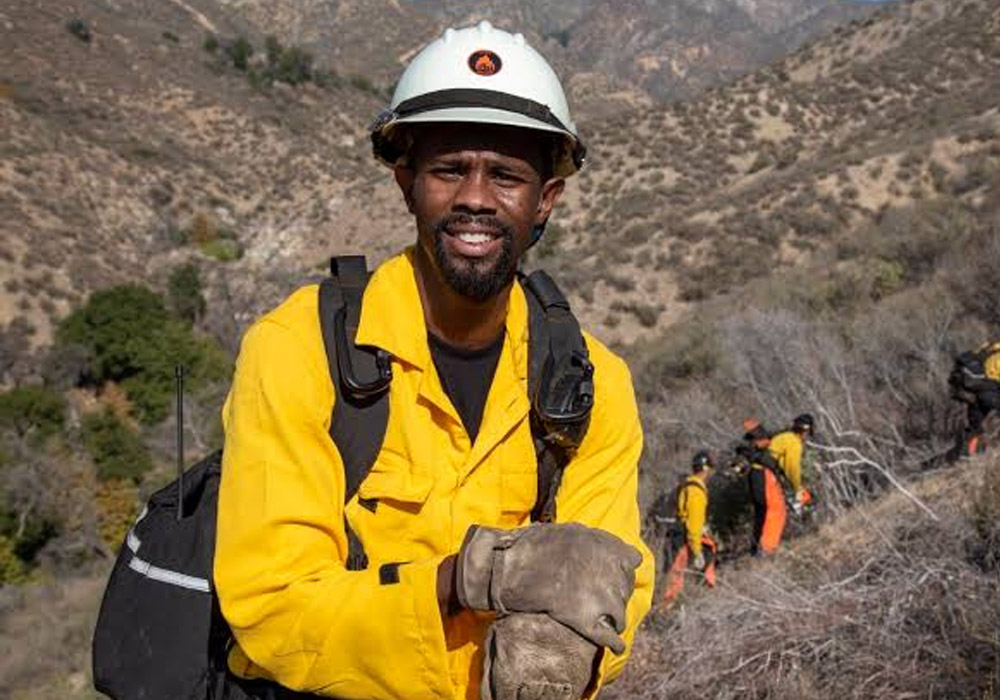
A career in firefighting involves far more than responding to fires. Firefighters protect lives and property while handling emergencies and supporting public safety. The job presents many challenges, but it also offers a strong sense of purpose and fulfilment, making it rewarding for those committed to helping others.
One of the most meaningful aspects of firefighting is the opportunity to serve the local community. Many communities rely on firefighters to respond to fires and other emergencies, making their role essential to public safety. Volunteer firefighters, in particular, dedicate their time to helping others and become active members of their communities.
The work requires commitment, leadership, physical endurance, and emotional resilience, but it also provides the satisfaction of protecting lives and property. Firefighters respond to fires, reducing damage to homes, businesses, and personal belongings while helping prevent flames from spreading to nearby structures.
The profession is built on teamwork. Firefighters work closely with their crews during emergency responses and share daily responsibilities at the fire station, creating an environment of trust, cooperation, and mutual support. These working relationships often develop into lasting friendships while helping teams perform effectively under pressure.
Firefighting provides regular opportunities to interact with people from all walks of life. During emergencies, firefighters communicate with community members, listen to their concerns, offer reassurance in stressful situations, and share important information with medical personnel when needed.
Firefighters must possess strong leadership skills. For example, they must make timely decisions under pressure, guide civilians to safety, and work confidently alongside their crews. The role also encourages an active lifestyle, as firefighters need the strength and endurance to handle physically demanding tasks.
Ongoing fitness training helps them stay prepared for responsibilities such as carrying heavy equipment, climbing stairs, and performing other challenging duties during emergency responses. Firefighting encourages strong teamwork and discipline because firefighters rely on one another to respond safely and effectively during emergencies.
Clear communication, established procedures, and mutual trust help crews work together to protect the public and each other. Firefighters also learn to operate and maintain specialized equipment, such as fire engines, pumps, and other emergency response tools, ensuring they are ready to perform when called into action.
Fire departments often provide benefits that support the health, financial well-being, and long-term security of their firefighters. Depending on the department, these benefits may include health insurance, retirement plans, and disability coverage to help protect firefighters and their families. Although the specific benefits vary by employer and location, many fire departments offer packages designed to support firefighters while they serve their communities and plan for the future.
Many fire departments offer competitive compensation that reflects the demands of the profession. Salaries vary based on factors such as experience, location, and the employing department, with opportunities to earn additional income through overtime and, in some cases, hazardous duty pay.
Firefighting can provide a meaningful career built on service, teamwork, leadership, and personal growth. Depending on the position and department, it may offer competitive compensation, valuable benefits, and long-term career stability. The profession demands dedication, physical fitness, and resilience. Many firefighters find that the opportunity to protect their communities and make a positive difference is one of the most rewarding aspects of the job.
About Doug Stevenson
Doug Stevenson is a construction executive based in Carlisle, Massachusetts, with more than three decades of experience in New England’s residential construction industry. He currently serves as president of RBS Limited LLC, advising homeowners and property owners on contractor selection, budgeting, scheduling, and quality assurance. Earlier in his career, he worked as a design engineer and project manager, coordinating the construction of large custom residences. Outside of work, Stevenson enjoys kayaking, sailing, running, and genealogy research.