After a collision, the strongest car accident claim is usually built from clear, timely evidence rather than memory alone. Safety and medical needs should always come first, but once everyone is out of immediate danger, preserving accurate information can make it easier to explain what happened. For guidance about accident-related legal concerns, some people consult resources such as quinnlawyers.com.
Evidence may help show how the crash occurred, who was involved, the extent of vehicle damage, and how injuries affected daily life. Each case is different, and no single item automatically establishes fault. Still, organized records can help an insurer, attorney, or court evaluate the facts more clearly.
Evidence From The First Few Minutes
The moments after a crash can be confusing. Check for injuries, move away from traffic or other hazards if it is safe to do so, turn on hazard lights, and call emergency services when needed. Avoid arguing with the other driver or guessing about speed, distance, or fault. A brief factual account is generally more reliable than a statement made under stress.
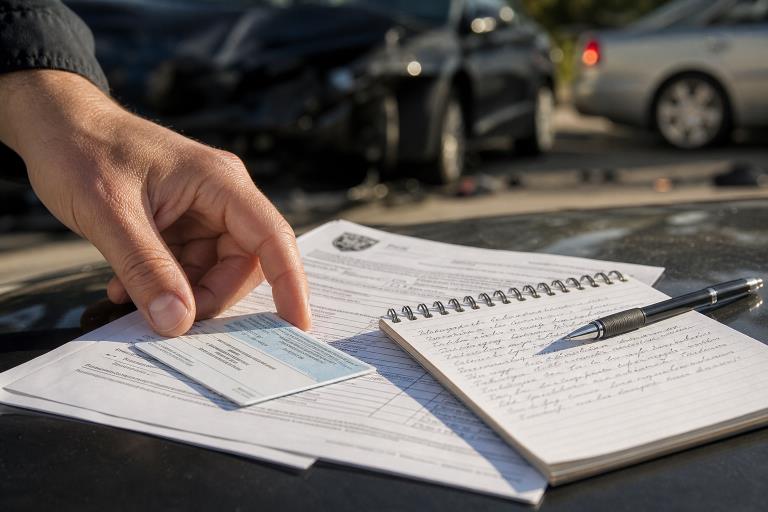
Exchange basic identifying and insurance information with the other driver when possible. Note the date, time, exact location, direction of travel, and weather conditions while they are still fresh in your mind. These early notes can later support or clarify other evidence.
Police Reports And Emergency Records
Calling 911 may be appropriate when someone is injured, vehicles are creating a traffic hazard, there is a fire or fuel leak, road conditions are unsafe, or a driver has left the scene. Responding officers may prepare a report, and emergency personnel may create medical records. Those documents can preserve details that may be difficult to reconstruct later.
Ask for the incident number and the name of the agency that investigated the collision. A police report is not necessarily the final word on fault, but it may identify involved parties, witnesses, vehicle information, and the officer’s observations.
Photographs And Videos From The Scene
Scene photographs often provide useful context that may disappear quickly. If it is safe and does not interfere with emergency responders, take wide and close-up images of both vehicles, visible damage, license plates, traffic signals, road signs, lane markings, debris, skid marks, and the surrounding area.
It can also help to photograph the positions of vehicles before they are moved, provided it is safe to do so. Record visible injuries when appropriate, and avoid posting accident photos or detailed comments publicly. Social media posts can be misunderstood when viewed without context.
Witness Statements And Camera Footage
Independent witnesses can be valuable because they may have seen the collision from a different perspective. Ask witnesses for their names, phone numbers, and email addresses. If they are willing, write down a short summary of what they observed, using their own words rather than suggesting what they should say.
Nearby homes, businesses, intersections, and parking areas may have security cameras. Ask promptly whether footage exists, because recording systems may overwrite older video. Preserve any dashcam footage in its original format and make a backup before sharing a copy with an insurer.
Medical Evidence And Delayed Symptoms
Some symptoms may not be obvious immediately after a collision. Pain, headaches, dizziness, stiffness, sleep problems, or difficulty concentrating can emerge later. Seek medical attention when symptoms appear or when emergency personnel recommend an evaluation, and describe symptoms accurately to the medical provider.
Medical records, treatment plans, prescription receipts, and follow-up notes may help document the nature of an injury and its progression. A simple daily journal can also be useful. Include pain levels, medication use, missed work, appointments, sleep disruptions, and activities that have become difficult.
Digital Records To Preserve
Modern accident evidence can include more than paper documents. Save the original versions of photos and videos, dashcam files, relevant text messages, call logs, location data, and ride-share or navigation records. Avoid filters, crops, edits, or file-name changes unless an untouched original is retained.
Store copies in a secure cloud account, external drive, or dedicated email folder. Keep digital records organized by date so that it is easier to show what was created at the time of the crash and what was collected afterward.
Financial Records And Property Damage
Property damage and out-of-pocket costs may also be relevant. Keep repair estimates, towing invoices, storage charges, rental-car receipts, photos of damaged property, and receipts for items affected by the collision. Do not discard or repair important damaged items before they have been photographed and, when necessary, inspected.
Create both a physical and digital crash file containing medical bills, insurance letters, claim numbers, employer records for missed work, transportation costs for medical visits, witness details, and all photos or videos. Consistent recordkeeping can prevent small but important details from being lost.
Insurance Communications
Report the accident to your insurer as required by your policy, but provide accurate facts without speculation or exaggeration. Reporting a collision does not mean agreeing with another person’s account of fault. Keep a log of each call, including the date, the adjuster’s name, the claim number, and documents requested.
Read forms carefully before signing them. It may be wise to wait until the medical picture and property damage are understood before accepting a settlement that resolves the entire claim.
State Crash Reports And Legal Guidance
Crash-report procedures differ by state and by the agency that investigated the collision. For example, people involved in incidents investigated by state police can request a Pennsylvania vehicle crash report through the Commonwealth’s process. New Jersey drivers can review crash record options through the New Jersey crash records portal.
Legal guidance may be helpful when injuries are serious or lasting, fault is disputed, multiple vehicles are involved, or the crash concerns a commercial truck, rideshare vehicle, government vehicle, major lost income, or a death. Case-specific deadlines and insurance obligations can vary, so timely advice may be important.
Frequently Asked Questions
Should A Driver Move The Vehicle After A Crash?
Safety comes first. Move a vehicle only when doing so is safe, reduces the risk of another collision, and complies with instructions from law enforcement or emergency personnel.
What Information Should Drivers Exchange?
Exchange names, contact details, driver’s license information, insurance information, vehicle details, and the names of responding agencies. Gather witness contact information separately.
How Long Should Crash Records Be Kept?
Keep records until insurance claims, vehicle repairs, medical treatment, and any related disputes are fully resolved. Do not delete digital files simply because the visible damage appears minor.