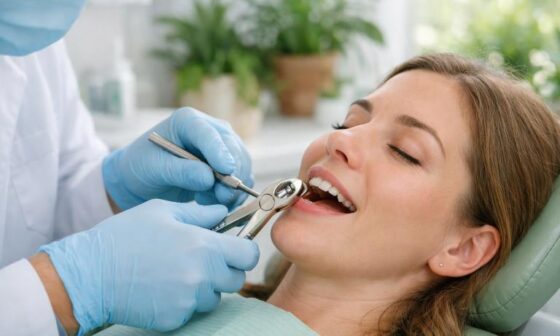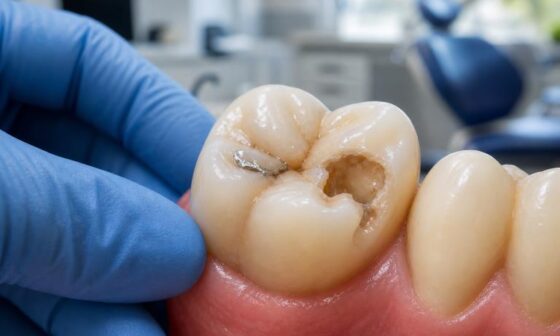
A chipped edge, a small crack, uneven tooth shape, or stubborn discoloration can make it difficult to feel comfortable sharing your smile. Patients looking for tooth bonding Delaware OH, can visit North Orange Family Dentistry for an evaluation and a personalized recommendation based on the condition of their tooth.
Tooth bonding uses a tooth-colored composite resin to improve selected cosmetic concerns and restore small areas of lost tooth structure. It can be a conservative option when the tooth is otherwise healthy, but an examination is important before deciding whether bonding is the right solution.
Can Tooth Bonding Repair a Chipped Tooth Quickly?
For a small chip or minor shape concern, bonding may offer an efficient way to rebuild and smooth the visible area of a tooth. The dentist evaluates the damaged tooth, the surrounding teeth, the bite, and any symptoms before treatment. This helps identify whether the concern is limited to appearance or involves a structural issue that needs more protection.
During a bonding appointment, the resin is selected to blend with the natural tooth color, placed on the tooth, shaped carefully, hardened with a curing light, and polished. The goal is a smooth result that fits comfortably with the bite and looks balanced with the rest of the smile.
Why Choose North Orange Family Dentistry for Tooth Bonding?
Patients can contact North Orange Family Dentistry to discuss a chipped, worn, discolored, or uneven tooth with a dental team that can consider both cosmetic goals and oral health. An evaluation helps determine whether composite bonding is appropriate or whether another restorative option would better support the tooth.
Bonding can be appealing because it generally requires less preparation than treatments that cover more of the tooth. North Orange Family Dentistry describes the process as typically taking 30 to 60 minutes per tooth, rarely requiring anesthesia, and usually allowing patients to return to normal daily activities after the visit.
What Tooth Problems Can Bonding Address?
Dental bonding is not a one-size-fits-all treatment, but it may be useful for several common concerns when the tooth has enough healthy structure, and the bite is suitable.
- Small chips: Composite resin may rebuild a lost corner or smooth a rough edge on a front tooth.
- Minor cracks or fractures: A superficial concern may be evaluated for bonding, while a deep or painful crack needs more careful assessment.
- Small spaces: Bonding may add width or reshape teeth to reduce the appearance of a modest gap.
- Uneven edges: Resin can help create a more even contour when one tooth appears shorter, worn, or irregular.
- Selected discoloration: Bonding may cover localized areas of color change that do not respond to whitening as expected.
Decay must be addressed before a cosmetic repair is completed. As the National Institute of Dental and Craniofacial Research explains, tooth decay can cause pain, infection, and tooth loss when left untreated, which is why examining the underlying tooth matters as much as improving its appearance.
What Happens During Tooth Bonding?
- Examination and planning: The dentist reviews the tooth, gum health, bite, and any symptoms.
- Shade selection: A resin color is chosen to blend with nearby natural teeth.
- Surface preparation: The tooth is lightly prepared, and a bonding agent is applied to enhance resin adhesion.
- Placement and shaping: Composite resin is applied, molded, and smoothed to restore the desired shape.
- Curing and finishing: A bright curing light hardens the material, followed by final trimming, bite adjustment, and polishing.
Appointment time varies according to the number of teeth involved and the extent of the repair. Patients should mention any pain, sensitivity, recent injury, or difficulty chewing when scheduling, as these details may affect the treatment plan.
How Does Bonding Compare With Veneers and Crowns?
North Orange Family Dentistry may discuss bonding alongside other options when a patient wants to improve a tooth’s appearance or strength. The best choice depends on how much healthy tooth structure remains and the forces placed on the tooth.
- Tooth bonding: Often considered for smaller chips, shape changes, gaps, and localized cosmetic concerns. Preparation is generally limited.
- Porcelain veneers: May be considered for broader changes to the visible front surface of a tooth. Veneers typically require more tooth preparation than bonding.
- Dental crowns: May provide more complete coverage when a tooth has extensive damage, major decay, or a large area that needs protection.
Cracked teeth deserve individualized attention. Research from clinical studies on cracked tooth diagnosis and treatment found that symptoms, decay, and evidence of a crack influenced dentists’ recommendations. That does not mean every crack needs the same restoration, but it reinforces the value of a professional examination.
Who May Be a Candidate for Bonding?
Bonding may be worth discussing when a patient has a stable tooth with a small chip, minor cosmetic irregularity, modest gap, or localized discoloration. Good candidates generally understand that composite resin can require maintenance over time and should be protected from unnecessary biting forces.
Another treatment may be recommended if there is severe or lingering sensitivity, a deep crack, active decay, a large missing portion of the tooth, or frequent grinding and clenching. In those situations, protecting the tooth’s health and function takes precedence over cosmetic changes.
How Can Patients Protect Bonded Teeth?
After bonding, patients should brush twice daily with fluoride toothpaste, clean between teeth daily, and attend regular dental visits. North Orange Family Dentistry also recommends avoiding hard foods and candy, avoiding nail biting, and limiting coffee, tea, and tobacco during the first two days to reduce early staining.
Contact the office if the bonded area feels sharp, rough, loose, uncomfortable, or different when biting. Prompt attention can help the dentist evaluate the restoration and make adjustments when needed.
Frequently Asked Questions
Does tooth bonding look natural?
Composite resin is tooth-colored and can be selected to blend with surrounding teeth. The final appearance depends on the tooth’s natural shade, the size of the repair, and the treatment plan.
Is tooth bonding painful?
Bonding is relatively painless for many patients and often does not require anesthesia. Some temporary sensitivity to hot or cold may occur, depending on the tooth’s location and condition.
Can bonding repair every cracked tooth?
No. Bonding may help with minor cracks or chips, but deep cracks, pain, decay, and substantial structural damage may require a different type of restoration.
Can bonded teeth become stained?
Composite resin can discolor over time. Consistent brushing, flossing, professional cleanings, and limiting stain-causing habits can help maintain the appearance of the bonded area.
Schedule a Tooth Bonding Evaluation in Delaware, OH
For patients concerned about a chipped, cracked, discolored, or uneven tooth, an evaluation at North Orange Family Dentistry can clarify whether tooth bonding is a suitable option. A personalized examination helps ensure the treatment supports both a natural-looking smile and the long-term health of the tooth.