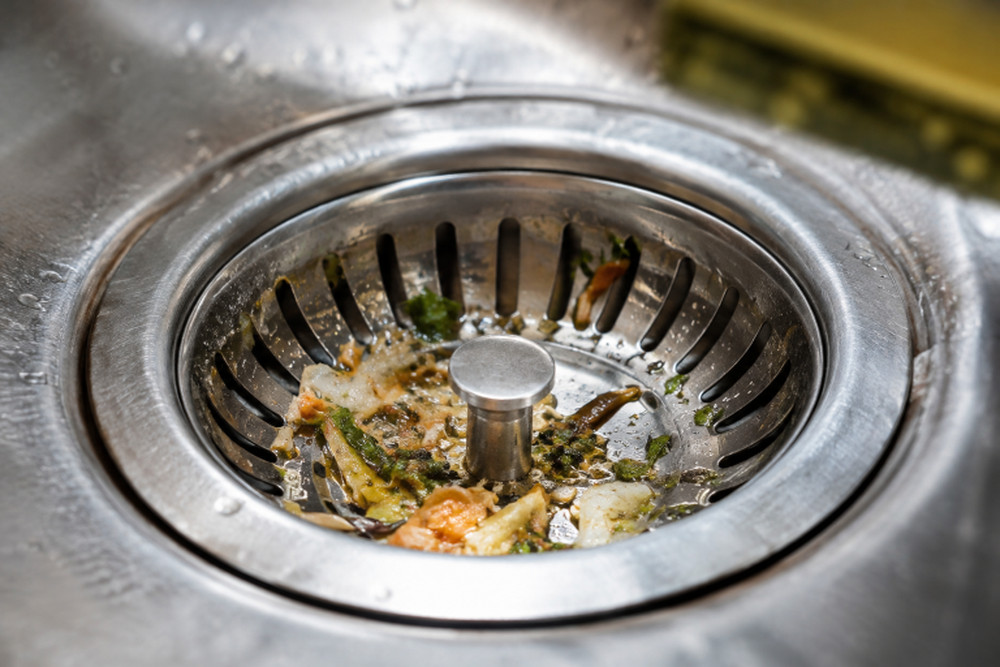
Keeping drains clear is one of the simplest ways Wake Forest homeowners can avoid messy interruptions, unpleasant odors, and water damage. From busy kitchen cleanups to bathrooms handling daily showers, small amounts of debris can gradually collect inside household plumbing until water no longer moves as it should.
Consistent habits can prevent many minor clogs from becoming urgent repairs. When a sink, tub, or toilet starts showing persistent warning signs, arranging Drain cleaning in Wake Forest can help determine whether the issue is near the fixture or deeper in the home’s plumbing system.
Why Household Drains Clog
Most clogs do not happen all at once. Hair, soap residue, food scraps, cooking grease, paper products, and small objects can stick to pipe walls or catch on existing buildup. A drain may seem normal for weeks while the opening inside the pipe becomes gradually narrower.
A single slow shower often indicates hair or soap buildup near the drain. In contrast, several slow fixtures, gurgling sounds, or water appearing in a tub when another fixture is used may indicate a problem farther along the drain line. Repeated backups can also be associated with damaged piping, root intrusion, or restricted flow in a main line.
Daily Habits That Reduce Blockages
Drain maintenance does not need to be complicated. A few routine choices can keep waste out of plumbing and make early problems easier to notice.
- Use screens in showers, tubs, and bathroom sinks to catch hair.
- Empty collected debris into the trash instead of rinsing it down the drain.
- Keep small toys, caps, and other loose items away from toilets and open drains.
- Scrape plates before washing them, even when a garbage disposal is available.
- Watch for changes in draining speed, bubbling, or unfamiliar odors.
- Keep a simple drain-care reminder near the kitchen sink for everyone in the household.
Kitchen Drain Care
Kitchen sinks handle more clog-causing materials than most other fixtures. Fats, oils, and grease can cool and cling to plumbing, especially after they travel beyond the sink. Let grease cool in a heat-safe container, seal it, and place it in the trash rather than pouring it into the drain.
Use a sink strainer to capture food particles, and empty it regularly. Hot water can make grease appear to disappear, but it may simply move farther down the pipe before it cools. If using a garbage disposal, feed small amounts at a time, use cold water during operation, and avoid treating it as a place for large quantities of food waste.
Bathroom Drain Care
Bathroom drains commonly collect hair, soap scum, toothpaste residue, and other items that were never meant to enter the plumbing. Hair catchers are inexpensive and especially helpful in homes where several people use the same shower or tub.
Only human waste and toilet paper belong in a toilet. Wipes, cotton products, dental floss, paper towels, and hygiene items can cause trouble even when the packaging suggests they are flushable. Materials that do not break down reliably can contribute to blockages and sewer-system problems discussed in the EPA sewer backup guidance.
Clean visible hair from stoppers and screens before water begins pooling. Also check around toilet bases, tubs, and shower edges for unexplained moisture, since leaks and drainage issues are easier to address when caught early.
Safe DIY Steps for a Slow Drain
For a minor, reachable clog, begin with the least invasive method. Stop if wastewater rises, a fixture backs up repeatedly, or you suspect a deeper obstruction.
- Remove standing water when possible.
- Take out and clean the stopper, screen, or visible hair catcher.
- Use a plunger designed for the fixture.
- Cover a sink or tub overflow opening before plunging.
- Clean the removable trap under a sink if it is accessible and safe to remove.
- Use a hand-operated drain snake only for a clog that appears close to the fixture.
- Run water slowly after clearing the drain, and watch for any further backup.
These steps are best for small clogs near the drain opening. They will not repair a broken pipe, remove roots from a sewer line, or resolve a recurring blockage farther from the fixture.
Why Chemical Drain Cleaners Need Care
Chemical drain cleaners can create safety concerns for people handling the product and for anyone who later opens a trap or works on the piping. Never mix a drain cleaner with bleach, ammonia, acids, or another cleaning product. Follow the label exactly, and tell a plumbing professional if chemicals were used in the affected drain.
Some leftover household products are corrosive, toxic, reactive, or otherwise unsafe to pour down the drain. The EPA’s guidance on handling household hazardous waste recommends following product labels and checking local disposal options rather than combining leftover chemicals.
Warning Signs of a Larger Problem
- More than one sink, tub, or toilet drains slowly at the same time.
- Water rises in a shower or tub when a toilet is flushed.
- Drains make repeated gurgling sounds.
- Sewage-like odors return after cleaning.
- A toilet overflows without an obvious cause.
- A drain improves briefly, then slows again.
- Water appears near a cleanout, basement floor drain, or outside sewer connection.
These signs deserve prompt attention. The EPA identifies blockages as a possible cause of sanitary sewer overflows and estimates that tens of thousands of such overflows occur in the United States each year.
When to Call a Professional
Call a professional when multiple fixtures are affected, sewage backs up into the home, or the same clog keeps recurring. Limit water use if wastewater is rising, since running faucets, flushing toilets, or starting appliances can make a backup worse.
A deeper diagnosis may require specialized equipment, such as a drain camera, mechanical cleaning equipment, or water jetting. Ask not only whether the drain was cleared, but also what caused the restriction and what steps can reduce the chance of another backup.
A Simple Drain Prevention Plan
- Every day: Keep grease, wipes, and foreign objects out of drains and toilets.
- Every week: Empty drain screens and check for slower-than-normal flow.
- Each month: Look under sinks for moisture, stains, or unusual odors.
- After a backup: Note which fixtures were affected and whether the problem returns.
- When problems repeat: Schedule a deeper inspection instead of relying on temporary fixes.
Conclusion
Clear drains depend on everyday disposal habits, quick attention to slow flow, and a careful response when warning signs appear. A simple screen, regular checks, and timely professional help can keep small Wake Forest plumbing problems from becoming larger disruptions.