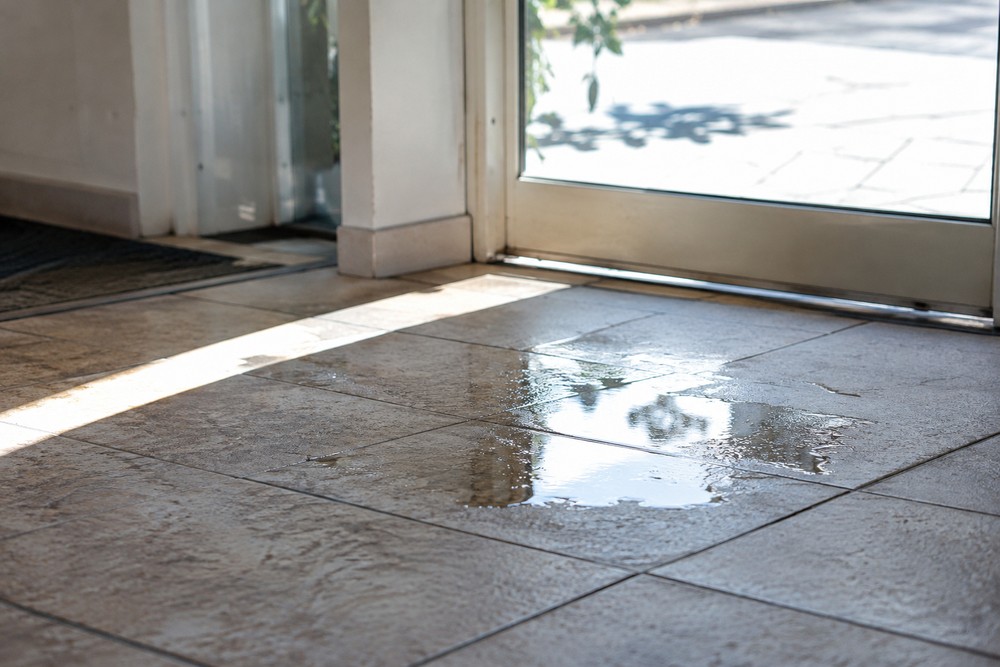
Premises liability claims remain an important area of tort law in the US. Over forty-eight thousand people lost their lives to unintentional falls in 2024, according to data from the Centers for Disease Control and Prevention (CDC). The National Safety Council (NSC) estimates that in 2023, more than 8.8 million individuals visited hospital emergency departments due to falls resulting in injuries.
A premises liability claim generally requires proof that a property owner, or the management company responsible for the maintenance of the premises, was negligent. The proof must further show that this negligence caused an injury.
To succeed with premises liability lawsuits, the victim needs to show that there was some danger on the premises. Under premises liability law, it is required that the liable party have some knowledge about the hazard present on the property. It would then need to be proven that nothing was done to fix or eliminate the danger. There also needs to be proof that visitors weren’t informed about the hazard. Proof can come in the form of hospital documents, video recordings, photographs, and testimonies.
Evidence can be used in court as a means of substantiating a claim. Different states have different requirements and standards of evidence, so injured individuals should learn as much as possible about it to best serve their cases.
Here’s a look at how to prove a premises liability claim in the United States.
What a claimant generally has to show
Is there a dangerous situation? Was the owner or possessor aware of the hazard, or should they have been? These questions address the first two of the four main issues that define the basic allegations made in many legal actions for injury or losses suffered as a result of negligence in property maintenance.
If so, the owner or possessor may be found negligent for failing to repair the hazard or warn others of it. The plaintiff must also show that the danger caused the injuries or losses suffered.
A good example of such standards is the California jury instructions on unsafe conditions on property. They ask if the defendant either knew or had any reason to believe that a danger existed. Each state has its own variations and its own wording for these laws.
Because state laws differ in the legal duty owed to visitors, similar accidents may have different outcomes in different states.
Evidence that tends to matter
A case can be won or lost on the basis of physical evidence or documentary evidence, especially in cases where the issue is whether the owner was aware of the situation or not.
In these situations, the investigator relies on anything they can find, including incident logs and reports, weather and surveillance video, and eyewitnesses.
Securing the medical records is also necessary in the evidence-gathering stage of a case. Gathering and verifying evidence quickly after the incident preserves its quality.
Different premises liability laws exist in different states, and the situations under which an owner of a property may be held legally liable for the injury of visitors depend on the particular law of that state. In California, these laws focus on the property owner’s responsibility to maintain a safe environment.
Showing the owner had notice
One of the challenging parts of a premises liability claim is establishing notice. Actual notice occurs when an owner or employee becomes aware of a situation. For instance, a previous complaint or a request to repair can provide notice.
Constructive notice usually requires that a hazard existed long enough for a reasonable owner to have discovered it, and it is only as strong as the evidence supporting it. Reports of other related incidents can also provide notice aside from the original document that provided notice. To truly understand an issue, an understanding of the reports, the chronology of previous complaints, and any supplementary constructive notice documentation is paramount.
Neglecting inspections can create claim exposure, as failing to inspect may support a finding of constructive notice.
Why animal injuries raise their own questions
Depending on the facts, a dog bite injury can result in different types of personal injury lawsuits. Dog bite liability can involve complex issues. For example, did the victim suffer an unprovoked attack by the dog on the owner’s property, or was there some justification for the bite such as a trespass on another person’s property? Many issues can be addressed when analyzing dog bite injuries.
In North Carolina, the first things examined in dog bite cases are whether the owner of the dog was aware that their dog was potentially dangerous and whether the dog was being controlled properly. This process is most easily done by consulting with a Raleigh dog bite lawyer.
The best information to have for dog bite lawsuits is statements from eyewitnesses to the dog bite, animal control reports, vaccination records, licensing records, and before/after photos of the wound healing process.
Thoroughly record dog bites, as treatment may still be required later due to infections and permanent scarring.
Practical takeaways
Document organization is critical when filing and protecting premises liability claims. Claims in most states have strict filing deadlines. Organizing and documenting evidence should be a priority sooner rather than later.
Property owners and managers have even more to lose. Keeping logbooks of property activities as well as addressing repair needs quickly can help show reasonable care.