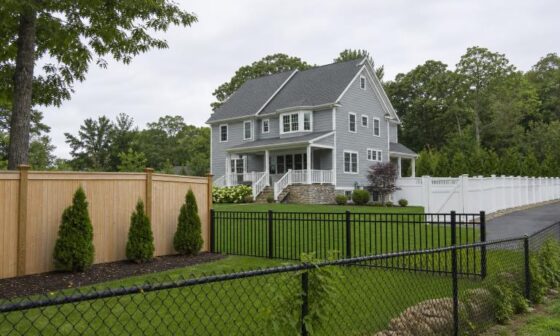
Retirement housing is about much more than finding a smaller home or changing your address. The best choice supports the way you want to spend your time, whether that means traveling, gardening, hosting family, pursuing hobbies, or simply leaving major home repairs behind. For example, The Villas is a locally owned Wichita-area retirement housing provider focused on low-maintenance, fully independent living. With communities serving areas including Bel Aire and west Wichita, it offers a useful real-world example of how private residences, shared amenities, and reduced upkeep can work together for people who want more freedom in retirement.
Start by picturing an ordinary Tuesday in your new home. Think about where you will park, how far you will walk to get inside, whether you can comfortably prepare meals, and how easily friends or family can visit. A home with less square footage is not automatically a better fit. The right option is one that matches your routines, budget, comfort, and likely needs over the next several years.
1. Set A Realistic Housing Budget
Do not compare properties using only the advertised rent, mortgage payment, or purchase price. Build a monthly estimate that includes:
- Rent or mortgage payments
- Property taxes, insurance, and association or community fees
- Utilities, internet, and phone service
- Repairs, appliance replacement, lawn care, and snow removal
- Transportation, prescriptions, and healthcare expenses
- Moving, storage, home-sale, and furnishing costs
For example, a larger home may have a lower mortgage payment than a retirement rental, but it may also require $300 per month for lawn care, repairs, insurance differences, and seasonal maintenance. A smaller low-maintenance residence with a higher monthly payment could be easier to predict and manage. Leave room in every plan for inflation, travel, gifts, emergencies, and changing health needs.
2. Compare Ownership, Renting, And Community Living
Buying a home can build equity and allow more control over changes to the property, but it also leaves you responsible for repairs, taxes, insurance, and exterior work. Renting may offer flexibility and fewer surprise repair bills, although lease renewal rules and rent increases deserve careful review.
Independent-living communities can combine a private residence with maintenance services, walking paths, clubhouses, or planned activities. Ask for an itemized list of what is included. A fee that appears high may cover services you would otherwise pay for separately. Conversely, a lower fee may exclude important items such as appliance service, landscaping, parking, or snow removal.
3. Choose A Layout That Supports Daily Life
Bedroom count matters less than how the home functions. Look for single-level living, wide clear pathways, strong lighting, easy-to-reach storage, practical kitchen work areas, and attached or nearby parking. Low-threshold showers, lever-style handles, and minimal steps can make a home easier to use without making it feel clinical.
A thoughtful layout can also make a smaller residence feel comfortable rather than restrictive. Measure large furniture, favorite artwork, hobby supplies, and storage needs before committing. Consider where guests will sleep and whether there is enough space for a desk, exercise equipment, pets, or other parts of your everyday life. For additional ideas about planning for safe, independent living, the National Institute on Aging offers guidance on aging in place and reassessing a home as needs change.
4. Confirm What “Low Maintenance” Means
Low maintenance can mean very different things from one property to another. It may include landscaping, lawn mowing, snow removal, exterior repairs, common-area care, and maintenance of major systems. It may not include interior repairs, lightbulbs, pest treatment, appliance replacement, or damage caused by residents.
Request the maintenance policy in writing. Ask who receives repair requests, how emergencies are handled after hours, what response times are typical, and whether there are charges for work outside the standard agreement. Clear answers now can prevent frustration later.
5. Review The Location Beyond The Property Line
A beautiful home can become inconvenient if essential services are difficult to reach. Check realistic travel times to primary and specialty care, pharmacies, grocery stores, restaurants, places of worship, parks, libraries, and the homes of close friends or family. If driving becomes less appealing in the future, look into transportation options as well.
Visit more than once a day. Notice traffic, noise, parking, street lighting, and the ease of entering and leaving the neighborhood. A quiet setting with convenient access to everyday needs often provides a better balance than a remote location with limited services.
6. Consider Community Life And Privacy
Social connection can be as important as finishes and floor plans. Explore common spaces such as clubhouses, fitness rooms, gardens, meeting areas, and outdoor paths. Find out whether activities are organized by staff, residents, or both. Attend an event or spend time in a shared area during a visit if possible.
The goal is not to choose the busiest community. It is to find a setting where opportunities for connection are available without pressure to participate. Ask current residents what they enjoy, what they wish they had known before moving, and how easy it is to meet neighbors.
7. Plan For Future Comfort Without Overbuying Care
Independent living generally suits people who manage daily tasks but want fewer home responsibilities. Assisted living provides more hands-on help with personal care and daily routines. Continuing-care settings may offer multiple levels of support in one broader community. Consider what could change over the next five to ten years, including mobility, transportation, and health needs.
Ask every provider what happens if your needs change. Is there a transfer process, a nearby care partner, or flexibility to add services? A visit checklist can keep comparisons objective. The U.S. Department of Housing and Urban Development also recommends researching housing arrangements, affordability, and available assistance before making a decision through its senior housing information resources.
8. Research The Management Team And Agreement
Review the property manager or developer’s communication style, maintenance process, resident feedback, and experience. Determine whether staff are available on-site, who handles emergencies, and how concerns are escalated. Then read the lease or purchase agreement closely, including renewal terms, cancellation rules, insurance responsibilities, guest policies, pet policies, vehicle rules, and move-out requirements.
9. Questions To Ask Before Signing
- What is included in the monthly payment, and what costs are separate?
- Which interior and exterior repairs are covered?
- Can fees increase, and how much advance notice is required?
- Who handles lawn care, snow removal, and landscaping?
- Are pets, overnight guests, and home modifications allowed?
- Is parking included and convenient to the residence?
- How quickly are maintenance requests normally addressed?
- What happens if more support is needed later?
- Are there transfer, move-out, or cancellation fees?
- Can a family member, attorney, or financial advisor review the agreement first?
10. Tour With A Simple Scorecard
After each tour, rate the property from one to five for monthly cost, layout, maintenance coverage, location, healthcare access, accessibility, community atmosphere, pet and guest policies, and future flexibility. Write down your impressions immediately, then return for a second visit before making a final choice.
Final Checklist Before Moving Forward
- The full monthly cost fits your retirement budget.
- The layout supports comfortable movement and daily routines.
- Maintenance duties and service limits are clearly defined.
- Healthcare, shopping, and important relationships are accessible.
- The community offers the right balance of privacy and connection.
- The agreement has been reviewed carefully before signing.
- The choice remains workable if lifestyle or mobility needs change.
Choosing retirement housing in 2026 should begin with daily life, not a sales presentation. A careful review of costs, upkeep, location, accessibility, community, and future flexibility can make the decision clearer. The strongest choice is usually the one that protects independence while reducing the responsibilities that no longer add value to retirement.