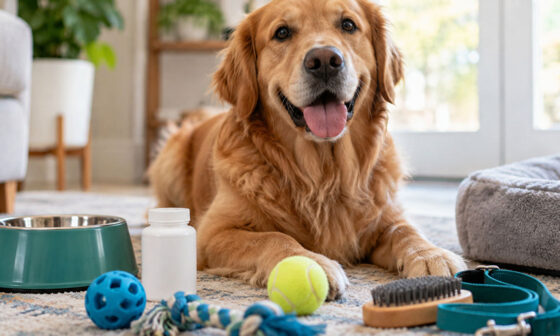
Dogs thrive when they understand what behaviors earn them rewards. Rewarding your dog for good behavior forms the foundation of effective training and strengthens the bond between you and your pet. When you recognize and reinforce positive actions, your dog learns which behaviors are desirable and becomes more likely to repeat them. This approach creates a happier household and a more obedient companion. Understanding the different types of rewards and when to use them makes all the difference in your dog’s training journey.
Understanding Your Dog’s Motivation
Every dog has unique preferences when it comes to rewards. Some dogs go wild for treats, while others prefer an enthusiastic play session or verbal praise. Understanding what truly motivates your individual dog is the first step in effective behavior reinforcement. Spend time observing what gets your dog’s tail wagging the most, whether that is a specific toy, a particular treat, or focused attention from you. What works for your neighbor’s dog may not work for yours, so personalization matters tremendously. By identifying your dog’s strongest motivators, you can make training sessions more effective and enjoyable for both of you.
The Timing of Rewards Matters
Timing is everything when rewarding good behavior. Your dog needs to connect the reward directly with the action you want to encourage, which means rewards should come within seconds of the desired behavior occurring. If you wait too long, your dog may not understand which action earned the treat or praise. For example, if your dog sits politely and you reward them five minutes later, they might think the reward is for something they did more recently. Consistency in timing helps your dog learn faster and retain the training more effectively. Practice rewarding immediately so your dog clearly understands the cause and effect relationship between their behavior and the positive outcome.
Selecting High-Value Treats and Rewards
High-value treats are small, tasty rewards that your dog loves more than ordinary snacks. These special treats should be reserved for training sessions to maintain their appeal and prevent your dog from becoming bored with them. Many dog owners find that meat-based treats like small pieces of chicken or freeze-dried liver work exceptionally well for motivating dogs during training. For owners who want to keep their dogs engaged during longer training sessions, Woof Gang Bakery and Grooming offers natural dog chews as a satisfying reward that keeps dogs focused and motivated between active repetitions. The key is finding what makes your specific dog’s eyes light up and saving those rewards for moments when your dog demonstrates the behaviors you want to encourage. Rotating between different types of treats can also prevent your dog from becoming accustomed to the same reward.
Balancing Treats With Non-Food Rewards
While treats are powerful motivators, incorporating non-food rewards creates a more well-rounded reinforcement system. Some dogs are just as excited about playtime, fetch sessions, or a favorite toy as they are about edible rewards. Verbal praise, petting, and enthusiastic celebration also serve as meaningful rewards for many dogs. Using a mix of reward types prevents your dog from becoming dependent on treats for good behavior and helps them understand that pleasing you is rewarding in multiple ways. This approach also proves practical when you are in situations where you do not have treats available but still want to reinforce positive behavior. Dogs often respond well to your genuine excitement and happiness, making your emotional reaction a powerful reward in itself.
Recognizing Progressive Training Stages
As your dog becomes more reliable with a command or behavior, gradually reducing the frequency of rewards helps establish lasting habits. During the initial learning phase, reward your dog every single time they perform the desired behavior correctly. Once your dog consistently demonstrates the behavior, you can start rewarding intermittently, meaning you reward some correct responses but not every one. This transition to intermittent rewards actually makes behaviors more durable and less dependent on constant reinforcement. For example, if your dog has mastered the sit command, you might reward every third successful sit rather than every one. This gradual shift teaches your dog that good behavior remains worthwhile even when rewards do not follow immediately.
Avoiding Common Reward Mistakes
Many well-intentioned dog owners accidentally undermine their training efforts by making common mistakes with rewards. Rewarding unwanted behaviors, even accidentally, can reinforce exactly what you want to discourage. For instance, if your dog jumps on guests and you react with excited attention, your dog learns that jumping earns engagement. Giving treats for no particular reason weakens the connection between behavior and reward. Inconsistency in what you reward also confuses your dog about which behaviors are actually acceptable. Only reward the specific behaviors you want to encourage, stay consistent with your chosen rewards, and make sure all family members follow the same reward system.
Conclusion
Rewarding your dog for good behavior involves understanding your dog’s unique motivations, timing rewards correctly, and selecting appropriate incentives for your individual pet. By combining treats with non-food rewards, progressing through training stages thoughtfully, and avoiding common mistakes, you create an effective system that encourages lasting behavioral change. The investment you make in learning proper reward techniques pays dividends in a well-behaved, confident, and happy dog. Your patience and consistency during training sessions build a stronger relationship with your pet while establishing the foundation for good behavior throughout your dog’s life.