Contemporary home design has evolved far beyond the austere, clinical minimalism of past eras. Today, modern living centers on crafting intentional spaces that merge elevated aesthetic appeal with effortless daily function. Modern homes achieve harmony by celebrating natural light, tactile materials, flexible layouts, and seamless transitions between indoor comfort and outdoor architectural beauty.
Whether you are building a custom residence, planning a comprehensive renovation, or seeking targeted interior refinements, adopting a holistic design approach ensures your space feels both timeless and deeply personal.
1. Embracing Fluidity with Open-Concept Layouts and Soft Zoning
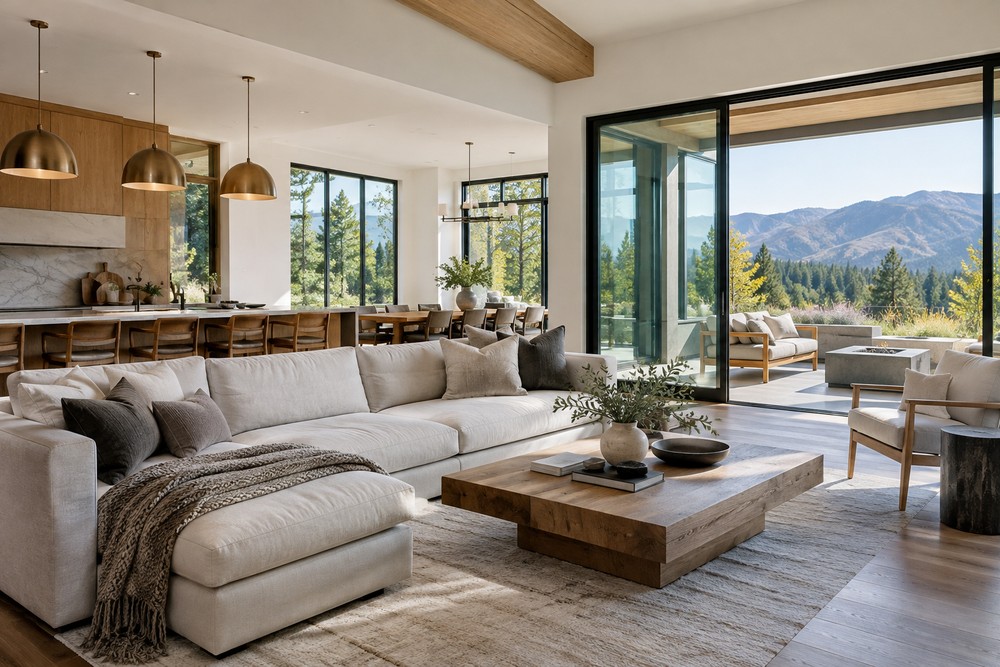
At the heart of modern interior design is the open-concept floor plan, which dismantles unnecessary wall barriers to facilitate natural light distribution and visual connection across primary living areas. By allowing kitchen, dining, and lounge spaces to flow into one another, homes instantly feel more expansive and welcoming.
However, effective modern living requires subtle structural definition. Rather than relying on rigid walls, contemporary designers use “soft zoning” techniques to delineate dedicated areas for cooking, working, and relaxation. Strategically placed area rugs, custom ceiling beams, architectural lighting fixtures, and contrasting wall finishes define distinct spatial functions while maintaining clear sightlines and an airy atmosphere.
2. Prioritizing Material Authenticity and Tactile Depth
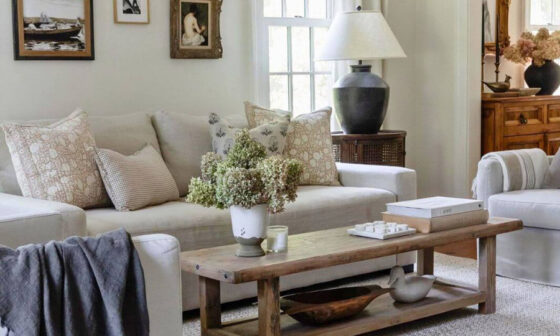
Modern interiors thrive on tactile richness rather than decorative clutter. A defining movement in high-end architecture is the use of authentic, living materials that bring warmth and visual weight into the home. European oak flooring, honed marble surfaces, lime-wash plaster walls, and hand-finished stone fireplaces provide a depth that synthetic alternatives simply cannot replicate.
Incorporating accent metals such as brushed bronze, unlacquered brass, and natural copper adds another layer of sophisticated character. Over time, these materials develop a soft, organic patina, reflecting the life lived within the home and ensuring that interior elements age gracefully alongside the building itself.
3. Elevating Exterior Architecture and Infrastructure
A truly elevated home design does not end at the front door. The most cohesive modern residences extend their architectural language outward, aligning facade materials, window framing, and rooflines with the surrounding natural environment. In regions subject to dramatic seasonal shifts and severe weather conditions, integrating durable exterior components is essential for protecting the structural integrity of your investment.
Architectural water management systems play a vital role in preserving both the foundation and the visual profile of a residence. For properties with expansive roof planes, clean contemporary lines, or heavy mountain weather exposure, installing custom box gutters in Park City offers an optimal blend of high-capacity drainage and understated, integrated style. Designed to manage heavy runoff and snow melt without intrusive visual hardware, these systems protect the structure’s exterior envelope while maintaining its sleek silhouette.
4. Maximizing Natural Light and Indoor-Outdoor Integration
Daylight is one of the most transformative design tools in modern architecture. Expansive floor-to-ceiling glass assemblies, oversized clerestory windows, and multi-slide patio doors invite natural sunlight deep into the interior, visually expanding living spaces and boosting overall well-being.
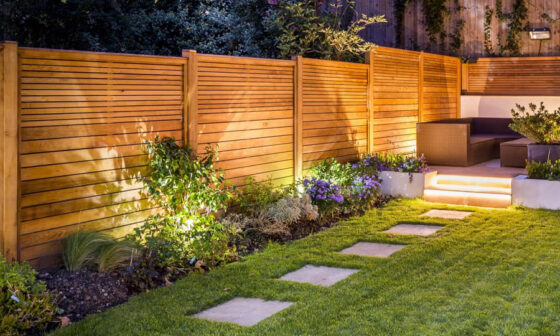
Connecting interior spaces with outdoor living areas—such as covered stone terraces, outdoor kitchens, and fire lounges—effectively doubles your usable footprint. By maintaining consistent flooring materials and cohesive color palettes between indoors and outdoors, you blur the boundary between human shelter and the surrounding natural landscape.
5. Curating Intentional Furnishings and Smart Technology
A stylish lifestyle is rooted in intentionality. Instead of overcrowding rooms with temporary design trends, focus on investing in high-quality, sculptural furniture pieces that prioritize ergonomic comfort and clean geometry.
Integrated smart home automation and custom built-in storage solutions keep daily clutter out of sight, allowing the architectural purity of your space to remain front and center. Ultimately, modern living is about creating an enduring sanctuary that supports your daily routine, reflects your unique taste, and stands strong against time and the elements.