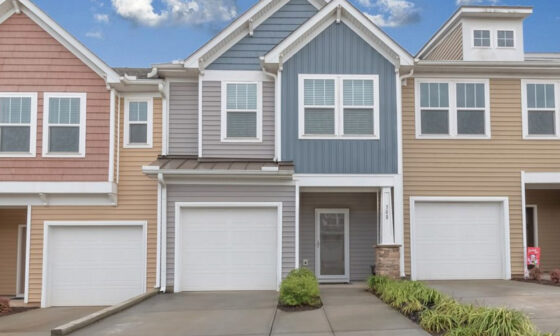
Selling a home does not always require a long list of renovations, weeks of open houses, or a large upfront budget. For owners dealing with a dated property, inherited home, relocation, financial pressure, or difficult tenant situation, an as-is sale can offer a more manageable path forward.
Homeowners comparing local options may speak with home buyers in Hope Mills, NC, while also considering whether a traditional market listing would leave them with more money after repairs, commissions, and months of carrying costs. The right answer depends on the property and the seller’s priorities.
What Selling As-Is Means
Selling as-is generally means the seller intends to transfer the property in its current condition and does not plan to complete repairs before closing. It can set expectations early, especially when a home has deferred maintenance, visible damage, or systems nearing the end of their useful life.
However, as-is does not prevent a buyer from inspecting the home or conducting other due diligence. It also does not automatically eliminate a seller’s responsibility to be truthful about known issues. The meaning of an as-is sale in North Carolina includes the buyer’s right to inspect the property’s condition, even if the seller has stated that no repairs will be made.
A direct-sale option can be useful for sellers who prefer a simpler process, but every company, offer, and contract should still be reviewed carefully. Homeowners who want to explore a direct route can begin by reviewing https://www.brighthomeoffer.com/ alongside other available selling strategies.
When an As-Is Sale May Make Sense
An as-is sale may be practical when the cost, effort, or time required to prepare a home for the market outweighs the expected benefit. Common situations include:
- An inherited home that needs cleanout, repairs, or updates.
- Major roof, plumbing, electrical, foundation, pest, or water-intrusion concerns.
- A rental property with vacancies, unpaid rent, or ongoing management problems.
- A job relocation or move with a firm deadline.
- Growing mortgage, tax, insurance, utility, or maintenance expenses.
- A seller who does not have available cash to fund repairs before closing.
For example, a homeowner may receive an estimate for $18,000 in repairs and expect to pay another $2,500 per month in mortgage, insurance, utilities, and upkeep. If selling after renovations could take four additional months, the true cost of waiting may be far more than the repair bill alone.
Comparison of Selling Options
Most homeowners have three broad paths. Comparing them by likely net proceeds and convenience can produce a clearer decision than comparing asking prices alone.
- Traditional listing:Often best for a market-ready home and a seller with time for repairs, showings, negotiations, and buyer financing. It may produce broad exposure and a higher gross price, but commissions, concessions, and delays can reduce the final amount.
- As-is listing:Allows the seller to market the home without major renovations. It can reduce preparation work, although buyers may still request inspections, negotiate credits, or offer less because they expect future repairs.
- Direct sale:Can fit a seller who values privacy, fewer showings, speed, or a more straightforward timeline. The offer may be lower because it accounts for repairs, holding costs, and resale risk.
Costs That Affect Net Proceeds
The amount written in an offer is not necessarily the amount a seller receives. A realistic estimate should account for loan payoff, property taxes, utility balances, attorney or settlement charges, agent commissions, repair credits, moving expenses, and the cost of owning the home until closing.
Estimated Net Proceeds = Sale Price − Loan Payoff − Selling Costs − Repairs − Carrying Costs
Create separate estimates for a traditional listing, an as-is listing, and a direct offer. A lower offer that closes sooner and avoids major expenses may be more valuable than a higher offer with uncertain financing or extensive repair demands.
Repairs Worth Considering
Not every improvement adds enough value to justify its cost. Start by separating health, safety, and financing concerns from cosmetic preferences.
Repairs That May Deserve Attention
- Active leaks, water intrusion, or severe drainage problems.
- Unsafe electrical conditions or broken heating and cooling systems.
- Serious mold, pest, structural, or roof concerns.
- Problems likely to interfere with a buyer’s financing or insurance coverage.
Changes That May Not Pay Off
- Luxury kitchen remodels, custom fixtures, or highly personal design choices.
- Major additions were made solely to secure a higher asking price.
- Any project that costs more than its likely increase in net proceeds.
Get written estimates before authorizing substantial work, and avoid rushing into repairs after an unsolicited contractor visit. A second opinion can help distinguish a necessary repair from an expensive upsell.
Disclosures and Seller Responsibilities
As-is language may limit repair negotiations, but it does not permit concealment of known defects. Sellers should carefully document known leaks, flooding, structural damage, pest activity, prior repairs, and other material concerns. Keep invoices, permits, warranties, and inspection reports in one organized file.
Questions involving liens, estates, divorce, foreclosure, or unusual title issues may require guidance from a North Carolina real estate attorney or another licensed professional. Contract language and local requirements can affect the seller’s responsibilities.
How to Review a Cash or Direct Offer
- Confirm the buyer’s legal name, business address, and contact information.
- Ask whether the buyer intends to close directly or assign the contract.
- Request reasonable proof of available funds.
- Review the price, fees, inspection period, cancellation rights, and closing date.
- Confirm who selects the closing attorney or title company.
- Have an independent professional review complex terms before signing.
A clean offer with verified funds and a clear closing process may be safer than a higher offer full of open-ended contingencies or last-minute fee changes.
Red Flags to Watch For
Be cautious when someone pressures you to sign immediately, asks you to transfer a deed before payment, adds unexplained fees, promises far above-market value, or requests upfront money to unlock an offer. Sellers should also independently verify any wire instructions before sending money or sensitive documents.
Homeowners facing mortgage difficulty should be especially wary of warning signs of mortgage relief scams, including companies that demand payment before delivering results or tell them to stop speaking with their lender.
Pre-Sale Checklist
- Gather the deed, mortgage statement, tax records, and insurance information.
- Write down known property issues and monthly carrying costs.
- Compare at least two selling strategies and calculate net proceeds for each.
- Verify the buyer and closing professional before signing.
- Read the complete contract and retain every offer, message, estimate, and disclosure.
Final Thoughts
Selling a house as-is can be a sensible financial decision, not merely a shortcut. The strongest choice depends on the home’s condition, the seller’s timeline, available repair funds, buyer demand, and the final amount remaining after all costs. A careful comparison helps homeowners choose speed, convenience, or broader market exposure with realistic expectations.