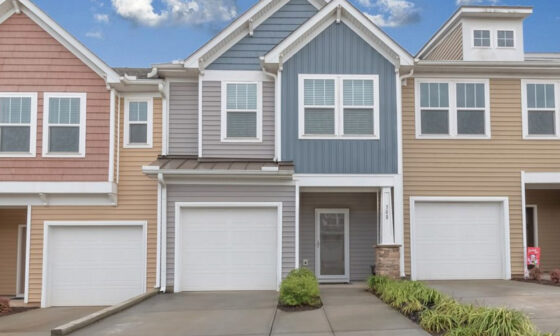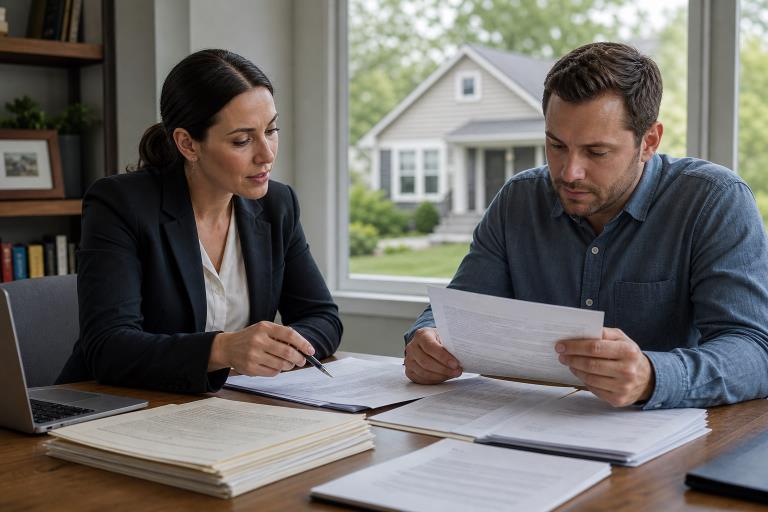
Buying a home involves more than reviewing photos, touring rooms, and negotiating a price. Before closing, public property records can help confirm who owns the home, whether unpaid claims exist, and whether the property comes with limits that could affect how you use it. They also provide useful context for inspections, seller disclosures, appraisals, and the title review process. Understanding what is title insurance can help buyers see why a careful review of ownership history and recorded documents matters.
Public records are not a replacement for legal advice, a professional title search, or a home inspection. They are, however, a practical way to spot questions early. A buyer might discover that an old mortgage release is missing, that taxes are delinquent, or that an addition shown in the listing does not appear in the permit records. Finding an issue before signing gives everyone time to clarify, correct, or resolve it.
Why Public Records Matter Before Closing
A property listing markets a home, while public records document ownership, taxes, financing, and land use. They usually align but may differ, especially with features like finished basements or recent ownership transfers, which warrant a closer look. Record reviews can also reveal paperwork issues, like contractor liens or mismatched seller names, that don’t automatically block transactions but require explanation from the closing agent or attorney before ownership changes.
Records Every Buyer Should Check
1. The Current Deed
Start by confirming the recorded owner. Check whether the property belongs to an individual, married couple, trust, estate, business, or another entity. Compare the legal description, not just the street address, with the purchase contract and other transaction documents. Addresses can change or be formatted differently, while the legal description identifies the land being conveyed.
2. Prior Deeds and Ownership Transfers
Review the ownership chain for unusual gaps, rapid transfers, quitclaim deeds, or transfers involving several parties. A quick sale is not necessarily suspicious, but it may warrant a clear explanation. Transfers connected to probate, divorce, foreclosure, or an estate may require additional documents to establish the seller’s authority.
3. Mortgages, Liens, and Judgments
Look for mortgages, tax liens, contractor liens, judgments, and recorded releases. A recorded lien may already be paid but not properly released, or it may be scheduled for payoff at closing. Do not assume that every filing is a dealbreaker. Ask who will resolve it, when it will be resolved, and whether proof of release will be provided.
4. Easements and Restrictions
An easement grants another person a legal right to use part of the property for a specific purpose. Common examples include utility access, drainage areas, shared driveways, and private-road access. Also, review recorded covenants, restrictions, and rights-of-way. These documents can affect parking, fencing, building plans, access, and future improvements.
5. Property Tax Records
Check whether taxes are current and whether there are special assessments, exemptions, or pending changes. The assessed value is useful for tax purposes, but it is not the same as the home’s market value or purchase price. A tax record listing a different owner or parcel may indicate the need for further research.
6. Permits and Code Records
Search for permits tied to significant work, including additions, decks, garages, finished basements, electrical upgrades, and major plumbing projects. If an improvement appears in the listing but not in public records, ask whether it was permitted and inspected. Unpermitted work can complicate insurance, lending, repairs, resale, or future remodeling.
Red Flags That May Need More Research
A record issue should lead to questions, not panic. Some entries are outdated, minor, or already resolved. Still, buyers should seek written answers when they notice any of the following:
- The seller’s name does not match the current ownership record.
- A deed or legal description conflicts with other transaction documents.
- Multiple liens, judgments, or unreleased mortgages appear in the file.
- Major additions do not match permit, tax, or planning records.
- The home involves a trust, an estate, a divorce, probate, or foreclosure.
- A shared driveway or access route is used, but not clearly documented.
- The seller pressures the buyer to skip document review or rush closing.
How to Search Property Records
Start With Local Offices
Visit the official website for the county recorder, clerk, register of deeds, assessor, or land records office. Search by property address, parcel number, and owner name when available. Save relevant records with their recording dates and document numbers. Then check the tax office for payment status, assessments, exemptions, and parcel details.
Check Building and Planning Records
Search local building and planning departments for permits, inspections, violations, zoning information, and open complaints. Some jurisdictions post complete records online, while others require an in-person request. Create a simple timeline that lists owners, transfer dates, mortgages, liens, releases, and anything that does not clearly connect to the next document.
Questions to Ask Before Signing
- Have all recorded liens been released or scheduled for payoff?
- Does the seller have documented authority to transfer the property?
- Are taxes, assessments, utilities, or association charges unpaid?
- Are major improvements properly permitted or otherwise documented?
- Do easements restrict parking, access, construction, or future use?
- Are there known boundary disputes, lawsuits, or probate matters?
- Which items will be resolved before closing, and which will remain as exceptions?
When to Bring In a Professional
Online searches can be incomplete, especially for older documents, recent filings, or records indexed under a previous owner’s name. A closing agent and title examiner help review the ownership record and identify matters that need attention. A surveyor may be helpful when boundaries, encroachments, or access are unclear. A real estate attorney can be especially valuable for estates, trusts, divorces, boundary disputes, complicated ownership histories, or documents you do not understand.
What to Confirm on Closing Day
Review the final Closing Disclosure or settlement statement and confirm the purchase price, credits, loan payoffs, fees, names, property address, and legal description. The Consumer Financial Protection Bureau’s closing guidance can help buyers understand the documents and final steps involved in completing a home purchase.
Ask whether any last-minute filing, lien, payoff, or title issue has appeared. Verify wire instructions by calling a trusted phone number for your closing company or bank, rather than relying on an unexpected email. Wire fraud can involve impersonating real estate professionals, so the FBI’s Internet Crime Complaint Center guidance on business email compromise is a useful reminder to independently verify any request to change payment instructions.
A Simple Final Checklist
- Ownership:The seller’s identity and authority are clear.
- Taxes:Current balances, assessments, and exemptions have been reviewed.
- Liens:Recorded claims are resolved or properly addressed at closing.
- Access:Easements, shared drives, and rights-of-way are understood.
- Improvements:Major work has been compared with permit records.
- Documents:Legal descriptions match across key papers.
- Questions:Unclear items have written answers from qualified professionals.
- Records:Important documents are stored securely after closing.
Conclusion
Public property records offer homebuyers another valuable view of a major purchase. They cannot replace inspections, disclosures, title work, or professional advice, but they can help buyers identify missing paperwork, unresolved claims, and property-use limitations before closing. A careful review creates better questions, clearer expectations, and fewer surprises after the keys are handed over.