Cardiac arrest could stem from an electrical malfunction that disrupts the heart’s ability to pump blood effectively. A sudden loss of circulation deprives organs, including the brain, of oxygen, making every minute matter for response. Cardiopulmonary resuscitation (CPR) helps maintain blood flow to vital organs until the heart’s normal rhythm is restored or advanced medical care becomes available. Here is how CPR influences cardiac arrest survival rates:
Recognize Cardiac Arrest Early
Cardiac arrest occurs when the heart suddenly stops pumping blood effectively. It differs from a heart attack, which happens when blood flow to part of the heart becomes blocked. A heart attack can lead to cardiac arrest, but the terms technically describe different emergencies. Recognizing that distinction helps bystanders understand why immediate action matters.
A person experiencing a sudden cardiac emergency may collapse, become unresponsive, and stop breathing normally. Occasional gasps are not normal breathing and should not delay an emergency response. Check responsiveness, call 911, and follow the dispatcher’s instructions. If cardiac arrest is suspected, begin CPR while help is on the way.
Start Compressions Without Delay
Chest compressions maintain blood flow to organs while the heart cannot pump effectively. Early intervention helps preserve circulation until professional treatment becomes available. Immediate assistance can greatly increase the survival chances after out-of-hospital cardiac arrest.
For adults, place your hands in the center of your chest and press hard and fast. Allow the chest to return to its normal position between compressions, as full recoil supports blood flow. If you lack formal training, a dispatcher can guide you through hands-only chest compressions. Trained rescuers should follow the techniques taught during their courses.
A bystander who begins compressions helps maintain circulation until emergency responders arrive. Early action can improve survival chances and limit the effects of oxygen deprivation. Although immediate assistance cannot guarantee recovery, it gives the person a better chance of surviving cardiac arrest until professional help arrives.
Apply Defibrillation Early
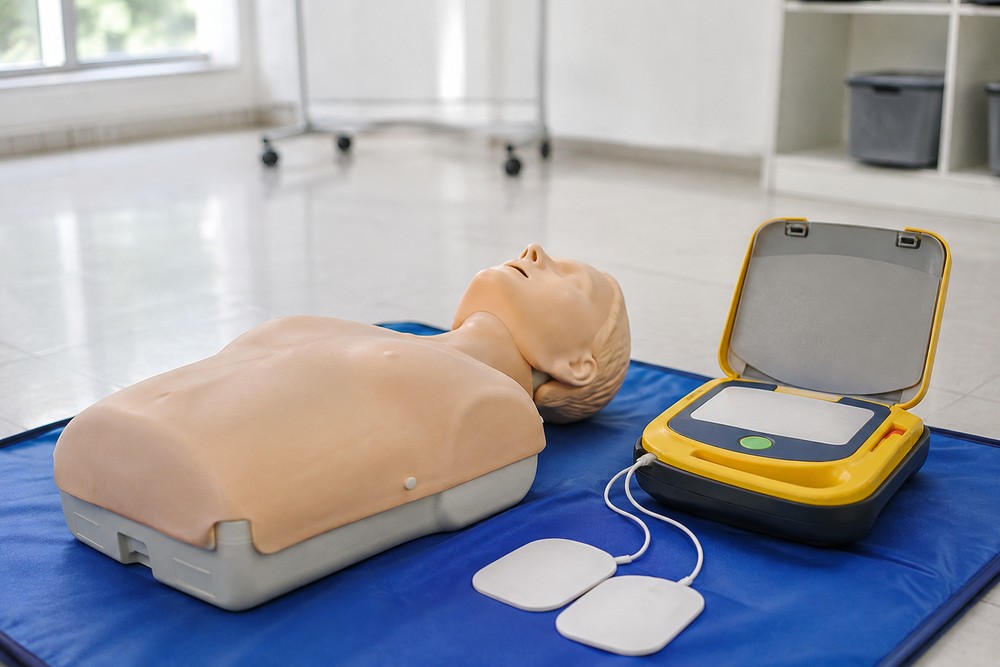
There are some cardiac arrests that are caused by abnormal heart rhythms that will be rectified with an electrical shock administered by an automated external defibrillator (AED). The device evaluates the heart rhythm and gives verbal instructions; a bystander does not have to read the rhythm. Turn it on, connect the pads as directed, and follow the instructions. Resume cardiopulmonary resuscitation as directed with as short a pause as possible.
Having access to an AED can significantly increase the chances of survival during cardiac arrest. If someone else is available, ask them to retrieve the AED while you begin chest compressions. Follow the voice instructions and continue compressions accordingly. Do not leave the person unattended to look for equipment if someone else can get it.
Coordinate Emergency Response Effectively
Call 911 immediately if someone collapses, becomes unresponsive, and stops breathing normally. The dispatcher can provide instructions while another bystander starts cardiopulmonary resuscitation or locates an AED. When emergency responders arrive, share what happened and when CPR began. This information helps them understand the timeline and continue treatment.
Improve CPR Skills Through Training
A training class lets participants practice compressions on manikins and receive feedback on technique. Instructors also demonstrate AED use and explain how rescuers coordinate during an emergency. Practical rehearsal helps learners recognize the steps before they face a real incident. Choose a course suited to your role, whether you are a healthcare worker, workplace responder, parent, or caregiver.
Learn CPR to Improve Survival
Community CPR training also helps workplaces and families plan how to respond when someone collapses. A designated person can learn where an AED is kept, while others identify how to contact emergency services quickly. CPR skills need periodic refreshers, as the technique and guidelines can change. Contact a qualified training provider to find a course that matches your responsibilities and practice the skills that support early intervention.