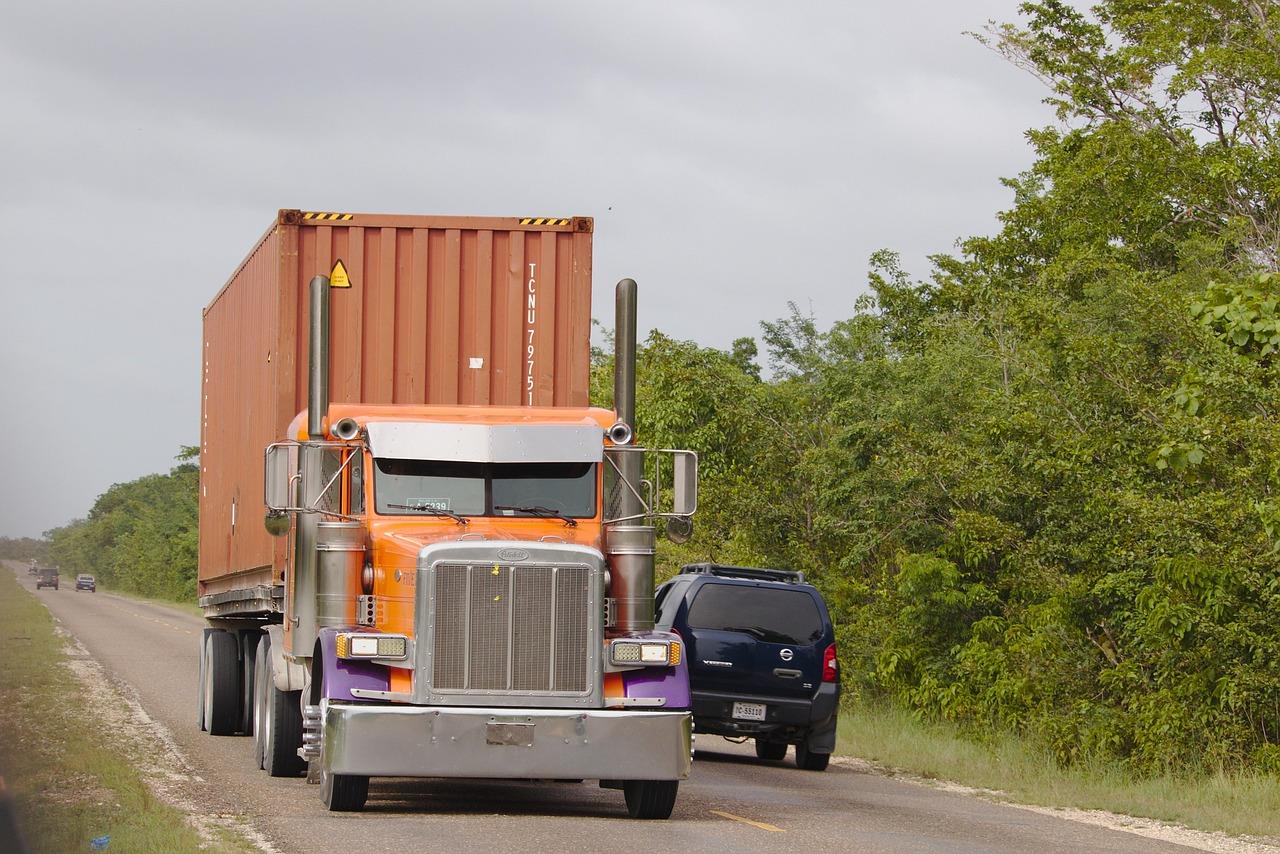
A serious crash with an 80,000-pound truck can flip life upside down in seconds.
Medical bills pile up quickly. Insurance calls begin to flood in. Now you’re drowning in paperwork that doesn’t make sense.
Fact: Commercial trucking cases take significantly longer to resolve than your average automobile accident claim. There are more parties involved. There is a lot more money at stake with higher insurance policies. Plus there are federal regulations that come into play that you don’t normally deal with in a typical automobile accident.
But here’s the good news:
It helps to feel less stressed when you know what to expect at every stage of the process.
Here’s the roadmap:
- Why Trucking Claims Are So Different
- The Stages of a Trucking Injury Claim
- Common Delays That Slow Things Down
- Getting the Right Legal Help
Why Trucking Claims Are So Different
Truck accidents are different than your typical car accident. Their size, weight, and velocity causes devastating damage unlike any normal collision.
5,218 large trucks were involved in fatal crashes in 2024. And yearly injury totals continue to rise. That’s just one reason why having a skilled truck accident attorney is priceless. They understand how to navigate the complexities involved with these claims. They will also identify problems that a traditional car accident lawyer would not think about.
Here’s what makes trucking claims different:
- Multiple parties can be held liable (driver, trucking company, cargo loader, maintenance crew)
- Federal FMCSA regulations come into play
- Insurance policies are much bigger — sometimes worth millions of dollars
- Evidence like driver logs and black box data can disappear fast
That last point is more important than most people realize. Trucking companies often dispatch rapid response teams to the crash scene within hours. So a truck accident attorney must act just as quickly to preserve evidence. A typical truck accident case will require the collection of electronic logging device data, driver qualification files, and inspection records before they are destroyed or overwritten.
Now let’s break down the actual timeline.
The Stages of a Trucking Injury Claim
All claims are processed the same way. However, the timing can vary depending on the severity of injuries and the insurers cooperativity.
Stage 1: Immediate Response (Days 1–7)
The first week after a crash is the most critical.
The most important things to do right away are:
- Get emergency medical treatment
- Report the crash to the police
- Preserve evidence at the scene if it’s safe to do so
- Contact a truck accident attorney
Why hurry? Well, evidence begins to vanish within minutes. Trucking companies have their own agendas to protect, and their investigators are on the scene within hours.
Stage 2: Investigation (Weeks 2–8)
Once medical care is underway, the investigation phase kicks off.
Here’s what happens during this stage:
- Accident reconstruction experts study the crash scene
- Black box data gets pulled from the truck
- Driver logs and hours-of-service records get reviewed
- Witness statements are taken
- Photos and video footage are gathered
It’s slow work but all of this makes up the whole case. Cutting corners almost guarantees a smaller settlement.
Stage 3: Medical Treatment & Documentation (Months 2–12)
A claim cannot be settled until the injuries are fully understood. This is known as “maximum medical improvement” or MMI.
Biggest mistake is rushing this process. Injuries such as traumatic brain injuries or spinal injuries can take months if not years to fully comprehend.
In 2025 there were roughly 145,000 truck crashes. Some victims injured during these accidents have lengthy treatment plans.
Stage 4: Demand & Negotiation (Months 6–18)
Once medical treatment stabilises, the attorney puts together a demand package.
This usually includes:
- Full medical records and bills
- Lost wage documentation
- Expert reports on future medical needs
- A demand letter with the requested settlement amount
The insurance adjuster will typically counter with a ridiculously low offer. There will then be a negotiation back and forth that may take weeks or months.
Stage 5: Litigation (Months 12–36+)
Should the insurance company not agree to fair compensation, then you file suit.
This stage includes:
- Filing the complaint in court
- Discovery (both sides exchange evidence)
- Depositions of witnesses and experts
- Mediation attempts
- Trial (if settlement talks fail)
The vast majority of cases settle before trial. However, the process can still take years, particularly where there are serious injuries and disputed liability.
Common Delays That Slow Things Down
Sometimes, even if you handle your claim perfectly, delays can occur. Learn the most common reasons below:
- Insurance company stalling: waiting you out until you give up or settle for less
- Multiple defendants: More parties means more scheduling problems
- Ongoing medical treatment: Cases pause while injuries heal
- Court backlogs: Trial dates can be pushed back for months at a time
Planning for these set backs in advance can help you manage expectations. Nobody likes being blindsided by something you could have planned for from day one.
Getting the Right Legal Help
Representing yourself in a commercial trucking claim is ill-advised. Federal regulations, multimillion-dollar policies, and tenacious defense counsel who zealously aim to minimize payment are involved.
A skilled truck accident attorney can:
- Preserve evidence before it disappears
- Identify every liable party
- Handle all communication with the insurance companies
- Calculate the true long-term value of the claim
- Fight for fair compensation at every stage
The right truck accident attorney evens the odds with large trucking companies and their insurers. Without legal representation, victims must stand up to teams of lawyers and adjusters fighting to pay you as little as possible.
Final Thoughts
Commercial trucking injury cases take time. Some can take months, while others can take years.
Here’s the key takeaway:
- Every stage has a purpose
- Rushing the process usually hurts the case
- Strong evidence gathered early makes a settlement more likely
- The right truck accident attorney makes all the difference
Good things come to those who wait. Cases that are handled correctly from the start are much more likely to have favorable outcomes — and to earn you more money for your injuries, medical expenses and lost wages.