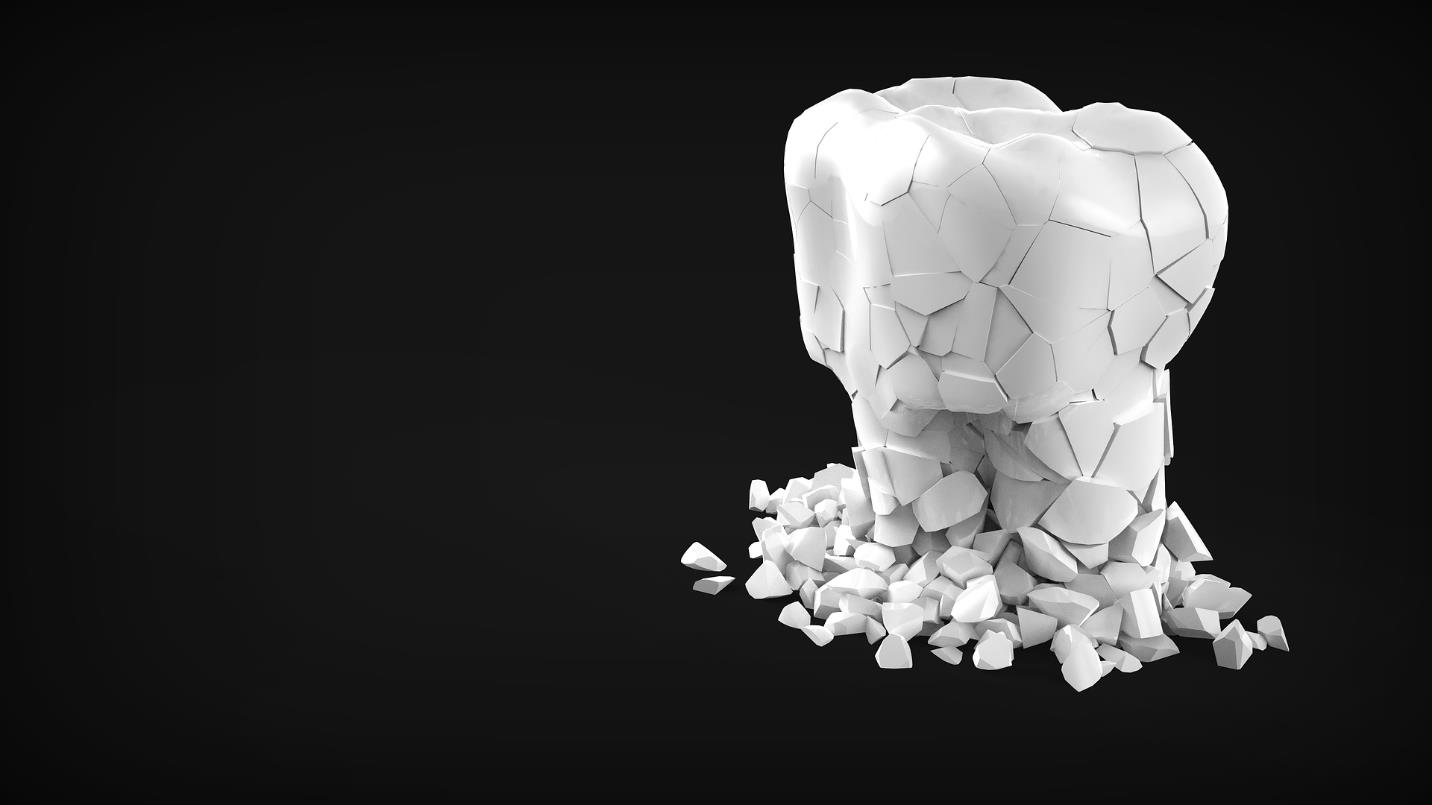
What should you do when a bite sends a sharp pain through your tooth? A crack can happen while eating, playing sports, or biting something hard. Even a small break can let germs enter the tooth and cause more damage.
It may also cause pain, swelling, or trouble chewing. Staying calm and acting quickly can help protect your smile and prevent bigger problems. This guide covers simple dental first aid, safe ways to ease pain, and when to seek help during dental emergencies so you can make smart choices and get the care your tooth needs.
Stay Calm and Check the Tooth
A cracked tooth can hurt, but damage may be hard to see. Rinse gently with warm water to clear food and blood. Do not poke the crack or bite down to test it.
Look for a chip, a sharp edge, swelling, or bleeding. If a piece has come off, place it in a clean container. Bring it to your dentist because it may help with treatment.
Use Simple Dental First Aid
Place a cold pack against your cheek for 15 minutes at a time to ease swelling. For toothache relief, ask a pharmacist or dentist which pain medicine is safe. Never put medicine on the tooth or gum.
Choose soft foods and chew on the other side until you get care. Avoid hot, cold, sweet, or hard foods if they trigger pain. If the edge cuts your cheek or tongue, cover it with dental wax.
Contact an Emergency Dentist Quickly
Call your dentist as soon as you notice a crack, even if pain is mild. Chewing can make the crack spread and the tooth harder to repair. Tell the office about swelling, strong pain, or a loose piece.
If your dentist is not available, look for an emergency dentist who provides urgent dental care. You can explore treatment options if you broke yours to understand how a dental professional can help repair the damage. Contact the clinic as soon as possible to learn when you can receive care.
Know When the Problem Is Urgent
Get prompt care if the tooth hurts when you bite or reacts to heat or cold. Facial swelling, fever, pus, or a bad taste can point to infection. Do not wait for these signs to pass.
Go to an emergency room if you have trouble breathing or swallowing or fast-spreading swelling. Heavy bleeding that will not stop needs urgent help. These signs may mean more than a damaged tooth.
Protect the Tooth Until Your Visit
Keep the area clean by brushing gently and rinsing after meals. Do not bite, chew ice, or open packages with the tooth. If pain gets worse, call the dental office.
Your dentist may use a filling, crown, or other care based on the crack. Quick treatment can often lower infection risk and help save the tooth. Follow the care plan and attend any checkup your dentist recommends.
Take Quick Action to Protect Your Smile
A cracked tooth should never be ignored, even when it does not hurt much. Rinse gently, use a cold pack, and avoid pressure while you arrange care. Contact a dentist quickly, and explain any pain, swelling, or change in the tooth.
Fast action during dental emergencies may prevent more damage and give your tooth a better chance of being saved. Follow your dentist’s advice and attend every planned checkup. Keep watching the area, and report new pain or swelling right away.
Did this guide help you? Browse the rest of this section for more advice on a variety of topics.