A Giant Playground for Big Imagination
Manchester has always been loud. It has done it with music, football, industry, insurrection, and headline-worthy rain. By partnering with Factory International, a creative powerhouse that has made the city a hub for daring art, it does it even larger.
This business does not kindly put paintings on a wall and ask people to quiet down. It fuels artistic risk to the max. It commissions new work, welcomes strong thinkers, and lets weird, astonishing ideas roam. This facility feels like a lab managed by poets, DJs, theater-makers, and a few friendly crazy scientists, unlike many arts spaces.
Massive ambition makes it intriguing. It’s for initiatives that make other venues nervous. Intimate performances that seem like secrets may happen one night. Another may create towering graphics, pounding music, and hundreds of individuals moving through an area that seems to change on command. Factory International flourishes when imagination runs wild.
Manchester Finally Gets a Cultural Machine to Match Its Personality
A few cities are lovely. Effective people exist. Manchester has always had more chaos and excitement. Big concepts with roughness appeal to this metropolis. Factory International makes sense here. It fits the city’s vibe rather than becoming a cultural prize.
Manchester has always had talent, audience, and passion for innovation. A house that matched its vitality was needed. Factory International meets this requirement by building around ambition without changing the city’s character. It lets artists go big, bizarre, passionate, immersive, and deliciously hard to explain to your family over Sunday brunch.
Culture is more than adornment. It shapes a place’s image. The city’s investment in ambitious art reflects its identity and future possibilities. Factory International says Manchester doesn’t want to be a museum. It aspires to be a bustling, slightly chaotic invention hub.
Aviva Studios Feels Like a Building With Performance Anxiety in the Best Way
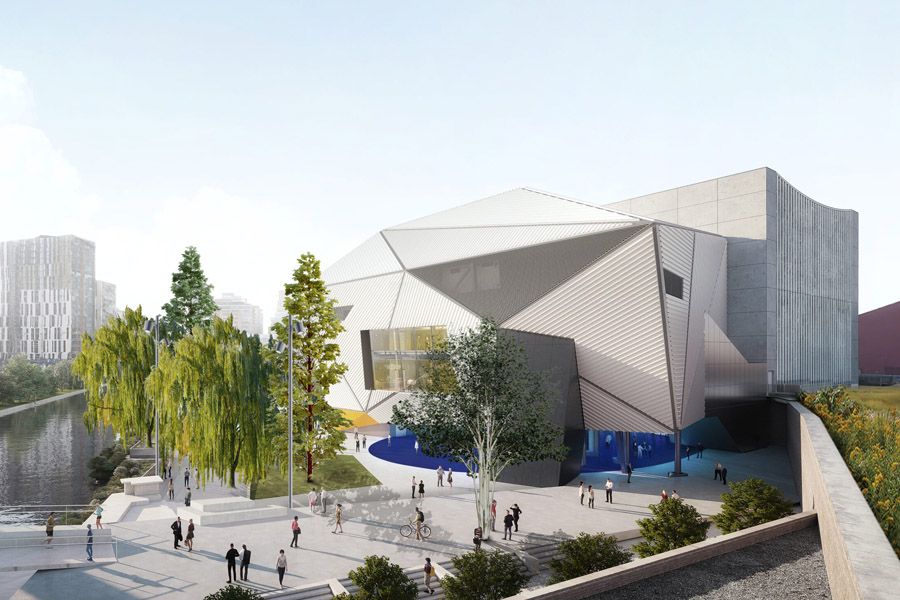
Aviva Studios, Factory International’s physical home, is essential to this plot. Its size is not its only appeal. Many areas are big. Warehouses are big. Car parks are big. It matters that this structure be flexible, transformable, and almost mischievously adaptive.
The space welcomes potential differently. It may hold a standing ovation during a concert and then switch to theater, installation, dance, or hybrid art. Artists’ ideas alter with that flexibility. They may imagine large instead of cutting a vision to suit the room.
A setting that might change attire at any time is tremendously dramatic. One show may make it cathedral-like. Another can convert it into an industrial paradise. Another can make you question if you’re watching a show, dreaming, or accidently attending an art project because you made a wrong turn near the bar.
It Champions Art That Refuses to Behave
Most fascinating creative organizations don’t require art to stay in its lane. Factory International is known for transcending borders, merging disciplines, and accommodating work that doesn’t fit cleanly into theatre, music, visual art, or digital experience.
That’s part of its secret. Clean labels and predictable forms no longer satisfy audiences. Want surprise. They seek employment that involves the sight, ear, body, and occasionally brain cells expecting a tranquil evening out. Factory International capitalizes on that appetite. It inspires artists to merge music, architecture, performance, technology, installation, storytelling, and spectacle with emotional intimacy.
Programming feels alive. Not blandified. Alive. Differences exist. Being alive is risky. It means some initiatives will be huge, some sensitive, and some will send people home debating happily. That reaction is good. Not all art should be a decorative cushion. Sometimes it should strike.
The Festival Spirit Gives It an Electric Pulse
A major part of the organisation’s identity comes from its festival roots. That matters because festivals create a special kind of momentum. They invite urgency, curiosity, and a sense that the city itself is participating in a temporary transformation. People step out expecting discovery.
That mentality permeates Factory International’s work. Creative expression is not displayed behind glass. As an event, chat, or social gathering. Festival-inspired programming seems more broad and surprising. Mood shifts. Artists provide more when audiences expect something special.
This frequently draws international attention to Manchester. Visitors come to see a city in motion as well as culture. Restaurants fill, hotels hum, cabs become review forums, and residents debate experimental performance while getting coffee. This indicates a thriving cultural environment. Art affects daily life beyond the venue.
Digital Creativity Gets a Proper Seat at the Table
One of the cleverest things about Factory International is that it does not treat digital work like a side dish. Too often, institutions nod politely at technology and then return to business as usual. Here, digital creativity is part of the main event.
That includes online commissions, virtual experiences, immersive formats, and audience-redefining projects. Sometimes viewers are spectators. An occasional participant. Sometimes a wandering button-clicker with mismatched socks making selections in a digital artwork at home. All these experiences matter.
Culture now spans numerous worlds, making this important. Digital space increases access and encourages experimentation, but physical attendance remains strong. Artists may make portable art without sacrificing edge. Remote audiences can participate without being washed down. A desire to explore this region provides the organization resilience and reach.
It also makes it more relevant to younger generations who move comfortably between live and virtual environments. For them, the line between digital and physical culture is not a wall. It is a doorway. Factory International seems to understand that instinctively.
Local People Are Not Treated Like Decorative Extras
Large cultural projects sometimes make a lot of noble noise about community while quietly behaving like exclusive clubs in expensive coats. What stands out here is the effort to involve local people as participants, collaborators, trainees, and contributors to the creative life of the organisation.
That strategy alters everything. When residents participate, culture becomes more rooted. It seems cooperatively molded rather than top-down. Local participation, workshops, training, and joint programming develop that link.
The result is practical and symbolic. It opens doors to creative sectors for those who never thought they would work there. Confidence, talents, and professional networks increase. It also ensures the institution mirrors the city rather than soaring above it like a sleek spaceship that failed to land.
The Training Side Might Be One of Its Smartest Moves
Major productions make headlines, but training and development may be just as vital. Training individuals in production, stagecraft, technical labor, and creative processes is less spectacular than a blockbuster premiere. It is strategic, though.
Creative companies require more than theatrical stars. Technicians, managers, builders, organizers, designers, and problem-solvers who can execute ambitious concepts without igniting the lighting rig are needed. Talent investment strengthens local economies and ensures sustainability.
It opens doors to jobs that may seem unfamiliar to young people. Not everyone wants attention. Some want the spotlight to work. Some seek sound design. Some wish to create the set, schedule, or run the magic’s mechanics. Healthy arts institutions appreciate all those functions.
It Helps Turn Culture Into Economic Energy
Beyond ticket sales, there is a wider impact. A significant creative institution influences tourism, hospitality, employment, reputation, and investment. They dine, shop, stay overnight, and go into local shops while having fun when traveling for cultural experiences.
It ripples across the metropolis. Culture becomes economic infrastructure, not a luxury. It generates interest and revenue. More significantly, it strengthens the city’s identity in a competitive world. Many areas provide retail and office space. Few can provide a unique cultural experience.
Factory International helps Manchester stand out by giving the city something difficult to copy. You can imitate branding. You can clone slogans. You cannot easily fake a vibrant creative ecosystem with genuine public interest and international pull.
FAQ
What makes Factory International different from a standard arts venue
Factory International is built around producing and commissioning ambitious original work rather than simply presenting a fixed menu of familiar shows. Its scale, flexibility, and cross-disciplinary approach allow artists to create projects that would struggle to exist in more conventional venues.
Why is Manchester such a strong fit for this kind of organisation
Manchester has a long history of creativity, independence, and cultural confidence. Factory International matches the city’s bold character and gives that energy a large-scale platform where experimental work can thrive.
What role does Aviva Studios play in its success
Aviva Studios provides the adaptable physical space that makes large, unusual, and immersive productions possible. Its flexible design supports concerts, theatre, installations, and hybrid events without forcing artists into one rigid format.
Does Factory International only focus on international audiences
No. While it has global reach and attracts international attention, it also places strong emphasis on local participation, community collaboration, and training opportunities for people in Manchester.
Why is its digital work important
Digital projects expand access, encourage experimentation, and allow creative work to reach audiences beyond the venue itself. They also reflect how modern audiences engage with art across both physical and online spaces.
How does it benefit the city beyond culture
It supports tourism, jobs, training, local business activity, and Manchester’s international reputation. In that sense, it acts as both a cultural force and an economic driver.