Why Neighborhood Infrastructure Matters for Short-Term Furnished Rentals
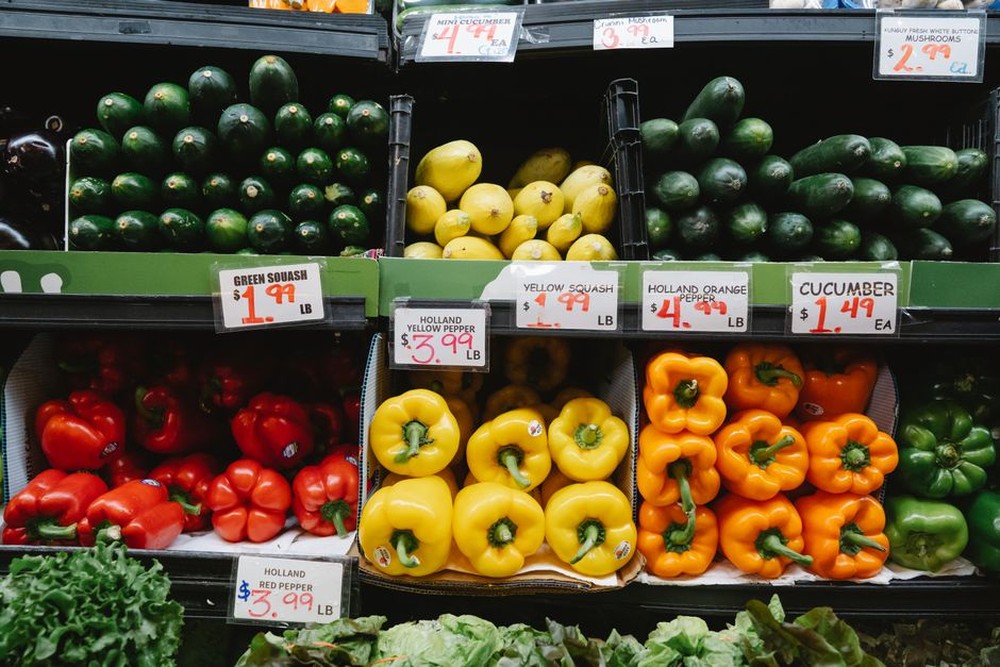
When settling into temporary housing, one of the first priorities is often replicating the comforts of home. This includes easy access to daily necessities like fresh groceries and reliable pharmacies. For individuals and families choosing furnished apartment rentals in Detroit, understanding the local grocery and drug store landscape is vital. We know that convenience significantly impacts the overall experience of an extended stay.
Detroit, like many urban centers, presents a unique environment for accessing these essential services. Many residents, for example, do not own a car, making walkable access to stores critical. We have also seen significant shifts in the retail landscape. Since 2017, the city has lost almost a third of its major chain drugstores. Additionally, Detroit has seen grocery store closures, with dollar stores often outnumbering traditional markets in some areas.
In this guide, we will explore the evolving ecosystem of Detroit’s grocery and drug stores. We will cover how to navigate these options to ensure a comfortable and convenient stay in your temporary home, offering insights into finding everything from fresh produce to prescription services by September 2026.
For guests staying in short-term furnished rentals, the surrounding neighborhood infrastructure is paramount to a comfortable and efficient experience. The ability to easily access daily essentials without extensive travel significantly enhances the appeal and practicality of temporary housing. This includes walkability to local grocery stores, the availability of pharmacies, and proximity to public transit options. In a city like Detroit, where approximately one-third of residents do not own a car, these factors are not just conveniences but necessities.
The retail landscape in Detroit has undergone considerable changes over the past decade. We’ve observed a decrease in traditional chain drugstores, with 40 such establishments across Detroit, Highland Park, and Hamtramck in 2017 dwindling to just 28 by 2024. This nearly one-third reduction in chain pharmacies underscores the importance of understanding the current availability of these critical services. Similarly, the city has faced challenges with grocery access, losing 10 grocery stores in recent years and now contending with a higher number of dollar stores than full-service grocery options. These statistics highlight the need for careful consideration of a rental’s location relative to essential retail.
Choosing a furnished rental in a well-serviced area means less time spent commuting for basic needs and more time enjoying the city or focusing on work. It ensures that fresh produce, household items, and vital medications are always within reach, contributing to a seamless transition and a more settled feeling during an extended stay.
Assessing Daily Convenience in Short-Term Furnished Rentals
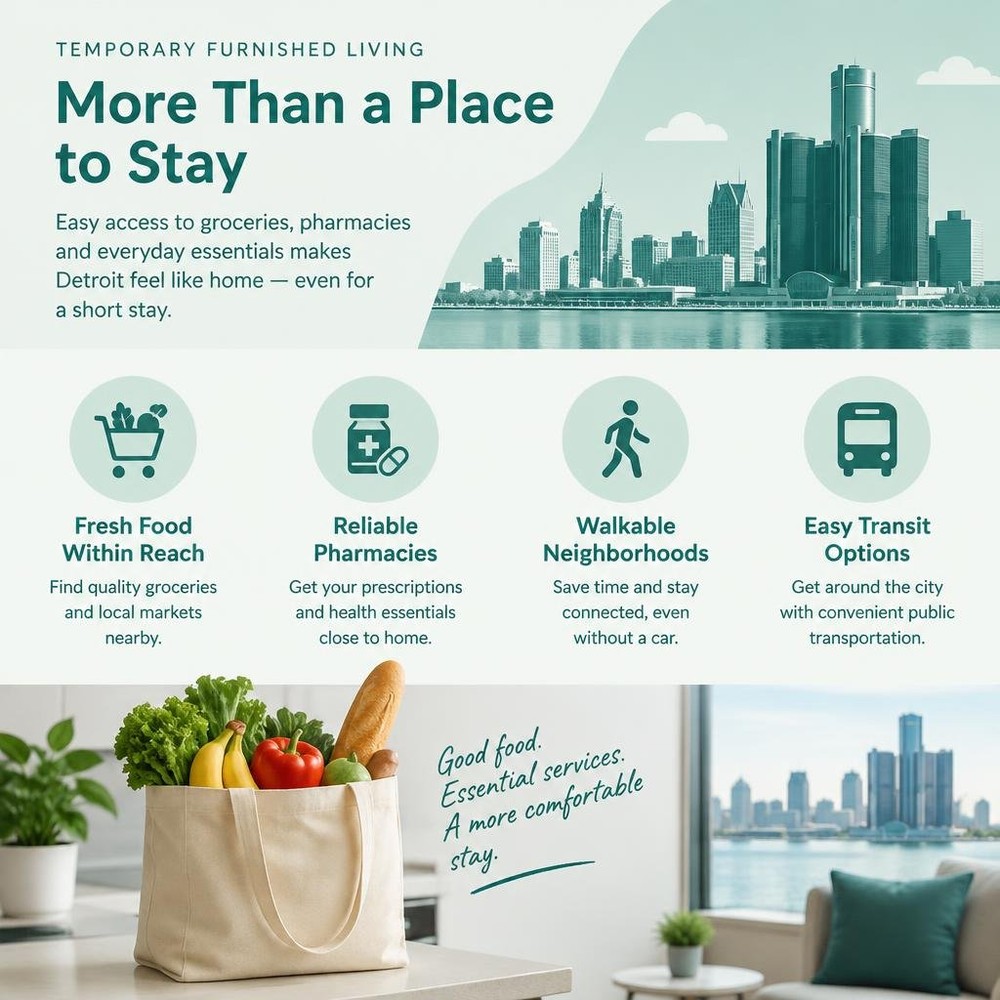
When evaluating the daily convenience offered by a short-term furnished rental, we look beyond just the amenities within the unit. The accessibility of fresh produce and a variety of food options is a key differentiator. Neighborhood markets and grocery stores are not just places to buy food; they are integral to the fabric of a community. For guests, the ability to walk to a store for fresh ingredients means a more enjoyable and cost-effective dining experience, reducing reliance on takeout or expensive convenience items.
Consider the example of the Jefferson Chalmers neighborhood, where about 20% of residents do not own a car. For these individuals, a local grocery store isn’t a luxury but a lifeline. This applies equally to our guests, who may be new to the area and prefer to navigate on foot or via public transport. Stores like Harbortown Market, Plum Market Detroit, Meijer’s Rivertown Market, and City Market in or near downtown offer diverse options, from gourmet groceries and locally sourced goods to late-night shopping. City Market, for instance, operates until 2 AM, providing flexibility for those with unconventional schedules. The density and variety of storefronts directly impact the quality of life for temporary residents, allowing them to maintain their preferred dietary habits and lifestyle with ease.
Essential Pharmacy and Health Access Near Temporary Housing
Access to pharmacy services is another non-negotiable aspect of comfortable temporary living. For guests requiring regular prescriptions or over-the-counter health essentials, proximity to a reliable drugstore is crucial. The decline of major chain pharmacies in Detroit has placed a greater emphasis on independent pharmacies and the pharmacy sections within larger grocery or retail stores.
Independent pharmacies, such as Rigleys Drug Store LLC or the historical Jewish-owned pharmacies that once served as community hubs, play an increasingly vital role. These establishments often offer more personalized care, and some, like those in the Health Mart network, are innovating with services such as free same-day prescription delivery and pre-packaged medication doses. These services are particularly beneficial for residents without personal transportation or those managing complex medication regimens.
The financial landscape for pharmacies in Detroit is also unique. More than half of insured Detroiters use government programs like Medicare (31.1%) or Medicaid (22.5%), which can impact pharmacy finances and, by extension, their ability to remain open. This context makes the resilience and adaptability of independent pharmacies even more commendable. When choosing a furnished rental, we always consider the availability of these essential services, ensuring guests have convenient access to their health and wellness needs, whether it’s a CVS, Walgreens, or a trusted local independent pharmacy offering extended hours.

Navigating Local Food and Pharmacy Ecosystems in Urban Centers
Understanding the local food and pharmacy ecosystem is key to a successful stay in any urban center, especially in a dynamic city like Detroit. This ecosystem is a complex mix of full-service supermarkets, smaller urban food co-ops, specialty grocers, and, increasingly, dollar stores. Each plays a distinct role in providing access to goods, but their impact on residents and temporary guests varies significantly.
Full-service supermarkets like Food Giant Supermarket offer a comprehensive range of products, from fresh produce and meats to household items and pet supplies, often with a community-focused atmosphere. These stores are designed for weekly bulk shopping and provide a wide selection. Specialty grocers, such as Plum Market Detroit or Whole Foods, cater to specific preferences, focusing on organic, locally sourced, or gourmet items. These can be excellent options for discerning shoppers or those with particular dietary needs.
The rise of dollar stores, while providing some convenience, often comes at the expense of fresh food options. Detroit has lost 10 grocery stores in recent years, leading to a landscape where dollar stores sometimes outnumber traditional grocery outlets. This shift can create “food deserts” in certain neighborhoods, making access to healthy, fresh food a challenge. However, community-led initiatives like Neighborhood Grocery, a new Black-owned store on Manistique St., are actively working to combat this by offering locally sourced products and community equity shares, aiming to improve food access in underserved areas.
The pharmacy landscape also requires careful navigation. While national chains like CVS and Walgreens still operate, their numbers have decreased. This void is increasingly being filled by independent pharmacies, which often become vital community hubs. These local establishments, some with decades of history like the Jewish-owned drugstores of the past, offer a more personal touch and often adapt their services to meet specific neighborhood needs, such as free delivery or specialized packaging.
Balancing Supermarkets and Specialty Grocers in Short-Term Furnished Rentals
For guests in short-term furnished rentals, the ideal scenario involves a balance of supermarket and specialty grocer options. This allows for flexibility in shopping habits, catering to both routine needs and specific preferences.
Supermarkets like Meijer’s Rivertown Market or Food Giant Supermarket are excellent for stocking up on staples. They typically offer competitive pricing and a broad selection of products, making them suitable for budgeting and general household needs. Food Giant, for example, prides itself on “fresh flavors” and “friendly faces,” aiming to create a welcoming “neighborhood market that feels like home.”
On the other hand, specialty grocers provide unique advantages. Plum Market Detroit, located in the Ally Detroit Center, emphasizes locally sourced organic foods, catering to those who prioritize health and sustainability. Whole Foods offers a premium selection of natural and organic products. Even smaller, more niche options like the Detroit Neighborhood Grocery eStore highlight chemical-free, non-GMO produce, appealing to health-conscious consumers. Lafayette Foods in downtown Detroit stands out for its commitment to local vendors, offering over 500 varieties of craft beers and wines, and supporting specialty diets with dairy-free, organic, and gluten-free options. They also boast modern conveniences like curbside pickup and DoorDash delivery, crucial for busy guests.
Late-night markets, such as City Market, which stays open until 2 AM, provide unparalleled convenience for those with late arrivals or evening cravings. The ability to access fresh produce, specialty items, and everyday groceries from a variety of sources means that guests can tailor their shopping experience to their exact needs, ensuring a comfortable and well-provisioned stay.
The Shift Toward Community and Independent Pharmacies
The landscape of drugstores in Detroit has seen a significant transformation, with a shift away from national chain dominance towards a greater reliance on community and independent pharmacies. This change, driven by factors like chain consolidation and financial pressures, has profound implications for residents and short-term guests alike.
As previously noted, Detroit, Highland Park, and Hamtramck have collectively lost almost a third of their major chain drugstores since 2017. This trend mirrors national patterns, with major chains like CVS announcing widespread closures. These closures leave significant gaps, particularly for the one-third of Detroiters without cars, for whom local access is critical. The absence of a nearby chain pharmacy can mean a struggle to obtain essential medications, as exemplified by Ms. Moore, an 80-year-old resident who lost her nearby Rite Aid and now faces challenges getting her blood-pressure medication.
In response to this void, independent pharmacies are stepping up. Detroit, Highland Park, and Hamtramck collectively host about 200 pharmacies that are not part of a national chain. Many of these are part of networks like Health Mart, and they are innovating to serve their communities. Services such as free same-day prescription delivery, as offered by New Atlas Pharmacy, and pre-packaged medication doses, aid patient adherence and accessibility. These pharmacies often foster stronger community ties, offering personalized care that can be a welcome change from the more standardized approach of larger chains.
However, independent pharmacies face their own set of challenges, including expensive application fees, mandatory inspections, and the need to meet minimum operating hours before accepting certain insurance plans. Despite these hurdles, their growth and adaptability, as seen with PharMor expanding to 11 locations, demonstrate their crucial role. For guests in short-term furnished rentals, understanding this shift means recognizing that while national chain names might be less prevalent, a robust network of dedicated independent pharmacies is available to meet their health needs.
| Feature | National Retail Pharmacy Chains (e.g., CVS, Walgreens) | Independent Community Pharmacies (e.g., New Atlas, Rigleys) |
|---|---|---|
| Coverage | Widespread national presence, standardized services | Localized, community-focused, often single-location |
| Product Range | Broad, includes general merchandise, some groceries | Often more focused on pharmacy, but may have essentials |
| Personalization | Less personalized, high volume | Highly personalized, strong patient-pharmacist relationships |
| Delivery Services | Increasingly offered, but may vary by location | Frequently offer free same-day delivery, especially in urban areas |
| Specialized Care | Standardized offerings | May offer unique services like pill-packaging, compounding |
| Community Tie-ins | Corporate initiatives | Deeply integrated into local community, often family-owned |
| Hours | Often extended, some 24/7 | Variable, may have more traditional hours, some extended |
Key Criteria for Choosing the Ideal Temporary Accommodation
When selecting a short-term furnished rental, especially for an extended stay, several key criteria go beyond mere aesthetics. We prioritize features that ensure comfort, convenience, and a seamless living experience, reflecting the importance of daily essentials discussed earlier.
First and foremost, lease flexibility is paramount. Our guests often have evolving needs, and the ability to adjust lease terms without prohibitive penalties is a significant advantage. Complementing this is comprehensive utility management, where all essential services like electricity, water, and internet are included and pre-arranged, removing administrative burdens.
For the growing number of professionals working remotely, dedicated workspaces and high-speed internet are no longer luxuries but necessities. A comfortable desk, ergonomic chair, and reliable connectivity are crucial for productivity. Beyond work, in-unit amenities significantly enhance daily living. Access to laundry facilities within the unit or building is a major time-saver, eliminating trips to laundromats.
Parking access is another critical consideration, particularly in urban environments where street parking can be scarce or regulated. Secure, on-site parking provides peace of mind and convenience for guests with vehicles.
Finally, the kitchen is often the heart of a temporary home. A fully equipped kitchen with modern appliances is essential for preparing meals, whether it’s a quick breakfast or a gourmet dinner. This includes not just major appliances but also a comprehensive set of cookware, utensils, and dinnerware. Stores like VG’s Grocery, with its free pickup and delivery promotions and rewards programs, become even more appealing when you have a kitchen ready to handle fresh produce and specialty items. Lafayette Foods, with its focus on supporting local vendors and a wide range of dietary options, further enhances the culinary experience for those staying in well-appointed rentals.
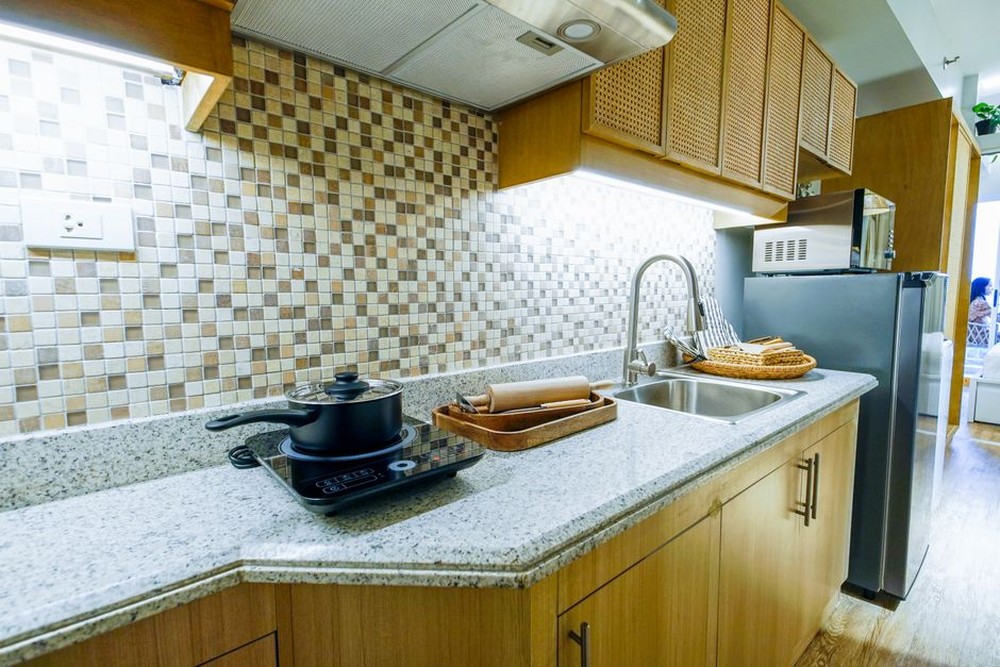
Essential Kitchen and Household Features for Furnished Rentals:
- Major Appliances: Refrigerator, stove/oven, microwave, dishwasher.
- Small Appliances: Coffee maker, toaster, blender, electric kettle.
- Cookware: Pots, pans, baking sheets.
- Utensils: Cooking utensils, cutlery, serving spoons.
- Dinnerware: Plates, bowls, glasses, mugs.
- Basic Pantry Items: Salt, pepper, cooking oil (often provided as a starter).
- Cleaning Supplies: Dish soap, sponges, basic surface cleaner.
- Linens: Fresh bed sheets, towels, kitchen towels.
- Iron & Ironing Board: For professional or personal grooming.
- Hair Dryer: A common personal care item.
Frequently Asked Questions About Urban Stays and Essentials
How can temporary residents locate reliable grocery stores nearby?
For temporary residents in Detroit, locating reliable grocery stores is made easier through a combination of digital tools and local exploration. We recommend starting with online mapping services like Google Maps or Apple Maps, which allow users to search for “grocery stores near me” or “supermarkets in Detroit.” These platforms often provide store hours, contact information, and customer reviews, helping guests identify options that best fit their needs.
Beyond general searches, specific neighborhood guides can be invaluable. Many furnished rental providers, including ourselves, offer curated lists of local amenities. For instance, downtown Detroit boasts options like Harbortown Market, Plum Market Detroit, Whole Foods, City Market, and Meijer’s Rivertown Market. These guides often highlight unique features, such as City Market’s late-night hours or Plum Market’s focus on organic goods.
Public transit routes are also a crucial consideration, especially for those without a car. Identifying grocery stores accessible via SMART or DDOT bus lines can significantly expand options. Additionally, many modern grocery stores, including Lafayette Foods and VG’s Grocery, offer online ordering with curbside pickup or delivery services through platforms like DoorDash, providing a convenient alternative to in-person shopping.
What should guests do if a neighborhood lacks a major chain pharmacy?
The decline of major chain pharmacies in Detroit means that guests might find themselves in neighborhoods without a familiar CVS or Walgreens. However, this doesn’t mean a lack of access to essential pharmacy services.
The city, along with Highland Park and Hamtramck, is home to about 200 independent pharmacies. These local establishments, such as Rigleys Drug Store LLC, often fill the gap left by chain closures. We encourage guests to use mapping apps to search for “pharmacy” or “drugstore” to identify the closest independent options. Many independent pharmacies are part of networks like Health Mart, which means they adhere to certain standards and may offer similar services to chains.
Crucially, many independent pharmacies have adapted to community needs by offering free same-day prescription delivery, a service that can be a lifesaver for those without transportation. Guests can also explore mail-order prescription services, which can be arranged through their insurance provider for long-term medication needs. For immediate, non-prescription needs, many grocery stores and convenience stores, like Davidson Grocery, carry a selection of over-the-counter medications and basic health supplies. In cases requiring medical consultation, community clinics can provide initial assessments and guidance on where to fill prescriptions.
What amenities distinguish top-tier furnished housing for extended stays?
Top-tier furnished housing for extended stays goes beyond basic furnishings, offering amenities that significantly enhance comfort, convenience, and productivity.
A fully equipped kitchen is a hallmark, featuring not just major appliances but also a comprehensive set of cookware, utensils, and dinnerware. This allows guests to prepare their own meals, promoting a healthier and more cost-effective lifestyle. High-speed internet is non-negotiable, supporting both work and leisure activities. Dedicated workspaces, often including a desk and ergonomic chair, are essential for remote professionals, transforming the rental into a functional home office.
In-unit laundry facilities (washer and dryer) are highly valued, eliminating the need for off-site laundry services. Other distinguishing features include comfortable, high-quality bedding and linens, regular housekeeping services, and often, access to building amenities like fitness centers, communal lounges, or secure parking. For those seeking residential comfort and urban convenience, these amenities collectively ensure a truly seamless and enjoyable extended stay.
Conclusion
Navigating Detroit’s grocery and drug store landscape is an integral part of ensuring a comfortable and convenient experience in short-term furnished rentals. While the city’s retail environment has evolved, with shifts in both grocery and pharmacy access, a wealth of options remains available to meet the daily needs of residents and guests alike.
From the diverse offerings of downtown grocery stores like Lafayette Foods and Plum Market, which prioritize local sourcing and modern conveniences, to the resilient network of independent pharmacies stepping up to fill gaps left by chain closures, Detroit provides numerous avenues for accessing essentials. We’ve seen how personalized services, such as free prescription delivery and community-focused initiatives like Neighborhood Grocery, are vital in ensuring that everyone, especially those without personal transportation, has access to fresh food and critical medications.
By choosing a furnished rental in a well-serviced neighborhood and understanding the local ecosystem, guests can enjoy a seamless transition into their temporary home. Our commitment is to provide not just a place to stay, but a truly comfortable and convenient living experience, where daily necessities are always within reach. This integration into the local fabric allows our guests to fully embrace all that Detroit has to offer, making their extended stay feel truly like home.