Rental maintenance works best as a year-round system, not a reaction to the latest leak, furnace problem, or tenant message. A practical 2026 calendar gives GTA landlords a reliable way to schedule inspections, book qualified trades, communicate with residents, and plan for larger expenses before they become urgent. For owners managing homes, condos, or small rental portfolios across Toronto and surrounding communities, a professional property management service can help coordinate maintenance, tenant communication, inspections, and repair follow-up. Even self-managing landlords can use the same structure to keep property care more predictable.
Why a Year-Round Care Plan Makes Sense
Routine maintenance creates a clearer picture of a property’s condition. It helps owners notice recurring moisture, drainage, appliance, heating, or pest issues while there is still time to arrange a measured response. The CMHC’s regular maintenance guidance for rental homes notes that regular upkeep can help forecast needed repairs and reduce the risk of unexpected emergencies. A calendar also clarifies expectations. Tenants know how to submit maintenance requests, contractors have more notice for non-urgent work, and landlords can review completed work at the end of each season. In Ontario, the Residential Tenancies Act sets out a landlord’s responsibility to keep rental premises in good repair and fit for habitation. It requires compliance with applicable health, safety, housing, and maintenance standards.
January to March: Prepare for Winter Risks
Ontario winters can place extra pressure on heating systems, plumbing, roofs, walkways, and exterior drains. Start the year by confirming that the heating equipment is operating as intended and that tenants know whom to contact if essential services fail. Watch closely for condensation, drafts around windows, ice buildup, and water intrusion near basements or exterior doors.
Suggested Winter Checks
- Check visible furnace components, filters, thermostats, vents, and accessible ductwork.
- Inspect basement and utility areas for leaks, dampness, or exposed plumbing at risk of freezing.
- Test smoke and carbon monoxide alarms according to manufacturer instructions and applicable requirements.
- Confirm snow and ice removal responsibilities for entrances, paths, parking areas, and common spaces.
- Send tenants a short reminder about reporting no heat, flooding, sewage backups, electrical hazards, or damaged locks promptly.
April to June: Inspect After the Thaw
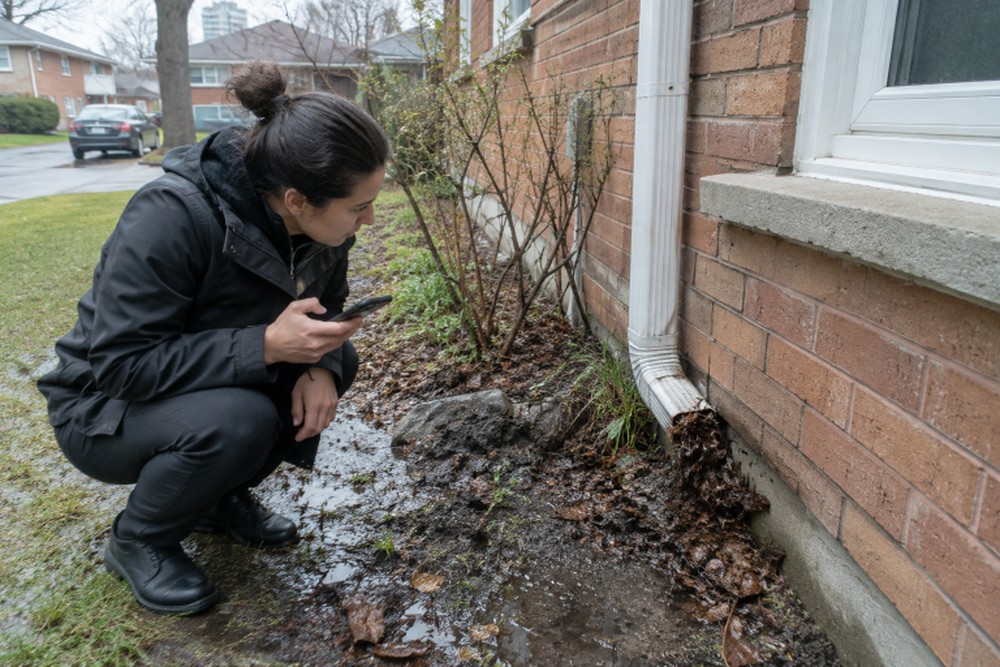
Spring is the right time to look for damage that may have been hidden by snow or aggravated by repeated freezing and thawing. A full exterior walkaround can reveal loose materials, blocked eavestroughs, damaged fencing, cracked paving, standing water, and areas where grading directs water toward the foundation.
Spring Inspection Checklist
- Walk the complete exterior and photograph visible changes.
- Check rooflines, gutters, downspouts, siding, exterior walls, and window wells.
- Inspect doors and windows for damaged weatherstripping, failed seals, or operational problems.
- Look for pooling water near the foundation and clear debris from drainage routes.
- Arrange needed repairs before the busy summer season limits contractor availability.
July to September: Manage Heat, Use, and Turnover
Summer often brings heavier use of cooling equipment, plumbing, outdoor areas, balconies, yards, and common spaces. Check air conditioners and condensate drainage where applicable, look for slow leaks under sinks, and inspect exterior hose connections. Landscaping should be kept orderly enough to support access, drainage, and visibility around the property. If a tenancy ends, allow adequate time for a deliberate turnover. Complete a move-out inspection, document the condition with dated photos and notes, arrange cleaning and repairs, and verify that safety devices and included appliances are ready before the next resident arrives. Consistent move-in and move-out records can also help identify repeated problems over time.
October to December: Get Ready for Cold Weather
Autumn is the time to repeat key winter preparations before the first sustained cold period. Clean gutters where safe to do so, check for obvious drafts, service heating equipment as appropriate, protect outdoor plumbing, and ensure emergency contact details are up to date. Review access plans for contractors and snow-clearing providers before severe weather makes coordination harder.
End-of-Year Review
- List repairs completed during the year and attach invoices or warranty information.
- Identify issues that occurred more than once, such as recurring leaks or repeated appliance failures.
- Compare planned maintenance spending with actual spending.
- Assess contractor response times, artistry, and follow-up needs.
- Create a prioritized maintenance list for 2027.
Build a Clear Maintenance Request Process
Tenants should not have to guess whether a problem belongs in an email, text message, phone call, or emergency contact line. Provide one simple process for routine requests and a clearly stated emergency process for situations that threaten health, safety, or the building. Ask tenants to include the location, a short description, photos, and, when safe, a a video, as well as whether the issue is worsening. Examples of potentially urgent concerns include active flooding, a cold-weather heating failure, sewage backup, a serious electrical hazard, or a lock that cannot secure the unit. Prompt reporting gives the owner or manager a better chance to limit damage and arrange the appropriate response.
Keep Communication Simple and Predictable
A quick acknowledgment can prevent unnecessary frustration, even when a repair cannot be finished the same day. Use a consistent pattern: confirm receipt, identify the urgency, arrange an inspection or service visit, explain access details, and confirm completion. If a repair requires parts or a return visit, provide an honest update rather than leaving the tenant to wonder what happened.
Know the Difference Between Repairs and Tenant Duties
Landlords generally remain responsible for maintaining the rental property. At the same time, tenants are expected to keep their home ordinarily clean and may be responsible for damage caused by their own actions or carelessness. The facts matter in every situation. Keep communication professional, document the condition carefully, and seek qualified advice when a disagreement involves entry, vital services, serious damage, or legal rights.
Track Costs and Recurring Problems
A basic maintenance log can improve future decisions. Record the report date, location, issue type, urgency, contractor, invoice number, cost, completion date, and warranty details. Over time, this record can show whether it makes more sense to keep repairing an appliance, investigate a recurring leak, or plan a larger replacement project.
Common Questions About Rental Property Care
How often should a rental property be inspected?
The right schedule depends on the building, known risks, tenancy terms, and applicable notice rules. Seasonal reviews are useful, but any entry into an occupied unit must follow Ontario requirements.
Who pays for emergency repairs?
Responsibility can depend on the cause and the circumstances. Address urgent hazards quickly, keep all messages and receipts, and document the completed work.
Can a maintenance calendar prevent every repair?
No. Equipment can fail unexpectedly. The value of a calendar is that it makes important checks, communication, documentation, and follow-up less likely to be overlooked.
Conclusion
A 2026 Ontario rental property care calendar provides GTA landlords with a practical roadmap from last-minute repairs to steady upkeep. Small seasonal checks, clear tenant instructions, timely updates, and complete records can make a rental home easier to operate and more comfortable for the people living in it. Regularly checking heating and cooling systems, plumbing, windows, exterior areas, and safety features can also help landlords notice developing issues before they require more urgent attention. Seasonal preparation is particularly useful in Ontario, where changing temperatures can affect roofs, pipes, heating systems, and outdoor areas. Keeping maintenance schedules, inspection notes, repair receipts, and tenant communications organized can make it easier to track what has been completed and what still needs attention. By treating property care as an ongoing responsibility rather than a series of emergency repairs, GTA landlords can maintain their properties more consistently throughout the year.