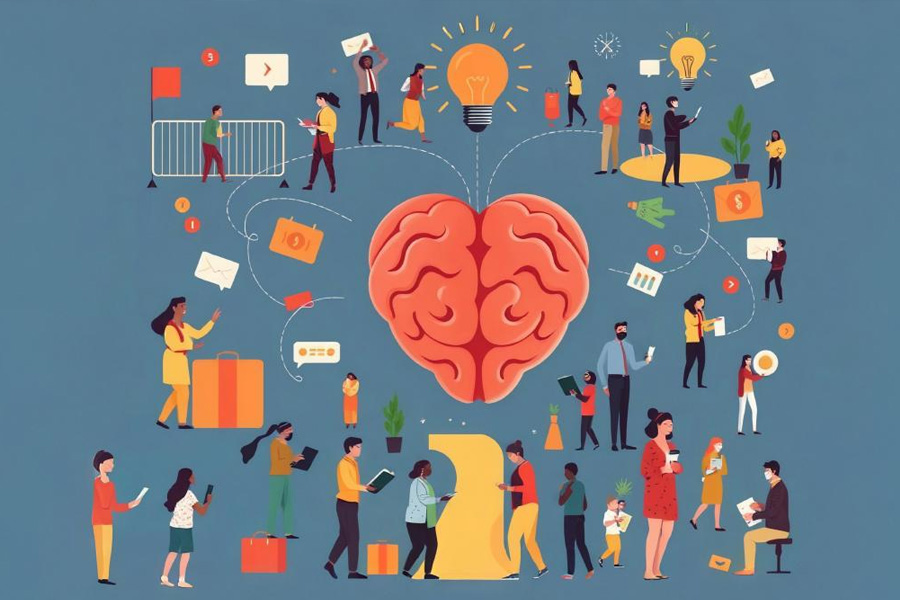
Why Shared Effort Beats Solo Awareness Campaigns
Mental health outreach often fails for a very ordinary reason. It arrives like a guest who never learned the house rules. A polished program shows up with flyers, slogans, and big intentions, but it does not always understand the rhythms of the place it hopes to serve.
Here, teamwork affects everything. Nonprofits provide skilled personnel, planning, instructional resources, and support. Communities contribute trust, memory, local wisdom, and an acute grasp of what individuals are genuinely dealing with after breakfast, before bedtime, and during those long in-between hours when stress loves to tap dance on the brain.
When they operate together, mental health awareness sounds less like a megaphone sermon. It sounds like a chat. People who know the local language, problems, and methods to beg for aid without saying “help me” make the message easier to receive.
Trust Is the Real Front Door
People do not usually march into mental health discussions waving tiny flags and shouting that they are ready to unpack their feelings. Most are cautious. Some are deeply afraid of being judged. Others have spent years hearing that emotional pain should be swallowed quietly like bad medicine.
Trust is what opens the first door.
Communities have trusted personalities in daily life. Teachers, youth mentors, women’s group leaders, shopkeepers with good ears, and health workers who know every household on the lane. This group isn’t ornamental. They often bridge quiet and support.
Recognizing this helps nonprofits. They communicate with the community, not over it. They use recognized faces in workshops, support groups, and awareness campaigns. It suddenly feels like a neighborhood statement rather than a space announcement.
And that matters because people are more likely to open up when the room feels human. Not clinical. Not stiff. Not like a place where one wrong sentence will earn a lifetime membership in the local gossip club.
Local Realities Should Shape the Message
Mental health does not live in a vacuum. It lives in crowded homes, exam pressure, rising bills, caregiving burdens, lonely workplaces, and the strange modern habit of smiling in public while quietly falling apart in private.
That means awareness efforts need to reflect real life. A generic message about well being may sound nice, but if it ignores the daily pressure people are under, it floats away like a balloon with no string.
Community involvement grounds outreach. Locals can identify important issues. In one area, financial stress may dominate. It might be substance abuse, older adult solitude, or student stress. A agricultural community may describe suffering differently than an urban area. Workplace groups may need a different tone than parent support groups.
When programs are built with this kind of input, they become more than technically correct. They become recognizable. People hear themselves in the message. That is often the moment awareness starts doing actual work.
Awareness Works Better When It Feels Natural
Not every useful conversation needs a stage, a banner, and a microphone that squeals at the worst possible moment.
When integrated into daily life, mental health awareness is more accessible. Schools may teach emotional resilience alongside academics. Workplaces can discuss burnout, strain, and balance. Instead of saving stress management for rare special events with dry names, community groups may discuss it at regular meetings.
This approach helps remove the sense that mental health is a dramatic emergency topic only to be mentioned in whispers. It becomes part of ordinary life, which is exactly where it belongs.
A casual but insightful group conversation may occasionally outperform a jargon-filled awareness session. More people interact when the format is familiar. Storytelling, role play, local examples, peer-led conversations, and interactive sessions frequently work better than a lecture that sounds like a committee of fatigued robots.
Community Champions Can Keep the Momentum Alive
One of the smartest ways nonprofits and communities can work together is by nurturing local mental health champions.
These are not professional substitutes. Those link. They observe abnormally silent, overburdened students, withdrawn neighbors, or young individuals bearing too much emotional weight to bench press alone.
With training, community champions can learn how to listen without judgment, respond calmly, identify warning signs, and guide people toward professional support when needed. Their presence makes help feel closer and less intimidating.
Because many individuals delay formal aid, this matters. First, they experiment. Familiar people talk. They inquire hesitantly. They hint. They circle the issue like a cat on a new odd pillow. A skilled community member may detect these times and promote continued discourse.
Fighting Stigma Requires More Than Information
Facts are useful. They are not magic.
A poster can explain anxiety. A workshop can define depression. A pamphlet can list symptoms. But stigma is stubborn. It survives facts because it is often tied to fear, shame, family expectations, and years of misinformation.
That is why reducing stigma takes social effort, not just educational material. Communities have enormous power here. Everyday responses shape whether people feel safe enough to speak. A respectful reaction can encourage someone to seek help. A mocking comment can silence them for years.
Nonprofits may promote this transformation by fostering honest discourse. Empathy may be normalized in communities. That may seem simple: listening carefully, avoiding hurtful labels, treating emotional anguish seriously, and resisting the desire to dismiss every difficulty with a cheery exhortation to be happy.
Sometimes the smallest language changes carry huge weight. When people stop treating mental health concerns as weakness, drama, or bad attitude, the entire environment becomes safer.
Access Must Follow Awareness
There is little value in telling people to seek help if the path to help is foggy, expensive, confusing, or hidden behind ten metaphorical locked doors and one real one.
Awareness should connect people to action. Nonprofits can help by building service pathways such as counseling access, referral systems, helplines, group support options, or community based interventions. But communities play an equally important role in making those pathways visible and usable.
People frequently need encouragement to reach out. They may need help explaining what type of support available, whether it’s confidential, how to start, and why asking for help isn’t a moral failing. Because the message originates from reliable outlets, local networks can propagate it effectively and convincingly.
Access also improves when support is geographically and socially close. The less complicated the first step feels, the more likely people are to take it.
Long Term Partnerships Create Real Cultural Change
Short campaigns can spark attention. Long partnerships change habits.
Mental health awareness is not a one weekend banner exercise. It needs repetition, patience, and room to evolve. Communities change. Their pressures change too. A partnership that listens and adapts stands a far better chance of staying useful.
Nonprofits that remain engaged over time can build stronger relationships, refine programs based on feedback, and support local leadership rather than creating dependency. Communities that take ownership of initiatives help ensure those efforts continue as part of daily life.
That is the deeper goal. Not a brief burst of awareness that fades by next Tuesday, but a steady shift in how people talk, respond, support one another, and seek care.
When that happens, mental health is no longer treated like a secret storm cloud hovering over individual lives. It becomes a shared concern that people know how to address together.
FAQ
Why should nonprofits involve communities in mental health work?
Community involvement makes outreach more trusted, relevant, and practical. Local people understand the culture, the common pressures, and the barriers that keep others from seeking support. That insight helps programs connect more effectively.
What can communities do if they do not have mental health professionals nearby?
Communities can still play a strong role by creating supportive spaces, training local volunteers, encouraging open conversations, and helping people identify available services. Even simple peer support and informed guidance can reduce isolation and help people take the first step.
How do everyday places help mental health awareness?
Schools, workplaces, neighborhood groups, and local clubs make the topic feel normal rather than distant or frightening. When conversations happen in familiar spaces, people often feel more comfortable participating and asking questions.
Can local volunteers really make a difference?
Yes. Trained local volunteers can notice distress early, listen compassionately, reduce stigma, and guide people toward further help. They often become the first safe point of contact for someone who is struggling.
Why is stigma so hard to reduce?
Stigma is tied to social attitudes, fear, and long standing misconceptions. It does not disappear through information alone. It changes when people repeatedly see empathy, respectful language, and open discussion modeled in everyday life.