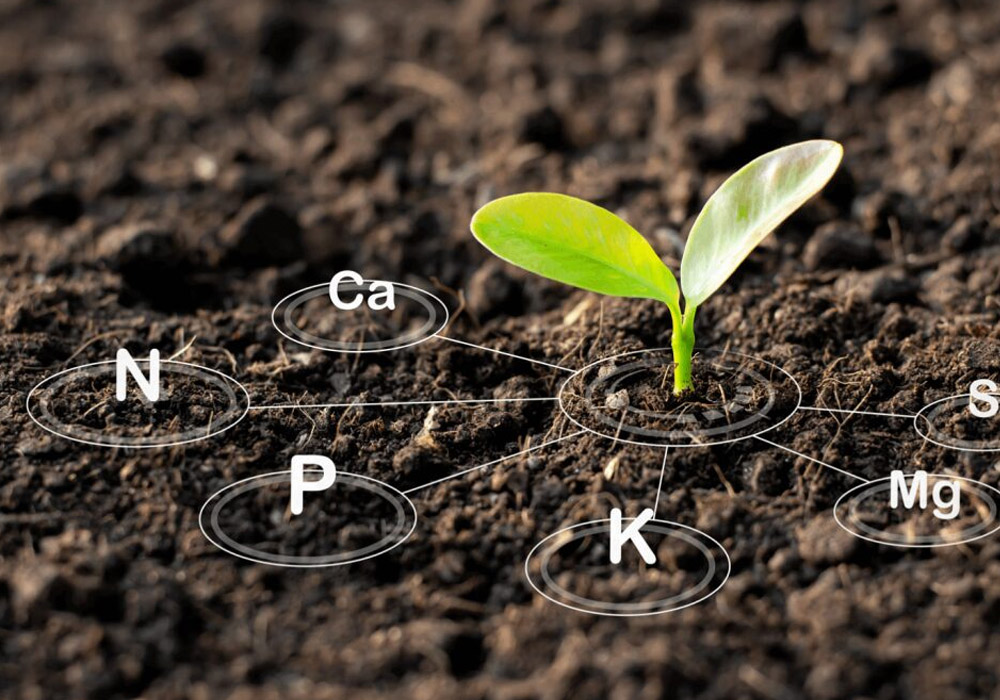
A healthy tree canopy adds shade and visual appeal to both residential homes and commercial properties. With proper soil health, trees can thrive and grow strong, enhancing your landscaping. Professional tree services assist with care and maintenance while following sustainable practices. Here are a few benefits of soil health in arborist practices:
Evaluate Soil Conditions
Healthy tree growth begins with an evaluation of the soil surrounding the root system. Your arborist examines soil structure to determine whether roots have adequate space for development. The site evaluation also identifies drainage issues, nutrient deficiencies, compaction, and other conditions that influence long-term tree health.
Nutrient availability affects how effectively trees absorb the minerals required for growth. Drainage conditions determine whether water moves through the soil properly or remains around the roots. Balanced moisture levels support efficient water uptake and help maintain a healthy root system.
After evaluating your property, the arborist inspects the root zone for compaction, exposed roots, and soil disturbances. A tree service professional also looks for landscaping practices that limit root development. This assessment guides the selection of appropriate soil treatments and maintenance strategies to improve tree health.
Support Tree Health
Healthy soil helps trees absorb water and nutrients more efficiently throughout the growing season. Strong root systems also improve a tree’s ability to withstand changing weather conditions and environmental stress. Plant health programs combine soil treatments with insect management to support long-term tree vitality and reduce factors that contribute to disease development. Insect management programs target pests that damage foliage, bark, and developing shoots. Arborists monitor tree response after treatment and adjust recommendations based on site conditions and tree health needs. Regular evaluations help identify emerging issues early and guide timely care decisions.
Develop Treatment Plans
Every landscape has distinct characteristics that influence tree care decisions. Arborists who provide tree services use site evaluation data to create treatment plans based on the specific needs of the soil, trees, and surrounding environment. Factors such as regional weather patterns and existing tree conditions help determine the most appropriate approach for each property.
Treatment schedules are adjusted based on seasonal changes and observations made during follow-up visits. Arborists document changes across each evaluation to track progress and refine future recommendations. This approach creates a consistent care plan that adapts to the needs of the landscape over time. Treatment options might involve:
- Deep root fertilization: Nutrients are applied below the soil surface, placing them closer to the active root zone for uptake.
- Soil amendments: Organic materials are incorporated into the soil to improve structure and support better moisture retention.
- Moisture management: Drainage and irrigation practices are adjusted to maintain suitable growing conditions for trees.
- Insect management: Targeted treatments are applied to manage pests that affect foliage, bark, and developing shoots.
Monitor Treatment Effectiveness
Follow-up inspections allow your arborist to measure tree response after soil treatments and track changes over time. These evaluations provide insight into treatment effectiveness and help identify areas that require further care. Arborists review tree growth patterns and site conditions during seasonal assessments to determine whether adjustments are needed.
Ongoing evaluations support informed decisions about future maintenance practices and help maintain consistent tree performance throughout the growing season. Regular monitoring provides a record of landscape changes and helps arborists address developing concerns before they become larger problems. By tracking plant performance over time, tree care professionals create a more targeted approach to long-term landscape management.
Support Healthy Landscapes With Tree Services
Healthy soil provides the foundation for stronger roots, steady growth, and long-term tree development. Regular evaluations and ongoing monitoring all contribute to healthier growing conditions across your property. Healthy soil also allows trees to respond better to seasonal and environmental changes. Contact a professional arborist today to learn how tree services support healthy soil.