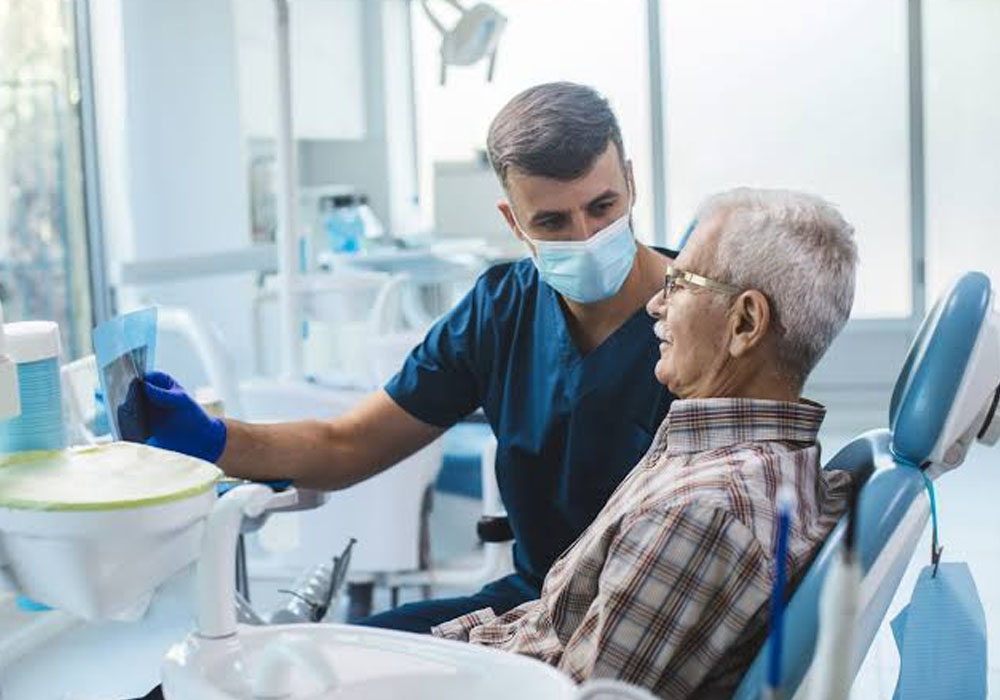
As adults enter their retirement years, health priorities often shift, but maintaining good oral health remains as important as ever. Preventive dental care not only supports a bright smile, but also, research shows, can have far-reaching effects on systemic health and financial security. Retirees, particularly those new to managing healthcare independently, should familiarize themselves with who is eligible for VA dental care and other dental benefit options to ensure they are well prepared.
The connection between oral health and overall wellness grows stronger with age. Simple preventive measures, like regular cleanings and oral exams, can significantly reduce the risk of more serious dental and medical conditions down the road. These practices provide a solid foundation for enjoying retirement in good health and with lower overall healthcare costs.
One common challenge for retirees is the shift from employer-based dental coverage to private solutions, underscoring the importance of preventive care in maintaining quality of life. Without regular dental visits, problems like gum disease and tooth decay may spiral into more severe health concerns, including increased risks for heart disease and diabetes.
Recognizing these connections can motivate seniors to adopt strong oral care habits and seek out resources that keep routine dental care accessible.
Understanding Preventive Dental Care
Preventive dental care involves regular efforts to prevent dental issues before they occur. Standard preventive care practices include professional cleanings, dental exams, diagnostic x-rays, fluoride applications, and educational guidance tailored to an individual’s oral health needs. Practicing effective preventive care at home, such as brushing twice a day with fluoride toothpaste, flossing daily, and maintaining a balanced diet, forms the backbone of a healthy mouth.
These cumulative efforts not only keep teeth and gums in good condition, but they also make it far more likely that any issues will be caught and resolved in their earliest stages, when treatment is simpler and less expensive.
Health Benefits of Preventive Dental Care
The relationship between strong oral health and overall well-being is well established. Here are a few of the primary health benefits retirees can expect by prioritizing preventive dental care:
- Early Detection of Dental Issues:Dentists can spot emerging problems such as cavities, gum inflammation, and even oral cancer before symptoms become severe. This early intervention prevents escalation to more complicated, painful, or expensive treatments.
- Reduction in Systemic Health Risks:Numerous studies have demonstrated links between periodontal (gum) disease and chronic systemic conditions such as heart disease, stroke, and diabetes. Routine oral care and professional cleanings lower the bacterial burden in the mouth, decreasing the risk of complications.
- Improved Quality of Life:Oral discomfort, missing teeth, or gum disease can make eating more difficult and contribute to poor nutrition as well as social withdrawal or lower self-confidence. Regular preventive visits support better function and comfort and foster a higher quality of daily living.
Financial Advantages of Preventive Care
Regular preventive dental care is not only crucial for health but can also significantly benefit retirees’ finances. Addressing dental issues early on with routine care is almost always less costly than waiting until procedures become medically urgent or complex. For instance, the cost of routine cleanings and exams is far lower than emergency extractions, root canals, or advanced periodontal therapy that often result from neglect.
- Lower Treatment Costs:Simple preventive visits or early interventions, such as small fillings, are considerably less expensive and less invasive compared to the alternatives that develop without routine checks.
- Reduced Medical Expenses:Research indicates a direct link between preventive dental care and lower hospitalizations and medical costs, particularly for those with chronic health conditions. By preventing infections and promoting oral-systemic health, retirees may also decrease the burden on future medical expenses.
Challenges in Accessing Dental Care Post-Retirement
After retiring, many individuals find themselves without the dental coverage they previously received through employer-sponsored insurance plans. This common gap poses several challenges:
- Lack of Coverage:Most traditional Medicare plans do not cover routine dental services. This leaves many seniors responsible for out-of-pocket costs or forced to search for separate dental insurance.
- Financial Constraints:Dental expenses can quickly add up, making it hard for retirees living on fixed incomes to prioritize dental care over other essential needs.
Solutions and Resources
Despite these barriers, a variety of solutions and support options are available to help retirees maintain good oral health:
- Medicare Advantage Plans:Some Medicare Advantage plans include dental benefits. Coverage varies widely, so it is essential to compare different options and review plan details closely.
- Standalone Dental Insurance:Purchasing a separate dental insurance plan can help cover routine care, as well as more extensive dental treatments should needs arise in retirement.
- Community Resources:Local health departments, community health centers, and dental schools often provide services at reduced rates or on a sliding scale, helping to offset the cost for those without insurance.
Kiplinger’s resource on Medicare and dental coverage provides additional guidance on finding affordable dental care, outlining nationwide options and common questions for retirees.
Conclusion
Preventive dental care offers retirees a proactive approach to preserving their health, comfort, and financial stability. By understanding its value and seeking out available resources, seniors can reduce the risk of costly dental problems and systemic health issues, making retirement both healthier and more enjoyable. Maintaining regular dental checkups and good oral hygiene habits can help detect potential issues early, when they are often easier and less expensive to treat. Staying informed about available insurance benefits, discount programs, and community dental resources can also make preventive care more accessible throughout retirement.