If you’re thinking about skin tightening, you’re probably not chasing a dramatic makeover. You want firmer skin, cleaner contours, and a face or body that looks a bit more rested without surgery. That makes sense, especially in a place like Long Island City where cosmetic treatments sit next to busy work schedules, long commutes, and limited recovery time. Before you book anything, it helps to know what the treatment can realistically do, who it suits, and what results tend to look like over time.
Skin tightening works by targeting structure, not just surface texture
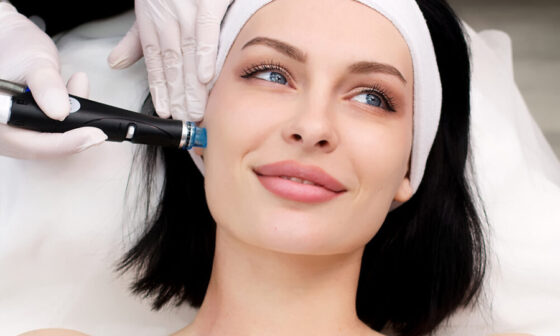
A lot of people assume skin tightening is mainly about making the outer layer look smoother. The real target is deeper. Most modern treatments use controlled energy, often radiofrequency, ultrasound, or laser-based systems, to heat tissue under the skin and stimulate collagen remodeling.
That matters because collagen and elastin give your skin its snap and support. When those proteins decline, you start noticing laxity around the jawline, under the chin, near the eyes, or across the abdomen. For residents of Long Island City skin tightening is a convenient option because of local professionals like those at Little Laser Clinic, where Christine Chen, PA-C, offers personalized non-surgical treatments, including SofWave, RF microneedling, and CO2 laser resurfacing, to help improve skin firmness and elasticity.
You’re not replacing a facelift. You’re improving skin tone, density, and firmness in a way that can look subtle but very polished.
The best candidates usually notice “tired skin” before obvious sagging
You don’t need major skin laxity to benefit from treatment. In fact, many strong candidates are people who just feel their skin has started to look less tight than it used to. You may see softer definition along the jaw, crepey texture on the neck, or skin that sits differently after weight loss.
Age plays a role, but it isn’t the whole story. Sun exposure, genetics, smoking history, sleep habits, stress, and changes in body weight all affect dermal integrity. Someone in their late twenties can notice early laxity, while someone in their forties may still have relatively firm skin.
The sweet spot tends to be prevention plus correction. If your skin still has enough natural elasticity, collagen stimulation treatments often produce more visible improvement than they do on very advanced sagging.
Your consultation should feel more like an assessment than a sales pitch
A proper consultation goes beyond asking what bothers you. The provider should assess skin quality, degree of laxity, medical history, recent cosmetic procedures, and your expectations. They may also look at whether volume loss, pigmentation, or muscle movement is contributing more to the concern than looseness itself.
That distinction is important. Some people think they need tightening when they actually need resurfacing for texture, neuromodulators for dynamic lines, or filler for structural support. A solid treatment plan separates these issues instead of lumping everything into one category.
You should also ask what device or modality is being used, how many sessions are typical, when results usually appear, and what maintenance looks like. If the answers stay vague, the consultation hasn’t done its job.
Different technologies create different experiences and recovery timelines
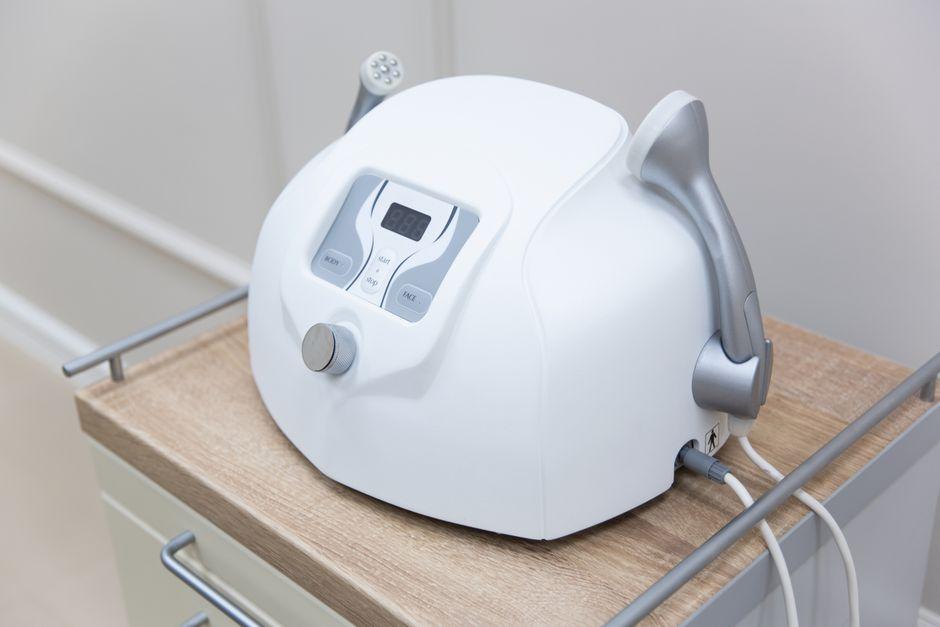
Not every skin tightening treatment feels the same. Radiofrequency-based systems usually focus on thermal stimulation and can range from comfortable warmth to fairly intense heat depending on the depth and settings. Ultrasound-based options often target deeper support layers. Some laser-assisted methods combine tightening with surface benefits.
For you, the practical question is less about brand names and more about downtime, discomfort, and endpoint. Can you return to work the same day? Will you be pink for a few hours or swollen for a few days? Is the plan one stronger treatment or a series of lighter sessions?
Busy patients often prefer options with little social downtime. That’s part of the appeal in dense urban neighborhoods where people want treatments that fit between meetings, workouts, and weekend plans rather than taking over an entire week.
Results are usually gradual, which can be a good thing
If you’re expecting instant, dramatic tightening, you may be disappointed. Many non-surgical treatments work by triggering a wound-healing response that unfolds over weeks to months. Some people notice a small early change from initial tissue contraction, but the bigger shift often comes later as new collagen forms.
That slower timeline can actually be an advantage. Your face or body tends to look refreshed in a way that doesn’t scream procedure. Friends might tell you that you look healthier or more rested without pinpointing the reason.
A realistic benchmark is improvement, not transformation. Sharper lower-face definition, a firmer neck, smoother upper arms, or less crepey skin on the stomach are common goals. The best outcomes look believable under daylight, makeup-free, and at conversational distance.
Aftercare is simple, but your everyday habits still affect the payoff
Most skin tightening aftercare is straightforward. You may be told to avoid heat exposure, intense exercise, harsh actives, or direct sun for a short period. Hydration and barrier-friendly skincare usually help while the skin settles.
The longer-term issue is lifestyle. UV exposure breaks down collagen. Smoking reduces circulation and delays tissue repair. Rapid weight fluctuations stretch the skin repeatedly. Even chronic dehydration and poor sleep can influence how your skin looks after treatment.
You don’t need a perfect wellness routine to get results, but maintenance matters. Daily sunscreen, stable weight, and a skincare regimen with ingredients like retinoids or peptides can support the collagen-building process. Cosmetic procedures don’t erase biology. They work best when your habits stop fighting the treatment.
Combining treatments can make more sense than repeating one thing endlessly
A common mistake is assuming every concern should be solved with more sessions of the same treatment. Skin quality is multi-factorial. You can have laxity, enlarged pores, pigment irregularity, volume loss, and static lines all at once.
In those cases, tightening may be one layer of a broader plan. Someone might pair it with microneedling for texture, injectables for contour balance, or medical-grade skincare for pigment and turnover. The point isn’t to do everything. It’s to match each issue with the right modality.
That approach often saves money and time in the long run. Instead of chasing a single treatment harder, you build a more coherent strategy. Good aesthetic care usually comes from calibration, not excess.