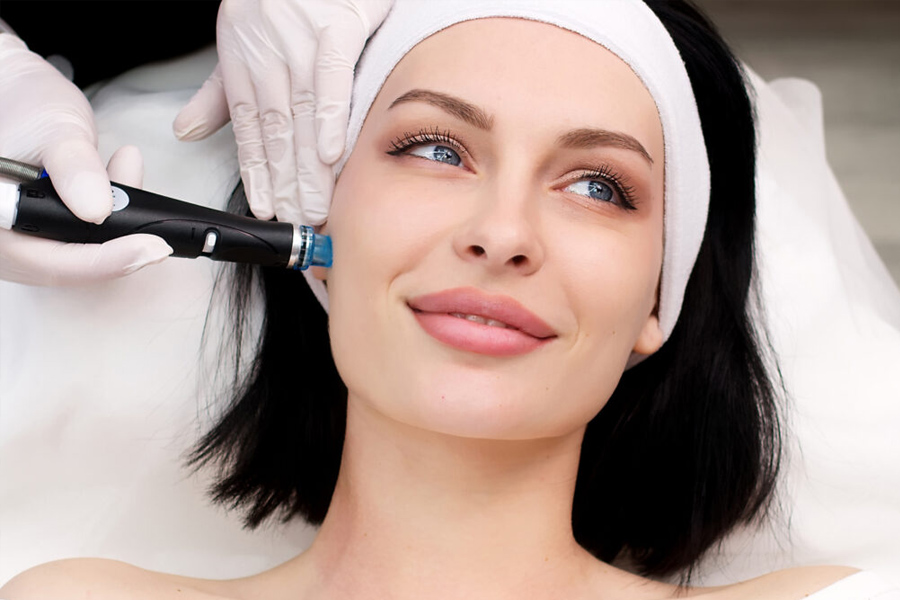
Why Skin Renewal Has Become Such a Big Deal
Skin is dramatic. It appears fat, clear, and proud one week. The next day, it throws a tantrum about stress, sun exposure, bad sleep, or the night you optimistically removed makeup. Because skin remembers life so accurately, many individuals consider rejuvenation treatments when they see dullness, uneven texture, acne spots, or a general lack of bounce.
A frozen or unnatural appearance is not the goal of modern skin regeneration. It is more like encouraging your skin to recall its ambitious behavior. Some therapies cause minor disturbances to encourage healing. Others heat deeper layers to tighten. Some help skin repair after surgery with elegance and less turmoil.
The customization of these therapies is amazing. Different faces desire different things. One individual is trying to soften party-aged acne scars. Another like brightness and smoothness. Someone else is focusing on stiffness since the mirror is adding lines without permission.
Microneedling and the Tiny Poke Strategy
Microneedling sounds intimidating until you realize the concept is surprisingly straightforward. A device fitted with very fine needles creates controlled micro openings in the skin. These tiny punctures are not random acts of chaos. They are carefully made to prompt the skin into repair mode.
This controlled injury induces skin activity. Collagen production rises. Elastin acts. New tissue remodels. This treatment improves acne scars, fine wrinkles, enlarged pores, and rough texture over time. Thus, microneedling puts lazy skin to work with a clipboard.
Treatment depth important. A shallower technique may work for modest textural concerns or early aging. For severe scarring or unevenness, deeper settings are used. A qualified clinician tailors therapy to skin issue, location, and sensitivity.
Most sessions begin with numbing lotion, which is great for those who lose their pain threshold at the sight of a dentist bill or papercut. The process may feel scratchy or heated, but most individuals can handle it. Afterward, redness is typical. You may seem moderately burnt for a day or two, like you fought a beach all afternoon.
Results are gradual rather than theatrical. Skin usually improves in a series, not after a single appointment. That slow build can actually be an advantage because the changes often appear natural and progressive instead of abrupt.
Radiofrequency and the Warmth With a Mission
Radiofrequency is like raising the thermostat in the deeper layers and letting biology do the work, while microneedling is like giving your face a pep talk with tiny pins. This therapy targets tissue beneath the surface with controlled heat to rebuild collagen and improve moderate laxity.
The appeal of radiofrequency lies in its ability to work below the obvious top layer. Surface products can do useful things, but they often do not reach the structural level where firmness begins to slip. Radiofrequency aims deeper, where collagen fibers can be encouraged to tighten and renew.
Some technologies heat skin without breaking it. Others use radiofrequency and microneedles to discharge energy under the external layer. People with textural difficulties and minor sagging might benefit from that combo. Almost like asking the therapy to multitask, it does.
Sessions vary depending on the device and the area being treated. Some people describe the sensation as warm pressure. Others feel brief spikes of heat. Aftercare differs too, but the overall goal remains the same: support the skin as it remodels over the following weeks and months.
Radiofrequency is often chosen by people who want improvement in firmness without jumping straight into more invasive territory. It can fit nicely into a broader skin plan, especially for those who want texture refinement and a tighter look without an extended recovery period.
Exosome Support and the Skin Whisperer Effect
Exosomes are hot in aesthetic medicine for good reason. These tiny messengers transmit proteins, lipids, and signaling substances from cells. In skin care settings, they are often used after procedures rather than as stand alone injectables for facial reshaping.
Like tiny messengers with precise instructions, exosomes race around. They do not relax muscles or create bulk like fillers. Instead, they are often administered after treatments that already stimulate the skin, such as microneedling or laser sessions, to enhance recuperation and foster a better healing response.
This makes them intriguing for post-treatment care. After a regulated surgery, skin heals, and that window important. Supportive biologics may reduce redness, irritation, and healing time. They may help the skin seem fresher and more even over time.
Exosomes may sound futuristic to folks who associate advanced with a lab coat-wearing robot. Their actual duty is backstage personnel, not sci-fi villain. They enhance the primary performance. Star treatments may include microneedling or other energy-based procedures, while exosomes aid skin recovery with less drama.
Choosing a Treatment Based on What Your Skin Is Actually Complaining About
It is easy to get distracted by trendy names and glowing before and after photos. The better approach is to match the treatment to the problem. Skin concerns are annoyingly specific, so the fix should be too.
Because microneedling directly encourages regeneration through controlled micro damage, texture concerns and superficial acne scars generally improve. Heat can assist tighten mild looseness or crepey changes, therefore radiofrequency may be used. Exosome-based solutions may be added as a companion to active procedures to aid recuperation.
Skin tone important. The individual in the chair should choose device and therapy parameters, not a general protocol. Some skin types have higher post-treatment pigmentation alterations. Some respond more. Some take harsh measures well, while others prefer a softer approach or resist for days.
This is why consultation counts. A professional provider examines history, sensitivity, downtime tolerance, and intended goals beyond the headline complaint. One desires progressive polishing with little interruptions. Another would gladly plan red face weekends for tougher discipline.
What to Expect Before and After a Session
The pre-treatment period is frequently less glamorous than the menu suggests. You may be urged to stop using active skin creams, avoid sun exposure, or come clean. Though boring, these processes are necessary. Skin acts better when not inflamed before the operation.
After treatment, patience becomes part of the process. Freshly treated skin may look pink, feel warm, or seem a bit tight. There can be mild swelling depending on the treatment. Hydration, sun protection, and following aftercare instructions matter more than heroic improvisation at home.
This is also when individuals are inclined to examine their skin under harsh bathroom illumination and make emotive statements. Resist the impulse. Benefits often take longer to show on skin. Collagen rebuilding takes time. Construction is sluggish, and workers don’t want to be pushed.
Why Combination Approaches Are So Popular
Single treatments can help, but combo programs frequently improve more because skin problems seldom occur together. Texture, tone, stiffness, and post-inflammatory markings like group travel. Treating one issue may assist, but stacking matching therapies can improve results.
With supportive post-procedure care, microneedling may enhance texture and simplify healing. Laxity and surface abnormalities can be treated with radiofrequency and other modalities in the same season. Order and spacing depend on skin target and provider method.
This layered style is popular because it respects reality. Skin is complicated. It is not a wall that needs one coat of paint. It is more like a fussy garden that responds best when the soil, sunlight, and watering schedule all make sense together.
FAQ
How many sessions does skin rejuvenation usually require
Most people need a series rather than a single appointment, especially for texture concerns, acne scars, or firmness changes. The exact number depends on the treatment type, the severity of the concern, and how quickly the skin responds.
Is there downtime after microneedling
There is often a short recovery period with redness, sensitivity, and a slightly warm feeling. Many people feel presentable within a couple of days, though deeper treatments may require more visible healing time.
Does radiofrequency hurt
Comfort levels vary by device and treatment depth, but many people describe it as a warming sensation with occasional sharper moments of heat. Providers often use techniques or topical numbing to improve comfort during the session.
Are exosomes a replacement for other treatments
No, they are generally used to support the skin after a procedure rather than replace the main treatment itself. Their role is usually to complement healing and recovery, not to create volume or directly tighten tissue on their own.
Which treatment is best for acne scars
Microneedling is often chosen for acne scars because it encourages collagen remodeling in areas where the skin texture has been disrupted. In some cases, combination treatments may be considered when scarring is paired with tone issues or mild laxity.
How soon do results appear
Some people notice an early glow once the skin settles, but the more meaningful changes usually develop over several weeks. Treatments that rely on collagen remodeling tend to improve gradually rather than overnight.