Sudden shifts from chilly mornings to hot afternoons can make any home feel uncomfortable, especially when the HVAC system has not had time to adjust. A few practical checks before the next change in weather can improve comfort, reduce unnecessary wear, and help you spot small issues early. For local support with heating, cooling, heat pumps, ductless systems, and electrical concerns, visit this website. Early attention can also help keep your system running reliably as outdoor temperatures change.
HVAC readiness is not about constantly changing equipment settings or trying to perform complicated repairs yourself. It is about maintaining airflow, keeping equipment accessible, monitoring warning signs, and knowing when a professional diagnosis is the safer choice. These simple habits can make seasonal transitions easier on both your HVAC system and your household.
Why Sudden Temperature Swings Stress HVAC Systems
Rapid weather changes can force a system to switch quickly between heating and cooling, increasing run time and cycling. That extra demand affects components such as the compressor, blower motor, capacitors, relays, and thermostat. Humidity can also change quickly, so a house may feel damp or stuffy even when the thermostat shows the desired temperature. These rapid fluctuations can lead to increased energy consumption and higher utility bills. Additionally, frequent cycling may reduce the lifespan of HVAC components, leading to more frequent repairs. Overall, managing abrupt weather changes is crucial for maintaining a comfortable and efficient home environment.
Start With A Simple Home Inspection
Before a major weather shift, take a slow walk around your indoor and outdoor equipment. Do not remove panels, touch wiring, or attempt repairs. Instead, look for visible clues that deserve attention.
Quick Homeowner Checklist
- Look for water around the furnace, air handler, condensate pump, or drain line.
- Listen for new buzzing, scraping, rattling, or high-pitched sounds.
- Notice musty, burning, or fuel-like odors and treat them seriously.
- Make sure supply vents and return grilles are open and unobstructed.
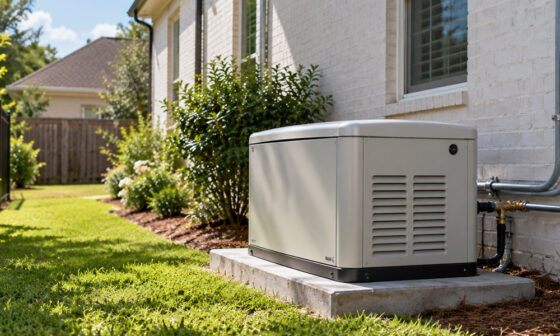
- Check the outdoor unit for leaves, grass, nests, loose panels, or stored items.
- Compare recent utility bills for unexpected increases in energy use.
Check The Filter And Airflow
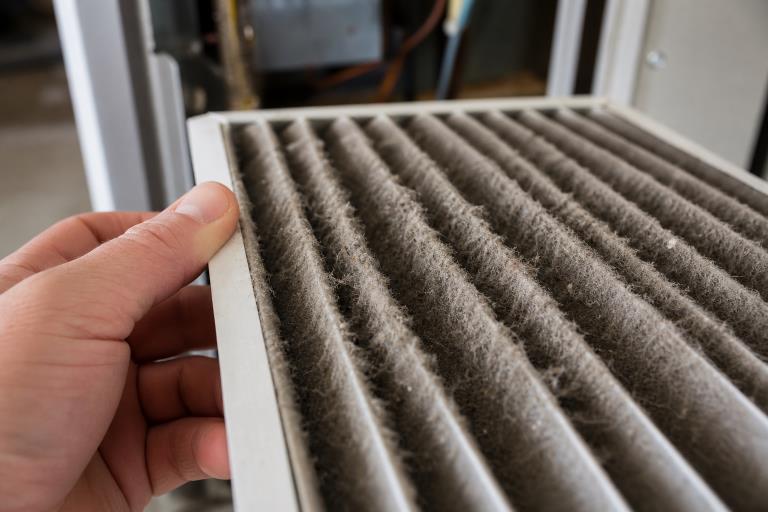
A dirty filter can restrict airflow, make the blower work harder, and reduce heating and cooling performance. Check it monthly during heavy-use periods, then replace it when it is visibly loaded with dust or according to the manufacturer’s recommendation.
More filtration is not always better. A filter that is too restrictive for the system can also reduce airflow. The right type depends on the equipment, household pets, allergies, indoor air goals, and filter rack size. If airflow remains weak after a proper filter change, schedule service rather than repeatedly changing filters or closing vents.
Maintaining balanced airflow is critical for cooling performance during sudden heat spikes. When system components are burdened by improper ventilation or worn mechanical parts, the cooling cycle becomes inefficient. Homeowners who want to maintain stable indoor temperatures can explore more options for professional cooling care to keep their systems running efficiently throughout seasonal changes.
Protect The Outdoor Unit
- Turn off the power at the outdoor disconnect before doing basic exterior cleanup.
- Remove leaves, grass clippings, and loose debris from around the cabinet.
- Keep shrubs, fencing, and stored belongings far enough away to allow airflow.
- Do not bend coil fins, pry into the unit, or use high-pressure water around electrical components.
- Arrange a professional inspection if the coil is heavily corroded, damaged, or packed with debris.
Use Smarter Thermostat Settings
Large thermostat changes rarely create instant comfort. Instead, they can lead to long run times, uneven temperatures, and unnecessary strain. Make modest adjustments and allow the system time to respond. Check thermostat batteries, confirm the clock and schedule are correct, and make sure the thermostat is not exposed to direct sun, a supply vent, or a heat-producing appliance.
Programmable and smart thermostats can help maintain consistent settings around daily routines. Heat pumps deserve special care because aggressive setbacks can trigger backup heat on some systems.
Check Ducts, Insulation, And Air Leaks
Even well-maintained equipment struggles when conditioned air escapes before reaching living spaces. Check accessible duct joints for gaps, disconnected sections, crushed flex duct, or sagging runs. In attics and crawl spaces, look for insulation that is thin, displaced, damp, or compressed.
Seal simple drafts around doors, windows, and plumbing penetrations when it is safe to do so. Persistent hot or cold rooms, or comfort problems across several areas, may indicate duct leakage, poor return-air design, inadequate insulation, or sizing issues. A professional energy assessment can identify issues that are not visible during a basic walkthrough.
Give Heat Pumps Special Attention
Unlike a furnace, a heat pump moves heat rather than creating it through combustion. It may run longer during cold weather, which is not automatically a problem. During winter operation, the outdoor coil can frost over and periodically enter a defrost cycle to clear normal buildup.
Do not cover an operating heat pump. Call for service if the unit develops thick ice, produces weak airflow, makes unusual sounds, or repeatedly relies on emergency heat. Ductless mini-splits can be especially useful for additions, converted garages, and stubborn hot or cold rooms because they provide room-by-room temperature control without extending existing ductwork.
Review Electrical And Safety Concerns
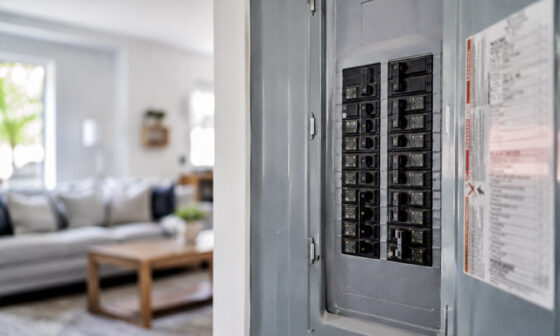
HVAC equipment depends on correctly sized circuits, secure connections, and working disconnects. Flickering lights when the system starts, repeated breaker trips, burning smells, or a buzzing electrical panel are not normal. Do not keep resetting a breaker without identifying the cause.
Homes with furnaces or other fuel-burning appliances should also have working carbon monoxide alarms. Leave the home and seek emergency help for gas odors, smoke, suspected carbon monoxide exposure, or active sparking. Electrical testing, combustion checks, refrigerant work, and internal repairs require qualified professionals.
Build A Seasonal Maintenance Plan
- Early spring:Check cooling, drainage, filters, airflow, and outdoor equipment.
- Early summer:Confirm the system handles longer cooling cycles and controls indoor humidity.
- Early fall:Test heating before the first cold snap arrives.
- Midwinter:Watch for weak heat, ice buildup, unusual sounds, and frequent cycling.
- Anytime:Record filter changes, repairs, thermostat issues, and utility-bill spikes.
Homeowners can safely replace filters, clear access around equipment, open vents, and perform visual inspections. Anything involving electricity, fuel, refrigerant, combustion, damaged coils, or internal components should be left to trained technicians.
Regular professional inspections help identify hidden wear before unexpected weather changes place heavy demand on the system. Partnering with an experienced HVAC contractor ensures that internal mechanical components are thoroughly checked and calibrated for consistent seasonal performance.
Complex operational issues often require direct professional evaluation to ensure all heating and cooling components operate safely and efficiently. Homeowners facing persistent system fluctuations can get in touch with a qualified technician to schedule a comprehensive system evaluation before minor technical concerns lead to unexpected downtime.
Working with a regional technician who understands local weather patterns can ensure equipment is tuned appropriately for seasonal changes. Homeowners in the Pacific Northwest seeking dedicated local assistance can read more here about professional system care and maintenance options. Professional support helps protect equipment health while maintaining consistent comfort year-round.
Regular maintenance reviews can help identify hidden system inefficiencies before they lead to unexpected breakdowns during extreme weather shifts. Working with certified technicians allows homeowners to evaluate overall system health and address minor mechanical issues early. To explore options for keeping your system running efficiently year-round, Learn more about scheduling routine tune-ups and diagnostic checks.
Know When To Call A Professional
- The system turns on and off every few minutes.
- One room remains much warmer or colder than the rest of the house.
- The outdoor unit develops thick ice during normal heating operation.
- Indoor humidity stays high despite steady cooling.
- Water collects around indoor equipment or a drain line.
- The system produces grinding, screeching, buzzing, or rattling noises.
- A breaker trips more than once.
- There is a gas odor, smoke, or suspected carbon monoxide exposure.
A More Reliable HVAC Year
Preparing for temperature swings involves a series of small, useful habits rather than a single major task. Clean airflow paths, basic visual checks, steady thermostat settings, and seasonal maintenance can reduce strain and reveal problems before extreme weather arrives. Handle the simple checks yourself, but seek qualified help for electrical faults, refrigerant concerns, combustion issues, persistent drainage problems, and major airflow trouble.