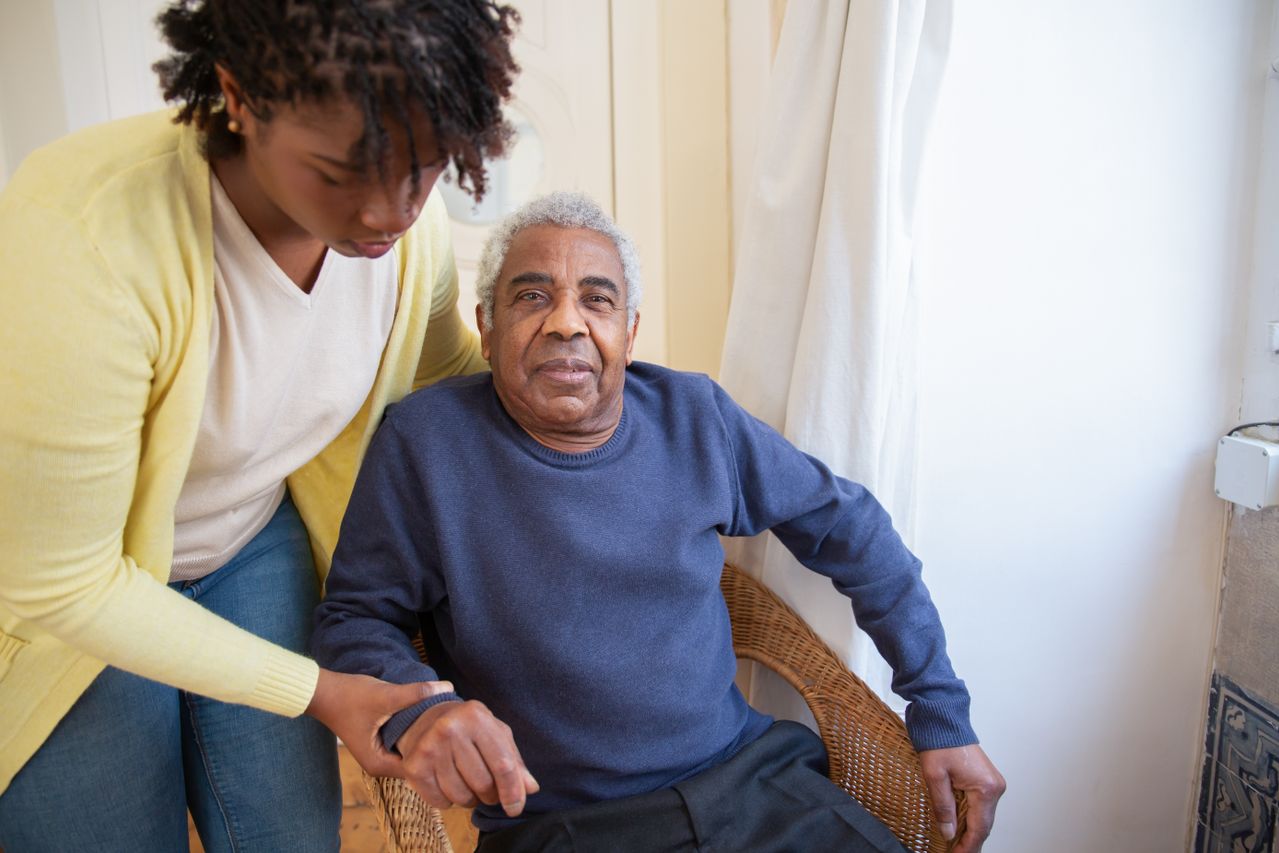
Signs A Loved One May Benefit From Memory Care
Catching the moment a family member needs real help — genuinely hard. These shifts don’t announce themselves. A missed appointment here, a repeated question there. Then one day you’re staring at someone you’ve known your whole life, wondering: is this just aging? Or something that demands a completely different response? Knowing what to watch for can change everything.
Increasing Forgetfulness and Confusion
Misplaced keys? Sure, everybody does that. But drawing a complete blank on a conversation from earlier that same morning — that’s a different animal entirely. Four or five identical questions within a single hour. Total bewilderment on a street they’ve walked for thirty-odd years. Dates stop registering. Familiar places stop clicking. And the practical dangers pile up fast: skipped medications, a burner left running, a front door hanging open at midnight. None of that qualifies as quirky. Worth taking seriously — immediately.
Difficulty With Daily Tasks and Self-Care
Look at the small stuff first. Same outfit three days running. A shower that clearly hasn’t happened this week. Dinner never made — even though cooking was second nature for four decades. Paying bills, sorting prescriptions, balancing a checkbook — tasks that once felt automatic can become genuinely crushing once cognitive decline takes hold. Families often don’t register how much has slipped until they look back at weeks of missed routines all at once. Memory care communities are built around exactly those gaps; residents get consistent support so daily life stops eroding quietly beneath everyone’s feet.
Getting Lost in Familiar Places
Hard to watch. Disorienting for everyone involved. Someone who’s driven that grocery store route for decades suddenly can’t locate it — or worse, can’t find the way home at all. Some get turned around inside their own house, genuinely unsure how to move from the kitchen to the bedroom. Wandering without direction isn’t just worrying; it’s a real safety crisis. It only takes once. Memory care neighborhoods are designed with this in mind — supervised spaces where residents move freely while staying protected, without stripping away every last shred of independence.
Personality Changes and Mood Shifts
Memory loss doesn’t only hit recall. It changes people. Someone patient and even-tempered might turn sharp or volatile — especially when confronted about something they can’t remember. Others retreat entirely, dropping hobbies, skipping gatherings, going quieter by the week. Anxiety and depression tend to follow close behind. That withdrawal reflects something real: the internal disorientation of no longer trusting your own mind. For families exploring options in the Central Valley, Memory Care Living by Fresno offers a community setting with care partners specifically trained in memory support — people who make residents feel understood rather than managed.
Wandering Behavior and Safety Concerns
Wandering is one of the most common reasons families finally make the call. Your loved one slips out at 2 a.m. Or tries to leave repeatedly through the afternoon — agitated, unable to explain why. No destination. Just an urge to move. That’s the unsettling part. Evening hours often make everything worse; care professionals call this sundowning. Memory care communities are built around that reality. Staff redirect and reassure without alarm, without making residents feel trapped or cornered.
Inappropriate Responses or Poor Judgment
Cognitive decline can quietly erode judgment in ways that blindside families. A loved one might misread a social situation entirely, say something wildly out of character, or fail to recognize someone they’ve known for decades. Decisions around money, food, basic hygiene — these can start going sideways too. Not rudeness. Not stubbornness. The brain’s reasoning centers losing ground, slowly. Trained care partners know how to respond without shaming, gently steering toward safer choices. Catching this early gives families breathing room to plan — rather than scrambling after a crisis lands.
Conclusion
None of this is easy to watch. The decision to pursue memory care is deeply personal; it deserves real thought, honest conversation, genuine compassion. But recognizing these signs early opens doors that might otherwise close. Professional memory care communities bring structured routines, trained staff, and life enrichment programs that go beyond managing symptoms — they work to honor who residents still are. If several of these signs feel familiar, start the conversation with your loved one’s doctor. Explore what’s available. Good paths forward exist. And you don’t have to find them alone.