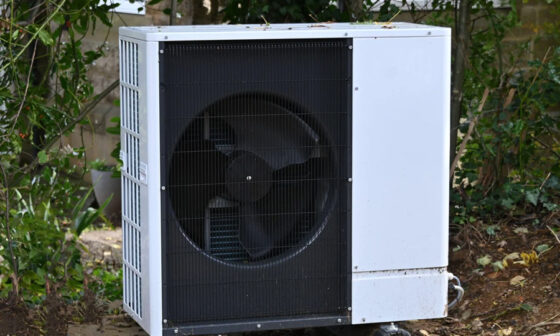
Modern homes place more demands on electrical systems than many older panels were designed to handle. Heat pumps, electric ranges, home offices, workshop equipment, hot tubs, and electric vehicle chargers can all increase a household’s electrical load. When breakers trip repeatedly, lights dim during appliance use, or there is no room for another circuit, homeowners may need a professional assessment. Lon Lockwood Electric helps homeowners identify whether their concerns call for a repair, added circuit capacity, a replacement panel, or a broader service upgrade. A professional Electrical Panel Upgrade in Webster, NY starts with evaluating the system’s actual condition and capacity, rather than assuming that panel age or amp rating alone provides the answer.
Why Electrical Panels Can Become Outdated or Overloaded
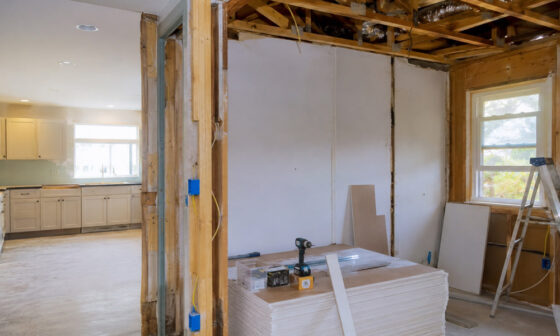
An electrical panel distributes power to the circuits throughout a home and uses breakers to protect them. A panel can still appear functional while lacking adequate breaker space, sufficient capacity, appropriate grounding, or sound internal components for a homeowner’s current plans. Older homes near Webster may have been built when households had fewer major electrical appliances. Renovations completed over many years can also add lighting, outlets, appliances, and specialized circuits without a complete review of the home’s service capacity. Lon Lockwood Electric can inspect the panel and related electrical equipment to help determine what the home can safely support.
Warning Signs That Deserve an Electrical Panel Evaluation
One symptom does not automatically mean a full panel replacement is necessary. However, repeated electrical problems should not be ignored. Lon Lockwood Electric can investigate whether the cause lies with the panel, a branch circuit, wiring connections, grounding, or the electrical load on the system.
- Breakers that trip frequently during normal appliance use.
- Lights that flicker or dim when an appliance starts.
- Burning odors, buzzing, crackling, visible discoloration, or unusual heat near the panel.
- A fuse box or an older panel with limited room for additional breakers.
- Frequent use of extension cords or power strips because permanent outlets and circuits are insufficient.
- Plans to add an EV charger, electric dryer, heat pump, workshop equipment, hot tub, or home addition.
Smoke, sparks, a burning smell, or heat around electrical equipment can indicate an urgent safety issue. Avoid touching the panel or removing its cover, and seek qualified electrical help promptly.
How Lon Lockwood Electric Determines Available Capacity
Panel amperage is important, but it is only one part of the decision. Lon Lockwood Electric can review the service rating, open breaker spaces, breaker condition, visible connections, conductor sizes, grounding and bonding, existing large appliances, and planned electrical additions. This review helps distinguish between a need for a simple circuit solution and a more extensive upgrade. That distinction matters because homes vary widely. Research on electrical panels in U.S. single-family homes published by Lawrence Berkeley National Laboratory in 2026 estimated that 55 percent of panels are rated at 100 amps and 29 percent at 200 amps. The research also estimated that at least 20 percent of panels across all sizes have no available breaker space. A site-specific inspection is more useful than relying on a panel’s age or rating alone.
Does an EV Charger Always Require a Panel Upgrade?
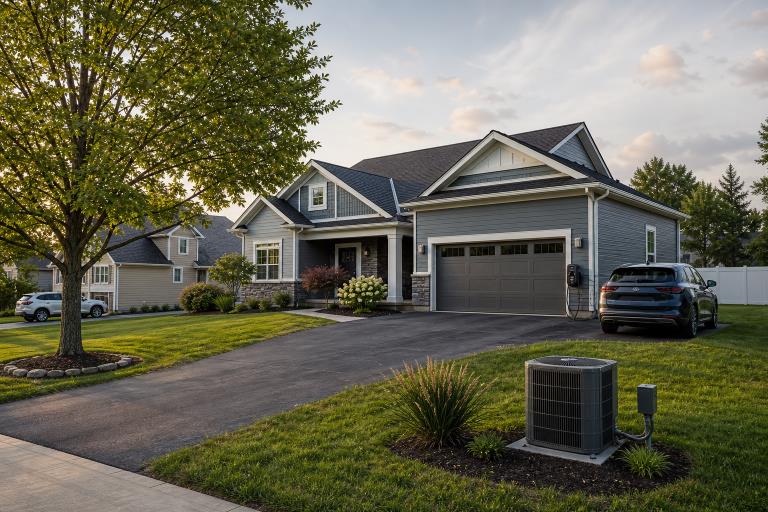
No. Installing an EV charger does not automatically require a full panel or service upgrade. The appropriate approach depends on the home’s calculated load, available breaker space, charger output, equipment condition, and other high-demand appliances already in use. For some homes, Lon Lockwood Electric may be able to add a dedicated circuit without replacing the panel. Other homes may benefit from a lower-output charger, load-management equipment, a subpanel evaluation, panel replacement, or a service upgrade. The electrical-capacity guidance for home EV charging from the U.S. Environmental Protection Agency also notes that electricians can perform load calculations and that load-management systems may help balance EV charging with other household use.
What a Panel Upgrade Can Include
A panel upgrade is more than swapping one metal box for another. After evaluating the home, Lon Lockwood Electric can develop a project scope based on the system’s needs and applicable requirements. Depending on the property, the work may include:
- Reviewing the existing panel, breakers, service equipment, and household load.
- Identifying outdated, damaged, overloaded, or unsafe components.
- Replacing an unsuitable panel with modern equipment when appropriate.
- Improving breaker organization, circuit labeling, and circuit balancing.
- Addressing grounding and bonding concerns that are part of the project scope.
- Adding capacity for planned appliances, renovations, or EV charging.
- Testing the completed work and coordinating permitting and inspections when required.
An upgraded panel cannot solve every electrical issue by itself. Damaged branch wiring, improperly sized circuits, deteriorated service conductors, or deficiencies elsewhere in the electrical system may require additional repairs.
Choosing the Right Solution for the Home
Lon Lockwood Electric can explain practical options after inspecting the property. The best solution should address the homeowner’s actual concern while considering future electrical plans.
- No room for breakers:The solution may involve panel reconfiguration, a subpanel review, or panel replacement.
- Frequent breaker trips:A load review, circuit repair, or correction may be appropriate before assuming the panel must be replaced.
- New EV charger:The home may need a dedicated circuit, load management, more breaker space, or greater service capacity.
- Overheated or damaged equipment:A prompt inspection can identify whether repair or replacement is needed.
- Renovation or appliance additions:Capacity planning can help ensure the electrical system is ready before construction begins.
Preparing for a Panel Upgrade Assessment
Before scheduling service, homeowners can make the evaluation more productive by noting which breakers trip, when lights flicker, and which appliances are running. It is also helpful to prepare a list of planned upgrades, such as electric heating equipment, a remodeled kitchen, workshop circuits, or an EV charger. If the panel’s rating is visible without opening the equipment, record it, but do not attempt repairs or remove the panel cover.
Frequently Asked Questions
How long does an electrical panel upgrade take?
The timeline depends on the panel location, wiring and service conditions, permit requirements, utility coordination, inspection scheduling, and the scope of the project. Lon Lockwood Electric can provide project-specific expectations after evaluating the home.
Does a 200-amp panel guarantee room for an EV charger?
No. A 200-amp panel may offer useful capacity, but the final determination also depends on the home’s existing demand, available breaker spaces, equipment condition, and charger specifications.
Safe, Practical Electrical Capacity for Webster Homes
Outdated or overloaded electrical panels can limit renovations, the installation of new appliances, and everyday reliability. Lon Lockwood Electric provides Webster homeowners with a structured way to evaluate warning signs, identify the source of electrical issues, and choose an appropriate path forward. Whether the home needs a targeted repair, more circuit space, a new panel, or a broader service upgrade, a professional evaluation helps ensure safer, more dependable power for today’s needs and plans.
Conclusion
Modern electrical demands can place additional pressure on residential systems, particularly when homeowners add EV chargers, heat pumps, electric appliances, workshops, or other high-demand equipment. Warning signs such as repeated breaker trips, flickering lights, unusual odors, buzzing, heat, or limited breaker space should be evaluated rather than assumed to require a complete panel replacement. For Webster homeowners, a professional assessment can help determine whether the appropriate solution is a targeted repair, additional circuit capacity, panel replacement, or a broader service upgrade. Reviewing current electrical use alongside planned improvements can also help identify future capacity needs. By addressing electrical concerns through a site-specific evaluation and avoiding do-it-yourself work inside the panel, homeowners can make more informed decisions about maintaining and improving their home’s electrical system.