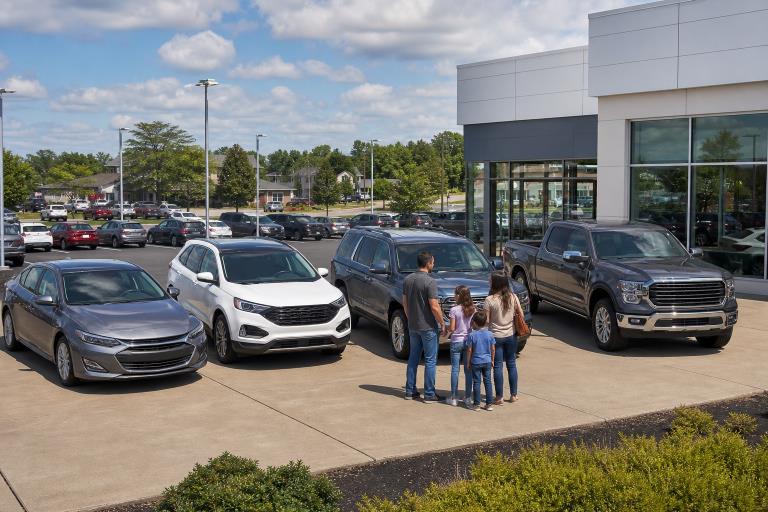
Choosing a vehicle is easier when the decision begins with real life rather than a badge, body style, or advertised payment. The best fit handles your normal commute, passengers, cargo, parking situation, and budget with minimal compromise. When comparing available options and features, learn more about vehicles that may suit the way you actually drive.
A practical choice for one household may be frustrating for another. A compact sedan can be ideal for a solo commuter, while a growing family may need flexible rear seating and cargo space. A contractor may need payload capacity and easy access to tools, not simply the highest advertised towing number.
Why Vehicle Choice Should Start With Daily Use
Before comparing models, look at a typical week. Include commuting miles, school drop-offs, grocery runs, client visits, road trips, parking garages, weather, and weekend responsibilities. A driver who buys a large truck for occasional home projects may later find that fuel costs, tire prices, tight parking spaces, and a wide turning circle create everyday inconveniences. The right vehicle should make routine tasks easier while still handling occasional larger tasks.
Build a Personal Vehicle Needs List
Complete this short worksheet before visiting a dealership, requesting a quote, or applying for financing:
- Count the people who ride in the vehicle most often.
- List what you carry every week, including child seats, pets, tools, sports gear, or mobility aids.
- Estimate average weekly mileage and the share driven in city traffic.
- Record normal road, weather, parking, driveway, and garage conditions.
- Note any towing or hauling needs, including trailer type and frequency.
- Set a realistic purchase budget or monthly payment limit.
- Separate essential features from options that would simply be nice to have.
Choosing Between a Sedan, Crossover, SUV, and Truck
Sedans
Sedans generally offer ease of maneuverability, a lower step-in height, and efficient fuel or electricity use. They often suit commuters, couples, and drivers who mainly carry a few passengers and everyday bags. Their limitations can include smaller cargo openings and less flexibility for large pets, camping equipment, or bulky purchases.
Crossovers
Crossovers balance manageable exterior dimensions with a more upright seating position and a versatile cargo area. They can work well for errands, family travel, and mixed city-highway driving. Check rear-seat legroom, liftgate clearance, and whether folded seats create a useful loading surface.
Full-Size SUVs
Full-size SUVs may offer three rows, substantial cargo space, and stronger towing capacity. The trade-offs often include higher energy use, more expensive tires, larger turning circles, and less convenient parking. Third-row space should be tested with real passengers, not judged from a brochure.
Pickup Trucks
Pickup shoppers should distinguish between light-duty needs and heavy-duty work. Compare bed length, payload, hitch equipment, trailer brakes, and available camera systems. Maximum towing ratings are not necessarily the best everyday workload, especially after adding passengers, tools, accessories, and trailer tongue weight.
Gas, Hybrid, Plug-In Hybrid, or Electric?
Gasoline vehicles remain straightforward for drivers who travel long distances or need frequent refueling in remote areas. Hybrids can improve efficiency without changing refueling routines. Plug-in hybrids make sense for drivers who can charge regularly, take short daily trips, and still want gasoline capability for longer travel. Electric vehicles work best with a reliable charging plan at home, work, or convenient public locations. Weather, highway speed, heavy cargo, and towing can reduce range, so compare your expectations with the information provided in electric vehicle efficiency guidance.
How to Compare Safety and Driver Assistance Features
Separate standard safety equipment from optional convenience technology. Automatic emergency braking, blind-spot alerts, lane-centering support, and adaptive cruise control can assist drivers, but they do not replace attention or safe driving habits. During a test drive, assess camera views, screen placement, warning sounds, and physical controls. Before deciding, review government crash-test ratings alongside features available on the exact trim you are considering.
Space, Comfort, and Cargo: What to Test in Person
Adjust the driver’s seat for the person who will use it most, then check rear legroom and entry access. Bring a child seat, work bag, stroller, sports equipment, or mobility device if practical. Open the trunk or liftgate, inspect loading height, fold the rear seats, and confirm that visibility and seat support remain comfortable after at least 20 minutes behind the wheel.
Budget Beyond the Monthly Payment
Ownership cost includes far more than the loan payment. Account for insurance, fuel or charging, maintenance, tires, brakes, registration, taxes, likely repairs, and depreciation. Compare the estimated first three years of ownership for each finalist, then divide each total by 36 months. That simple calculation makes it easier to spot a lower-payment vehicle that may cost more to own overall.
New Versus Used: Which Path Fits Better?
A new vehicle can offer current safety features, factory warranty coverage, predictable condition, and newer hybrid or electric options. A used vehicle can lower the purchase price, reduce early depreciation, and provide access to higher trims within the same budget. For any used vehicle, review its history report, title status, service records, tires, warning lights, and an independent inspection before signing.
Questions to Ask Before a Test Drive
- Does it fit my usual passengers, cargo, and parking spaces?
- Is the seating position comfortable after 20 minutes?
- Can I see clearly around the vehicle?
- Does the powertrain feel smooth in traffic and at highway speeds?
- Are the controls easy to use without distraction?
- Can it safely handle my expected cargo or trailer load?
- Do insurance, energy, and service costs fit my budget?
Work Vehicles Need a Different Checklist
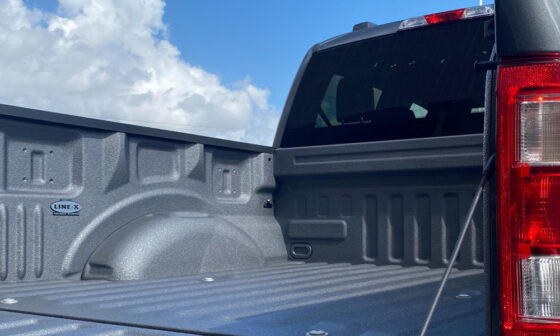
For business use, understand payload, towing capacity, tongue weight, and gross vehicle weight rating. Payload includes people, tools, fuel, racks, toolboxes, bins, and other accessories added to the vehicle. Consider upfitting needs, auxiliary power, protective flooring, service availability, and the cost of downtime. A vehicle that is slightly more expensive but easier to service may be the better business decision.
Common Vehicle-Buying Mistakes to Avoid
- Choosing based only on appearance or a low monthly payment.
- Ignoring insurance, tires, parking limits, and total ownership cost.
- Buying towing capacity that will rarely be used.
- Skipping a thorough test drive and cargo check.
- Assuming every electric vehicle fits every charging routine.
- Failing to compare finalists using the same checklist.
Final Decision Checklist
Confirm that the vehicle fits your daily purpose, passenger and cargo needs, driving habits, safety priorities, budget, and home or work parking space. If buying used, verify history and inspection results. The best vehicle is not automatically the biggest, quickest, or most feature-packed choice. It is the one that supports your real routine with confidence and fewer compromises.