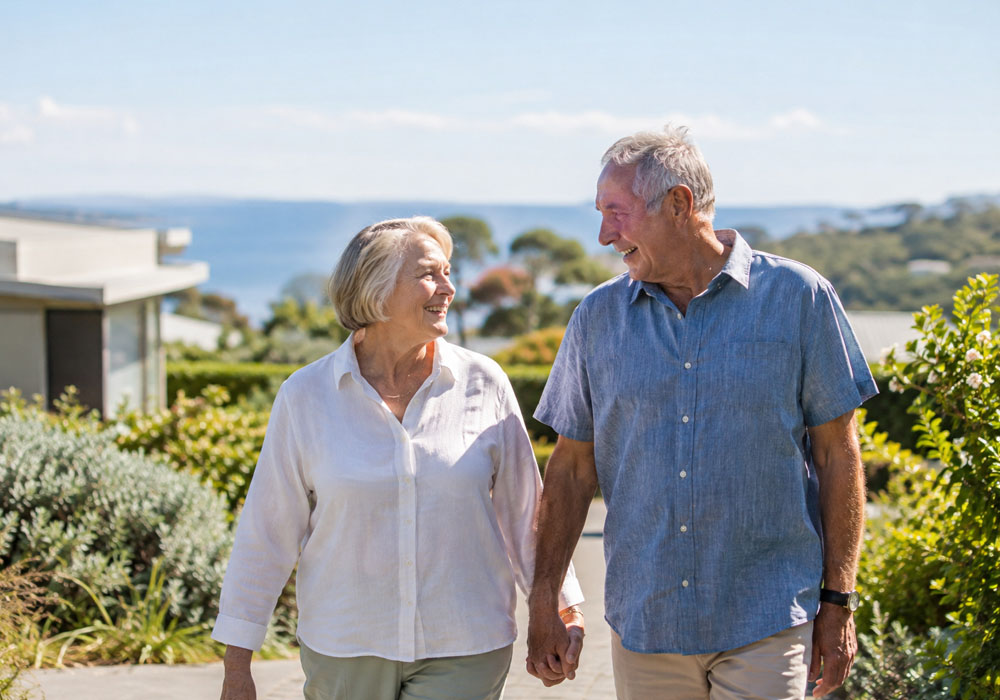
Moving out of a big family home is a huge decision. Most people put it off for years. Then one day the stairs feel too steep, and the garden feels too big. Looking into retirement villages in Mornington often starts right at that tipping point. Australia now has close to 2,000 retirement villages housing around 190,000 residents, and that number keeps climbing every year as the population ages. Mornington sits on the Peninsula, close to the beach, good cafes, and a proper hospital, and that location matters more than most people expect. This guide breaks down what these villages actually offer, what they cost, and who they really suit.
What “Independent Living” Actually Means
Independent living is not a nursing home, and it is not meant to feel like one. Nobody clocks your meals or checks if you showered today. You get your own villa or unit, your own front door, and a daily routine nobody else controls. Staff step in only when you ask them to, not before. Most villages bundle in garden care, building maintenance, and some kind of community hall or clubhouse for movie nights and morning tea. Some run a bus for shopping trips too, which sounds small until giving up your car keys becomes the actual hard part of ageing.
Who Actually Lives There
The average person moving into a village today is 75. The average current resident across the country is 81, closer to 82 in villages that have been open twenty years or more. That is not a guess, it comes from national data collected every year across hundreds of operators. Here is how ages break down nationally right now.
| Age Group | Share of Residents |
| 65 to 74 | 21% |
| 75 to 84 | 46% |
| 85 and over | 33% |
A third of everyone living in a retirement village is 85 or older, still managing independently, sometimes with a bit of extra help brought in privately. That number alone tells you these places are built for the long haul, not a short stopover before something else.
The Money Side, Plainly
Nobody loves talking about fees, but skipping this part helps nobody. Village costs in Australia usually follow a similar shape, and Mornington operators are no exception.
- An entry contribution, paid upfront, sized to the unit and its location
- Ongoing weekly fees covering gardens, insurance, and shared facilities
- A deferred management fee, taken out when you eventually leave, often capped after six to eight years
- Exit and refurbishment costs, which vary a lot by contract, so read that section twice
Get someone independent, not the sales team, to read your contract before you sign anything. I mean that seriously. The deferred fee structure is where most people get caught off guard, because it feels abstract until the day it is not.
Why Mornington Pulls People In
Location carries a lot of the weight here. Mornington sits close to Peninsula Health, a proper shopping strip, and the bay is a short walk from most streets in town. For someone chasing independence without isolation, that mix is hard to beat elsewhere on the Peninsula. Beleura Village sits inside exactly this kind of setup, close enough to Melbourne for a Sunday visit from the grandkids, far enough from the city to feel like an actual change of pace.
My Honest Take
I think independent living villages suit people who are still active but tired of home upkeep, not people chasing full-time care. If you want a nurse on call around the clock, this is not that, and no village will pretend otherwise. If you want your own space, a few decent neighbours, and a lot less lawn mowing, the cost earns its keep. That is a judgment call only you can make, but the numbers and the lifestyle on the Peninsula both point the same direction for a lot of retirees weighing this up right now.