A puddle under the air handler, a stain near a return grille, or a drip through the ceiling on a humid day can leave homeowners wondering who to call first. Is it an HVAC repair, a plumbing issue, or even an electrical fault tripping a component? Acting on the right clues matters, because the wrong guess can waste time while moisture seeps into drywall, promotes bacterial growth, and threatens controls or wiring. This article shows how to read the signs, perform a few safe checks, and decide whether to start with HVAC services, Plumbing, or, in some cases, an electrician.
Clues That Point to the AC, Not the Pipes
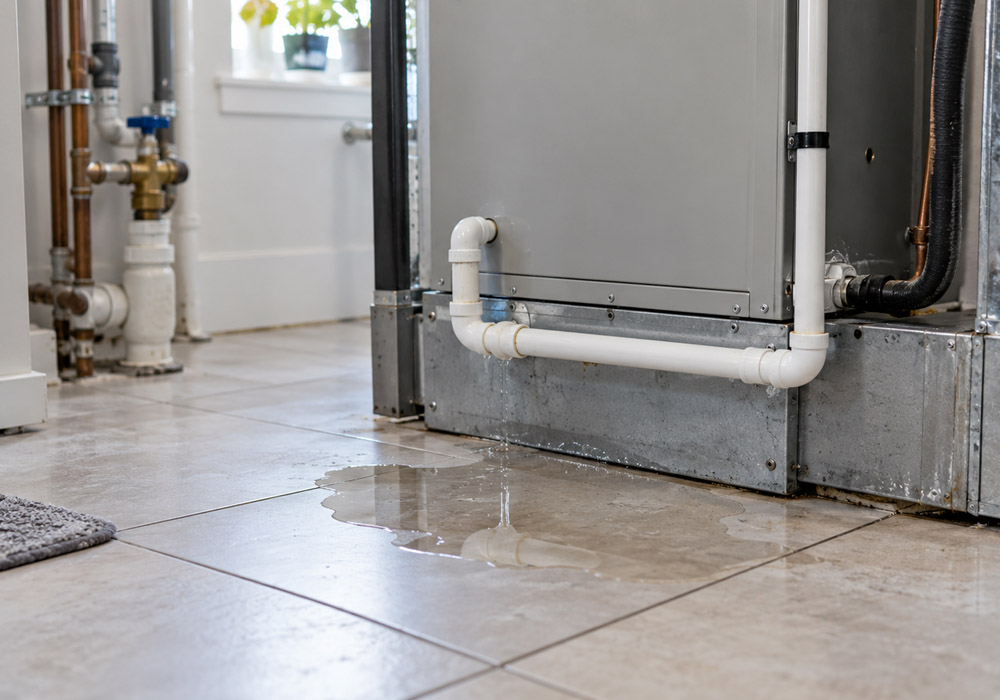
Water that appears only while the AC is running usually traces back to the condensate system. Look at the secondary drain pan under the air handler, the PVC condensate trap, and the discharge line termination outdoors. If the pan is overflowing or the float switch has shut the system down, debris or bacterial growth likely restricts the drain line. Another pattern is a frozen evaporator coil: a dirty or overly restrictive air filter can choke airflow, the coil ices over, and when it thaws, the pan floods. You might also see the suction line insulation dripping if warm room air is infiltrating the cabinet.
If the condensate line ties into a sink tailpiece, laundry standpipe, or floor drain, a clog in that shared connection can back water toward the air handler, which looks like an AC leak but is solved by clearing the drain. Homeowners searching for help, including phrases like plumbing in Bartlesville, often discover that clearing the shared drain restores normal AC operation. At the same time, the HVAC side still needs a proper trap, slope, and cleanout to prevent a repeat.
Clues That Point to a Plumbing Supply or Drain Problem
Leaks that continue even when the thermostat is off usually belong to plumbing. Check for a constant drip at a shutoff valve, a wet cabinet bottom under a sink, or a braided supply line with corrosion at the compression fitting. If a ceiling stain grows overnight without the AC running, a toilet wax ring, tub drain, or shower pan may be suspect. Gurgling drains or a noticeable sewer odor sometimes signal dry P traps, which can happen when a leaky return duct pulls negative pressure on the room and evaporates trap seals or when a condensate connection lacks a proper trap and air gap.
Consider two quick tests. First, watch the water meter with all fixtures off; if it spins, you have a supply leak. Second, put dye in a toilet tank to see if color seeps into the bowl, which flags a running toilet. A common scenario: an upstairs bath waste line drips onto the ceiling near an attic air handler, making it look like an AC overflow. Another: a washing machine standpipe backs up during a rinse cycle, and water drips along nearby ductwork, masking the true source as an “HVAC” problem.
Quick, Safe Checks Before You Call
If you suspect the AC, turn the thermostat to Off and the fan to On for 30 to 60 minutes to thaw a frosted coil. Inspect and replace a clogged return filter, especially if you recently upgraded to a high MERV filter that may be too restrictive for the grille size. Locate the condensate cleanout and flush it carefully with warm water; a wet/dry vacuum at the exterior drain termination can help clear soft buildup. Verify the float switch in the secondary pan moves freely, and check the condensate pump (if present) for a stuck check valve or a kinked discharge tube. These steps solve many HVAC repair calls related to drainage.
Work safely around electrical components. If the breaker for the air handler or outdoor condenser trips, do not reset it repeatedly; persistent trips point to electrical issues that may require an electrician. A GFCI-protected outlet that powers a condensate pump can also trip if the pump motor is failing or if moisture has entered the plug. If you suspect a supply-side plumbing leak, close the nearest fixture shutoff or the main water shutoff to limit damage while you arrange professional help. For drain-related issues, avoid chemical openers that can damage traps and create hazardous fumes in tight mechanical spaces.
Who to Call First: A Simple Decision Tree
Use timing and location to decide. If water appears only during cooling cycles, start with AC repair. If the leak persists with the HVAC system off or localizes under a sink, tub, or toilet, call a plumber. If breakers or GFCI devices trip when the system or the condensate pump runs, involve an electrician. When a condensate line ties into a plumbing drain, and you notice slow sink drainage or gurgling when the AC runs, call a plumber first to clear the shared drain, then schedule HVAC services to add a proper trap, air gap, and cleanout so venting and siphon effects don’t return.
There are trade-offs to weigh. A gravity drain is simple and quiet but requires continuous downward slope and a clear termination; a condensate pump overcomes poor elevation but adds moving parts, periodic cleaning, and a power source that may need GFCI protection. Tying condensate into a plumbing stack (where allowed) keeps water inside, but it must include a trap and air gap; a dedicated exterior outlet avoids cross connections but needs insect protection and must remain visible for maintenance. Choose the approach that fits the layout, service access, and long-term reliability.
Plan During AC Installation to Prevent Leaks Later
Good details during AC installation prevent most headaches. Confirm the air handler is level and set over a secondary drain pan with a working float switch. The PVC condensate line should have an accessible cleanout tee, a proper trap, and consistent fall, roughly a quarter inch per foot, to discourage standing water. Insulate the suction line to prevent sweating, and route the drain where you can see it discharge. On the airflow side, match the filter size to the return grille and keep duct static pressure within the equipment’s specification so the evaporator coil doesn’t operate on the edge of freezing.
When a plumber is involved, ask for a code-compliant tie-in if the condensate must connect to a drain: include an air gap and trap, avoid flat runs that invite sludge, and keep a cleanout accessible. If equipment sits in an attic, consider routing the pan drain to a conspicuous location, such as above a window, so you notice overflow quickly. For whole-home upkeep, schedule seasonal HVAC services to flush the drain line, test the float switch, and verify pump operation, and plan periodic plumbing inspections of traps and shutoff valves. Controlling humidity and promptly clearing standing water reduces bacterial growth inside drain pans.
Water on floors or ceilings rarely announces its source, but its behavior usually does. Track whether moisture appears only with cooling cycles, note where it collects, and run the simple checks above before you call. Start with AC repair when the condensate system is the likely culprit, with Plumbing when fixtures or drains are involved, and with an electrician for repeated electrical trips. Building these habits into routine maintenance and confirming key details during AC Installation will protect finishes, prevent musty odors linked to bacterial growth, and help every trade address the right problem faster.