Turning the Yard Into the Most Popular Room in the House
After school, the backyard becomes family real estate instead of that patch of grass everyone overlooks in February. It becomes a food station, race track, party venue, reading nook, and, if things go crazy, a location where people question where the insect spray went. A well-planned outdoor setup may make long summer days simpler and more enjoyable for everyone.
Best family yards aren’t usually huge or fancy. They work hard without appearing ambitious. They encourage people to relax, enjoy grilled food, and remain outside longer. Kids see thrills. Adults get one peaceful moment before someone yells about a hose.
A backyard designed with real family life in mind does more than look attractive. It supports the daily rhythm of summer. Morning coffee can happen in one corner while sidewalk chalk masterpieces spread across another. Lunch can drift outside without a production. Even ordinary evenings feel upgraded when there is a comfortable place to gather under the open sky.
Creating Activity Zones Without Making the Yard Feel Fussy
One of the easiest ways to improve a family backyard is to give it a loose sense of order. Not the kind that feels strict or overplanned, but the kind that helps people naturally use the space. Think of the yard as a tiny outdoor neighborhood. Each part has a job.
Dining areas provide a home basis. This does not require a designer table from a secret highland community. A solid table, ample chairs, and space to move around without chair gymnastics can do the trick. Better if the grill or serving area is nearby. Nobody wants to carry six burgers through toys and folding chairs.
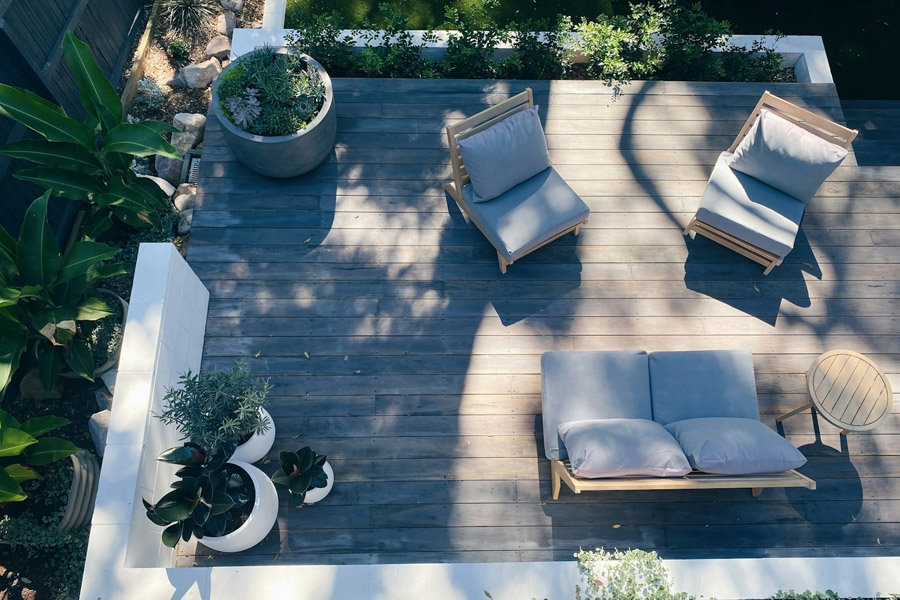
A sitting area is essential to summer idleness. This is when adults pretend to supervise while finishing a discussion. A hammock, deep rockers, or padded benches may make an empty spot a destination. The more pleasant it seems, the more likely people are to utilize it instead of nervously loitering in the doorway.
A play zone channels childhood energy. This space should feel secure and visible, whether it has a sandbox, splash table, climbing structure, or wide lawn for cartwheels and theatrical games with no rules. Parental relaxation increases when they are not craning their necks like spy lifeguards.
Making Comfort the Secret Weapon
Families often focus on what the backyard should do, but comfort is what makes people actually stay there. If seats are hard, shade is scarce, and the afternoon sun feels like a personal attack, the great outdoor hangout loses its charm quickly.
Shade alters everything. Relief from direct sun makes a yard more useable all day. Covered patios, pergolas, huge umbrellas, and shade sails keep people cool without melting into their sandals. One well-shaded sitting area may greatly increase space usage.
Soft touches matter. The yard may feel like an extension of the home with outdoor cushions, washable carpets, and lightweight blankets instead of chairs from a forgotten resort pool. Texture matters. It gives warmth and charm and lets people relax.
Air movement is another overlooked hero. In still summer heat, a covered patio fan might feel like a blade miracle. Planning seats to catch a breeze in open spaces may make a big impact. Comfort is subtle but profound. It subtly makes everyone stay.
Keeping the Space Safer Without Making It Boring
Safety in a family backyard should never feel like a gloomy list of restrictions. It should feel invisible, built into the design so well that it supports fun instead of interrupting it.
Pay attention to ground surfaces initially. Wobbly stones, splintering planks, slippery places, and sudden holes destroy afternoons. Smooth, sturdy walking paths let toddlers, grandparents, and food carriers move safely. A backyard shouldn’t need circus balance.
Boundaries help too. Fences, gates, and play area boundaries help organize. They minimize the requirement for 17 warnings each hour from adults. Cooking equipment, fire features, and water features should have space around them in the yard. Summer parties are fun enough without kids running past a sizzling grill for a bubble wand.
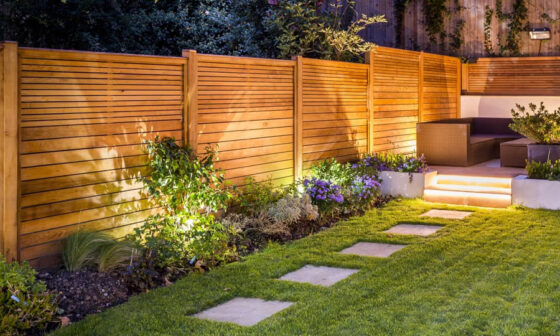
Lighting deserves a standing ovation. It is part safety feature, part atmosphere machine. Well lit paths, steps, and seating areas make evening use easier and more pleasant. Nobody wants a backyard party to end with a twisted ankle and a dropped plate of watermelon.
Choosing Materials That Can Survive Real Family Life
There is outdoor design, and then there is outdoor design that can survive juice spills, muddy feet, dog zoomies, and a birthday party involving twelve children with sticky hands. Family backyards need materials with stamina.
Grounds that require less upkeep generally win. Durable decking, pavers, and furnishings lessen the need to clean, repair, and maintain. Making a museum display is not the purpose. Make it safe to consume popsicles if someone drops one.
Easy cleaning matters more than many people expect. Summer is messy by nature. There will be crumbs. There will be drips. There may be mysterious smears no one claims responsibility for. Materials that wipe down quickly and recover gracefully are worth their weight in lemonade.
Durability also helps the yard look better over time. A family space that holds up through seasons of heavy use feels more generous and reliable. It keeps saying yes to game nights, cookouts, and lazy Sunday afternoons.
Adding Personality So the Yard Feels Alive
A practical yard is great. A practical yard with character is even better. The most memorable family outdoor spaces have little details that make them feel cheerful, relaxed, and slightly magical.
Much of this may be done via lighting. String lights overhead make even a weeknight supper feel festive. After dusk, lanterns, solar path lights, and deck lighting create a cozy environment. Finally, the yard feels like everyone wants to be, not the rear of the home.
Plants also help soften the space. Fragrant herbs, bright flowers, and leafy containers bring movement, color, and life. They can also help define areas naturally without making the yard feel boxed in. A few well placed planters can make a patio feel intentional rather than accidental.
Small surprises are especially fun in family spaces. A chalkboard wall, a bird feeder, a giant outdoor game, or a tucked away bench under a tree can give the yard personality. These details create little moments people remember. Not every feature needs to be serious. Summer certainly is not.
Setting Up for Gatherings Without Turning Hosting Into a Marathon
Family backyards often become party central the minute summer begins. Birthdays, cookouts, neighborhood drop ins, and last minute dinners all seem to multiply once the weather turns friendly. A yard that supports hosting makes these events feel easier rather than exhausting.
Flexible seating is a huge help. Benches, stackable chairs, and lightweight options that can move around quickly allow the space to adapt to different group sizes. One evening may call for a quiet family meal, while the next brings a crowd large enough to empty the snack table in seven minutes.
A serving area simplifies everything. This does not need to be elaborate. It just needs to reduce the number of trips in and out of the house. A small cart, side table, storage bench, or outdoor cabinet can hold plates, napkins, drinks, and all the tiny essentials people somehow always forget.
Open space matters too. Even in a furnished yard, leaving room for movement keeps gatherings comfortable. People need places to stand, talk, carry food, and let children whirl around at top speed for reasons known only to them.
Building Routines Around Outdoor Living
A well designed yard is not only for special events. Its real magic appears in everyday use. When outdoor spaces are comfortable and convenient, families start building habits around them.
Breakfast on the terrace becomes usual. Evening walks conclude with many more minutes outside. Kids naturally go outside instead of lounging on the couch when they have time. After supper, parents relax in lawn chairs while the sky changes color and someone heroically pursues fireflies.
These habits make the backyard precious. Not only the gorgeous furniture or sophisticated arrangement, but how the area encourages socializing without forcing it. Good outdoor design aids living. It enjoys loudness, leisure, celebration, and garden hose mishaps.
FAQ
What is the best first step when improving a family backyard
Finding out how the area will be used most is the greatest first step. Some families desire outside dining and relaxed hosting, while others seek active play space. Once the major goals are obvious, choosing seats, surfaces, shading, and arrangement concepts for daily living is easy.
How can a small backyard still work for a big family
Each region with a purpose may make a tiny yard work well. Built-in seats, vertical planters, collapsible tables, and compact furnishings conserve space and keep it useful. Avoid clutter and provide room for mobility, play, and collecting.
What outdoor features make summer easier for parents
Shade, comfortable seats, sturdy surfaces, and play area visibility make a big impact. Parents appreciate the yard more when they can rest while watching. Easy storage for toys, towels, and outdoor items reduces everyday stress.
How do you make a backyard feel inviting at night
Layered lighting works wonders. String lights add warmth, pathway lights improve visibility, and soft accent lighting helps define seating or dining areas. Even simple lighting can make the yard feel cozy, festive, and ready for evening use without requiring a major redesign.
Which materials are most practical for family outdoor spaces
Weatherproof, easy-to-clean, and heavy-duty materials are typically best. Busy families benefit from surfaces and furniture that can withstand spills, wetness, sun exposure, and foot traffic. Practical decisions save time and keep the room appealing all season.