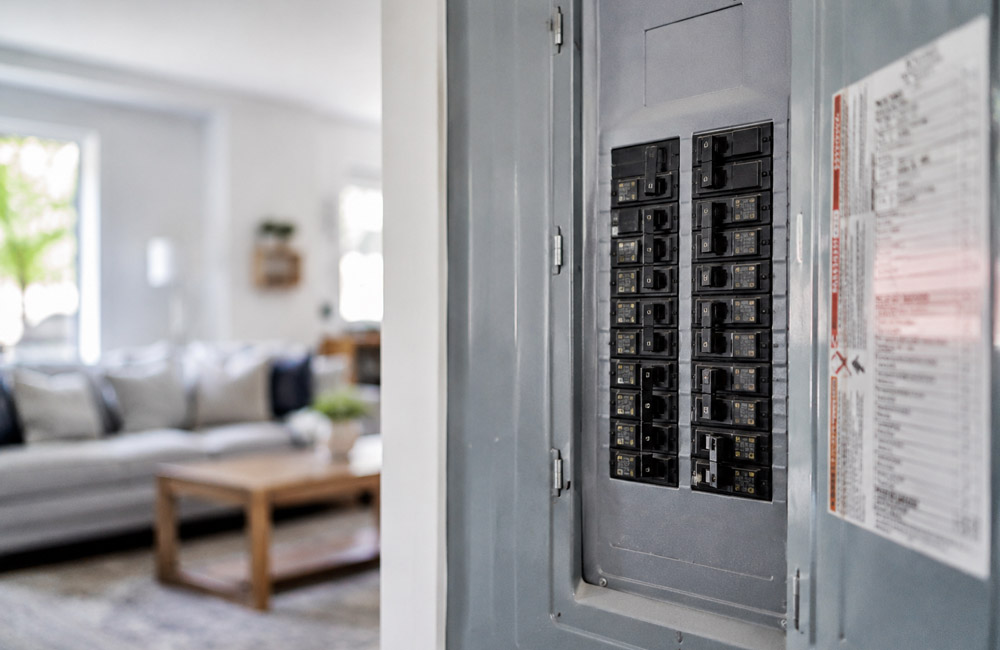
Flickering lights, a breaker that will not stay on, or a bathroom outlet that suddenly goes dead are more than annoyances. In a home’s wiring, those symptoms can signal overloads, loose connections, moisture intrusion, or insulation damage. Vancouver’s wet winters and warm, appliance-heavy summers can stress older circuits and outdoor receptacles. This guide explains what common signs usually mean, how to gather useful details before a visit safely, and which issues call for an immediate shutdown. The goal is not to turn you into an electrician, but to help you recognize patterns, avoid risky guesswork, and communicate clear observations that speed a professional diagnosis.
Early Electrical Symptoms That Point to a Developing Fault
Repeated breaker trips on the same circuit, a GFCI that will not reset, or lights that dim when a microwave or space heater starts are classic red flags. Warm faceplates, a faint buzzing at a receptacle, or a sharp, acrid odor near a switch indicate poor contact or arcing. Exterior outlets that trip after rain often signal water inside an in-use cover or box. Many homeowners call on licensed electricians offering electrical troubleshooting services in Vancouver, WA when these patterns persist, especially if tripping frequency increases or heat is present.
A realistic scenario: a bedroom’s 15-amp breaker trips whenever a 1,500-watt space heater runs with the TV and lamp on. That is likely an overload on a shared general-lighting circuit. A common mistake is replacing the breaker with a larger size. Doing so can allow undersized conductors to overheat inside a junction box or at a backstabbed receptacle, turning a nuisance into a fire hazard.
What Those Symptoms Usually Mean Inside the Circuit
Different symptoms point to different failure modes. A breaker that trips immediately after being reset often indicates a direct short between hot and neutral at a device, a cord cap, or a nicked conductor. A GFCI trip without visible damage suggests a ground fault, frequently caused by moisture along an outdoor run or inside a bathroom light housing. Persistent flickering or half-bright, half-dim lighting suggests a loose neutral in a receptacle, wire nut, or multi-wire branch circuit. Buzzing at a switch or a warm dimmer plate can indicate a loose terminal screw, an overloaded dimmer controlling too many watts, or failing internal components.
Arc-fault circuit interrupters (AFCIs) trip on signatures that look like arcing. True arcing can come from a loose stab-in connection on the back of a receptacle, a damaged lamp cord under a chair leg, or a wire staple that bit into insulation. Nuisance trips can happen with certain older electronics, but treat any pattern of arcs seriously. In Vancouver’s older homes, long circuit runs can add voltage drop, so motors like vacuums or refrigerators may cause more noticeable dimming when other loads share the same run.
Safe Checks You Can Do Before Calling
Start with isolation and observation, not disassembly. Map what the tripping breaker feeds by turning it off and seeing which lights and receptacles go out. Unplug high-wattage devices like space heaters, hair dryers, and portable AC units from that circuit and see if the breaker holds. Press the “Test” and “Reset” buttons on GFCIs in garages, bathrooms, the kitchen, and outside; a wet upstream outdoor GFCI can cut power to indoor outlets. Inspect exterior in-use covers for cracked gaskets and look for water beads inside the cover or box after rain.
Use a non-contact voltage tester to confirm an outlet you thought was dead is truly off before touching anything. Note the breaker’s amperage rating and the approximate wattage of appliances involved. Do not remove a panel cover or reach past service conductors. If you smell burning or see scorching on a device, keep the circuit off and leave the cover in place so a technician can see the device in its undisturbed condition. Photos of the panel directory and the tripping breaker can also help the pro plan parts and time.
What Licensed Electricians Test During Troubleshooting
Pros bring tools and methods that go beyond what homeowners can do. A clamp meter measures inrush and running current on the suspected circuit to confirm an overload or a failing motor. A multimeter verifies voltage on hot, neutral, and ground, catching open neutrals and high-resistance connections. A circuit tracer locates hidden junction boxes in attics or crawlspaces when a splice is suspected. For GFCI problems, a plug-in analyzer checks polarity, ground continuity, and GFCI trip response at multiple points to identify where moisture or damage first appears.
Inside the panel, a technician can test the breaker, examine terminations for discoloration, and check lug torque. Thermal imaging can reveal a hot wirenut in a ceiling box or a warm breaker under load. If repeated nuisance AFCI trips occur, the electrician may isolate a problematic receptacle, move a shared neutral to a compatible device, or replace backstabbed connections with properly torqued screw terminals. If appliances routinely overload a circuit, adding a dedicated 20-amp small-appliance circuit or a separate heater circuit may be the long-term fix.
Preventing Repeat Trips in Vancouver’s Wet, Seasonal Climate
Moisture control is crucial here. Replace broken in-use covers with extra-duty, weather-resistant models, and ensure gaskets seal against the siding. Caulk where the cable enters the exterior boxes, and replace cracked fixture gaskets on the porch and soffit lights. In bathrooms and laundry areas, keep GFCI receptacles and AFCI breakers up to date and test them monthly using the built-in test button. Indoors, move high-wattage space heaters to a dedicated receptacle on a lightly loaded circuit, and avoid stacking power strips or daisy-chaining surge protectors. Replace worn receptacles that no longer grip plugs tightly to reduce heat at blade contacts.
Electrical symptoms are your home’s way of asking for attention. Capture clear details, keep safety first, and avoid “quick fixes” like oversizing a breaker or taping a GFCI closed. Short-term workarounds, such as unplugging a heater or using a different outlet, can help you stay safe in the meantime. Still, lasting reliability often requires a dedicated circuit, repaired splices, or upgraded weatherproofing. With good observations and the right on-site testing, you can trace most persistent trips, flicker, and dead outlets to a specific point and resolve them before they cause costly damage.