Thunderstorms, freeze-thaw cycles, and summer humidity put Hanover roofs to work. When water spots appear on a bedroom ceiling, or wind peels back a few shingles, the first question is practical: is a targeted repair enough, or is it time to re-roof? The answer depends on what has failed and how widespread the wear is. Looking beyond surface cosmetics to elements like underlayment, flashing, ventilation, and the roof deck helps you avoid paying for fixes that don’t last or postponing a replacement that shouldn’t wait. Use the checks and comparisons below to frame a confident request for a professional evaluation.
Repairable Problems on an Otherwise Sound Roof
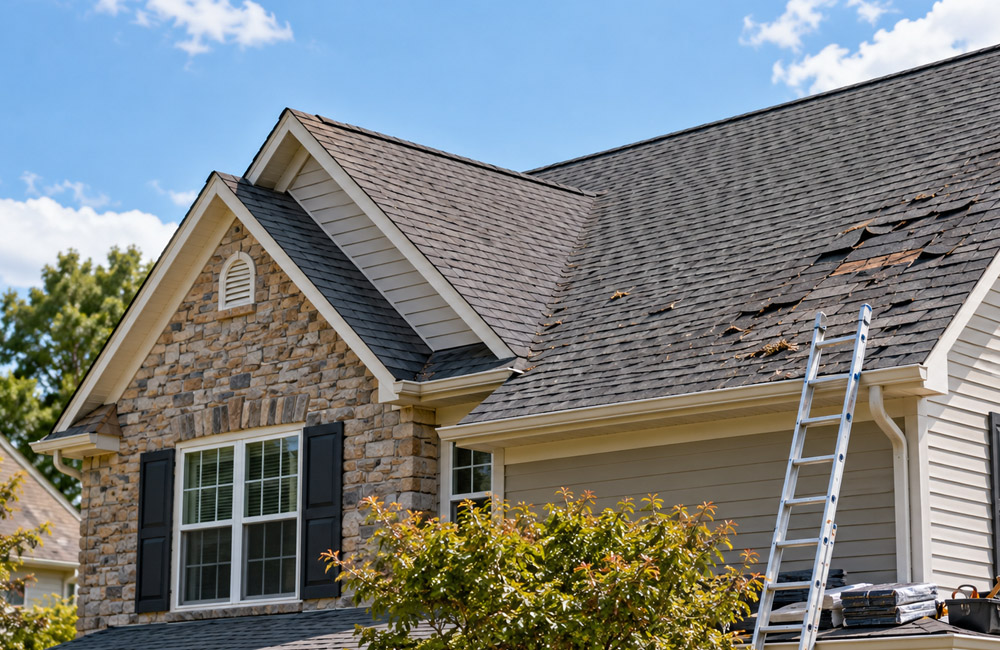
Many localized issues can be corrected without replacing the entire roof. A few missing shingle tabs after a wind gust, a cracked neoprene pipe boot around a plumbing vent, or a loose ridge cap are common one-visit repairs. So are small nail pops where fasteners back out of the sheathing, minor step-flashing adjustments along a sidewall, or resealing a lifted shingle edge with roofing cement while the shingle is still flexible. In that case, homeowners can contact roofing services throughout Hanover, PA, to replace the damaged tab, reset the ridge cap, or swap a cracked pipe boot before water reaches the insulation or drywall.
Consider a typical scenario: a summer thunderstorm lifts a handful of three-tab shingles near the eave, dislodging a small section in a valley. The attic is dry, the sheathing feels firm from below, and the gutters show no granule washout beyond the usual dust. Refastening the tabs in the proper nail zone, sliding in new valley shingles, and checking the drip edge for gaps will usually restore the roof’s weather seal without the cost of a tear-off.
Replacement Signals You Should Not Ignore
Replacement becomes the safer investment when wear is widespread or structural elements are compromised. Brittle shingles, curled along the edges, or showing bald spots with the fiberglass mat visible indicate end-of-life material. Consistent granule piles in downspouts, soft or spongy sections of roof deck felt from the attic, and water stains radiating from multiple points such as chimneys, skylight curbs, and plumbing penetrations all point to systemic failure. If leaks recur despite previous patches, or if there are already two layers of shingles on the deck, a full tear-off is typically the responsible next step.
Picture an older ranch where winter ice dams have left brown halos along several ceiling joists, and the attic smells musty after thaws. You find daylight peeking at the eaves, undersized or blocked soffit vents, and matted algae across shaded slopes. Here, swapping a few shingles will not address heat loss, poor ventilation, and underlayment gaps at the eaves. A replacement that adds continuous ridge venting, clears soffit intakes, and installs ice-and-water shield in vulnerable zones resolves the cause rather than the symptom.
Overlay vs Tear-Off, and Why Flashing Details Matter
An overlay, where new shingles go over an existing layer, can look attractive on paper. It avoids tear-off disposal and installs faster. The trade-offs are real: extra weight loads rafters, irregular old shingles telegraph through the new course, and worst of all, damaged sheathing and rotted fascia remain hidden. A proper tear-off exposes the deck so crews can replace soft OSB or delaminated plywood and install a fresh starter strip, modern synthetic underlayment, and a continuous drip edge that actually sheds water into the gutter. In valleys, a tear-off lets crews set new metal valley flashing or an ice-and-water membrane correctly under the shingle system.
Flashing is another make-or-break detail. Reusing old step flashing along a dormer or counterflashing at a brick chimney to save time is a common mistake. Caulk is not a substitute for interlaced step flashing courses, and failing sealant at a chimney shoulder will invite capillary leaks. During replacement, insist on new step flashing woven with each shingle course, properly tucked behind the housewrap, and new counterflashing cut into mortar joints, not surface-mounted with mastic alone. Those hidden metal details, more than the shingle color, decide whether a roof stays dry during sideways rain.
Hanover, PA Weather That Pushes Roofs Over the Line
Local conditions nudge decisions. Freeze-thaw cycles encourage ice dams when warm attic air melts snow and refreezes at the eaves, and water backs up beneath shingles. Installing ice-and-water shield along eaves and in valleys, combined with balanced ventilation through soffit and ridge vents, reduces that risk. Summer humidity and shade encourage algae streaks that trap moisture and warm the shingle surface. If the north face stays damp beneath overhanging trees, algae-resistant shingles and increased sunlight exposure through selective pruning can extend a fresh roof’s service life. Still, they won’t cure embrittled tabs on an aging one.
Wind matters as much as materials. Many leaks blamed on storms actually start with poor nail placement high above the shingle’s reinforced nail line, which weakens wind resistance. Refastening a few tabs might work after a single gust event, but a pattern of lifted shingles across multiple slopes suggests loss of adhesion and fastener fatigue. In that case, replacement ensures proper fastening into solid sheathing, new starter strips at eaves to lock the first course, and properly sized gutters and downspouts that don’t overflow into soffit cavities during cloudbursts.
At-Home Checks That Make a Roofer’s Visit More Productive
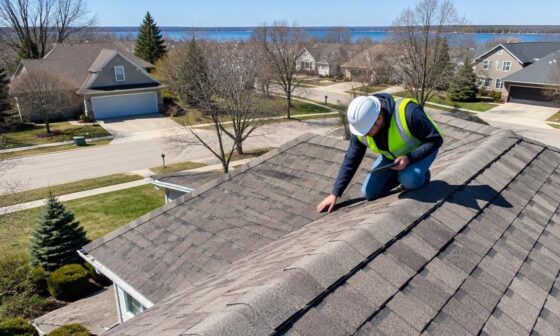
You don’t need to climb a ladder to gather useful information. After a soaking rain, use a flashlight in the attic to scan the underside of the roof deck for darkened plywood, rusty nail tips, or damp insulation. Look closely around bath fan ducts, a skylight curb, and the chimney chase. From the ground, photograph missing shingles, a sagging drip edge, or shingle blisters. Check gutters for fresh granules after storms. Note the roof’s age if you have past paperwork, and whether there is one or two layers on the deck. This context allows a roofer to quickly focus on penetrations, valleys, and other likely leak sources during the site visit.
Deciding between repair and replacement is not guesswork when you consider where water got in, how shingles and flashing are aging, and what Hanover’s weather will do to the system next winter. Reserve repairs for isolated damage on a sound deck with flexible shingles and intact ventilation. Choose replacement when wear is widespread, leaks come from several planes, or underlying components need a reset. With a quick attic check, clear photos, and attention to details like underlayment, ridge and soffit vents, and new flashing, your evaluation will be faster, safer, and more likely to keep the house dry through the next storm.