Key Takeaways
- Schedule seasonal roof inspections and additional checks after severe weather or rooftop work.
- Monitor drainage systems, flashing, roof surfaces, and equipment access areas for damage.
- Prioritize roof safety and limit access to trained, properly equipped personnel.
- Document inspections, photographs, repairs, and recurring issues to support maintenance planning.
- Address active leaks, damaged seams, and drainage problems promptly.
- Consult a commercial roofing professional to determine whether repair, restoration, or replacement is appropriate.
A commercial roof is part of the building’s operating system. When it develops leaks, drainage problems, or damaged flashing, the effects can reach occupied spaces, stored inventory, electrical equipment, and daily work. For building owners in the Kansas City area, commercial roof repair from Delta Innovative Services can be an option when a professional assessment is needed. Delta Innovative Services serves commercial and industrial properties, and its Kansas City repair service covers inspections, leak response, storm-related damage, flat roof concerns, flashing, gutters, and related repair needs.
A practical maintenance plan helps facility managers find issues before they become disruptive. The right schedule depends on the roof’s age, material, drainage layout, weather exposure, equipment load, warranty requirements, and amount of rooftop traffic.
Why Roof Maintenance Belongs on the Facility Calendar
Waiting for a ceiling stain or tenant complaint usually means water has already found a path through the roofing system. Small openings around seams, penetrations, or edge details can worsen over time, especially after repeated rain, wind, temperature changes, or service activity on the roof.
Planned maintenance is not simply a matter of looking for leaks. It gives the facility team a repeatable process for cleaning drainage components, checking known problem areas, documenting changes, and deciding whether a condition should be monitored, repaired, or escalated. This approach also makes roof spending easier to explain because routine upkeep, urgent repairs, and long-term capital planning are recorded separately.
Build a Simple Inspection Schedule
Put roof reviews on the calendar rather than relying on memory. Many facilities benefit from seasonal checks and an additional review after significant weather or rooftop work. These roof maintenance tips for facility managers reinforce the value of proactive attention and controlled rooftop access.
- Spring: Look for winter-related damage, blocked drains, surface wear, and signs that freeze-thaw conditions affected seams or flashing.
- Summer: Review areas exposed to sun, equipment vibration, service traffic, and movement around curbs, pipes, and HVAC units.
- Fall: Remove leaves and loose debris, clear drainage paths, and address minor issues before colder or wetter conditions arrive.
- After severe weather: Arrange a qualified inspection after hail, high winds, heavy rain, snow accumulation, falling branches, or visible impact damage.
Start With a Safe Ground-Level Review
Facility staff can often identify warning signs without going onto the roof. From the ground, look for loose coping, bent-edge metal, sagging gutters, displaced debris, damaged downspouts, or staining below the roof edges. Indoors, inspect upper walls and ceilings for discoloration, bubbling paint, musty odors, wet insulation, or damaged ceiling tiles.
These observations are useful for reporting and prioritizing work, but they do not replace a roof-level inspection by a qualified professional. Water can travel within assemblies, so the visible interior symptom may not sit directly below the entry point.
Use This Commercial Roof Inspection Checklist
Roof Surface
- Document punctures, tears, cracks, blisters, exposed reinforcement, loose materials, or worn coatings.
- Note areas where water remains after surrounding roof areas have dried.
- Identify damage that may be related to foot traffic, tools, branches, or rooftop equipment service.
Drains and Water Flow
- Check drains, scuppers, gutters, downspouts, and strainers for leaves, trash, gravel, and other obstructions.
- Record recurring ponding instead of treating it as a one-time cleaning issue.
- Confirm that discharge routes move water away from the building as intended.
Flashing and Penetrations
- Inspect transitions around HVAC curbs, vents, skylights, pipes, walls, expansion joints, and roof edges.
- Look for cracked sealant, lifted metal, open seams, gaps, or loose counterflashing.
- Give these areas extra attention because changes in materials and elevations can create vulnerable transition points.
Equipment and Access Areas
- Remove abandoned fasteners, packaging, tools, and debris left after service work.
- Check walk pads and designated access routes for wear or displacement.
- Verify that equipment supports do not rub, compress, or puncture the roof surface.
Roof Safety Comes Before the Checklist
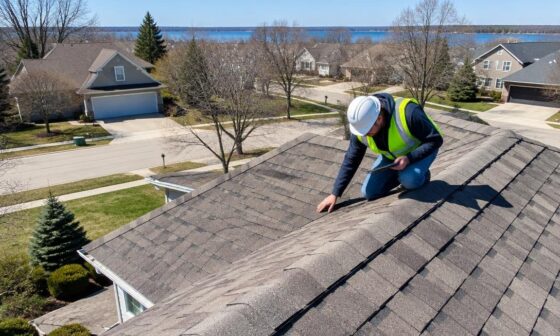
Untrained staff should not walk a commercial roof simply to complete an inspection list. Wet surfaces, fragile materials, skylights, open edges, electrical equipment, and changing weather can create serious hazards.
Limit roof access to trained, properly equipped personnel who understand site-specific rules and safe access procedures. If conditions appear unsafe from the ground or inside the building, isolate the affected area when necessary and contact qualified help.
Know When a Small Problem Needs Fast Action
- Monitor: Minor wear without active water entry. Photograph it, log the location, and review it during the next scheduled inspection.
- Schedule: Open seams, damaged flashing, blocked drainage, or surface defects that could worsen with exposure to weather.
- Urgent: Active leaks, exposed insulation, significant storm damage, or water near electrical systems.
- Emergency: Structural concerns, widespread water entry, fire damage, unsafe roof access, or conditions that threaten occupants.
How to Document Roof Conditions
Keep a single central roof log with inspection dates, roof section names, photographs, observations, recommended actions, assigned responsibilities, and target completion dates. Save roof plans, warranty documents, service reports, repair invoices, and prior condition assessments with the same records.
Consistent documentation makes patterns easier to see. If the same drain, penetration, or roof zone appears in multiple reports, the team can investigate the underlying cause rather than repeatedly addressing only the symptoms. Clear records can also support budgeting discussions and provide useful documentation after a weather event.
When to Call a Commercial Roofing Professional
Request professional help for active leaks, repeated ponding, membrane tears, storm damage, open seams, damaged flashing, or concerns that could affect a roof warranty. Ask for photographs, a written condition summary, repair options, estimated timing, and clear boundaries around the proposed work.
Do not assume full replacement is the only answer, or that repair is always the best long-term choice. A qualified assessment can help compare targeted repair, restoration, and replacement based on the roof’s actual condition, remaining serviceability, and the building’s operational needs.
Common Questions Facility Managers Ask
How Often Should a Commercial Roof Be Inspected?
Schedule seasonal reviews and additional inspections after severe weather or major rooftop work. Increase attention when the roof is older, has a history of leaks, supports frequent service traffic, or has complex drainage and penetration details.
Can Facility Staff Inspect the Roof?
Staff can report indoor and ground-level warning signs, but roof access should be limited to trained and properly equipped personnel.
Does Ponding Water Always Mean Replacement Is Necessary?
No. Ponding may relate to blocked drainage, localized damage, drainage design, roof movement, or other conditions. A professional assessment should guide the repair or replacement decision.
Final Takeaway
A commercial roof maintenance plan can be simple: set a consistent schedule, prioritize safety, document conditions clearly, respond quickly to warning signs, and bring in qualified support when the roof needs a closer evaluation. These habits can help prevent avoidable disruptions.