Assessing Severe Weather Impacts: Hail, Wind, and Water
When a storm rages, your roof takes the brunt of the assault. Understanding how different weather elements affect your roofing materials is crucial for timely and effective repairs. Hail, high winds, and water infiltration each leave distinct, and often hidden, signs of damage.
Identifying Hail Damage by Impact Size
Hail damage isn’t always obvious. It can range from cosmetic blemishes to severe structural compromise. The size of hailstones plays a significant role in the extent of the damage.
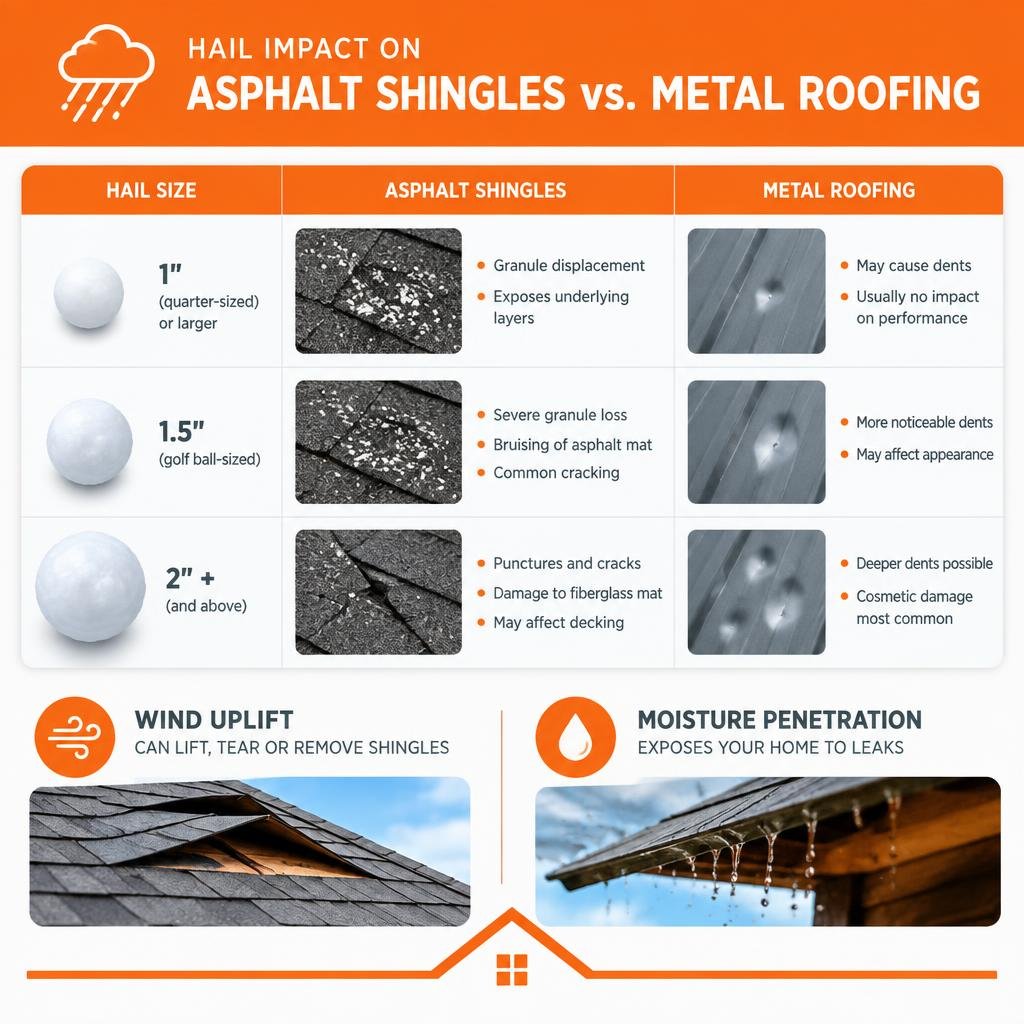
- 1 inch in diameter (quarter-sized) or larger: Our research shows that hailstones of this size are typically sufficient to cause measurable damage to asphalt shingles. This often appears as granule displacement, where the protective mineral granules are knocked off the shingle surface. While seemingly minor, this loss exposes the underlying asphalt and fiberglass mat to UV rays and further weather erosion, accelerating the aging process of your roof.
- 5 inches (golf ball-sized): At this size, granule loss becomes severe. The impact can bruise the shingle’s asphalt matting, creating soft spots that weaken its integrity. Structural cracking within the shingle itself also becomes common, making your roof vulnerable to leaks.
- 2 inches and above: Hailstones of this magnitude often cause widespread and severe damage, typically necessitating a full roof replacement. The impacts can puncture shingles, crack the fiberglass mat, and even damage the roof decking underneath.
For homeowners in regions like DuPage, Will, and Kendall Counties, experiencing hailstones between 1″ and 2.5″ per severe weather event is not uncommon. This highlights the importance of prompt inspection after any significant hailstorm. While metal roofing is generally more resistant to hail, it can still suffer dents, which, while not always compromising its water-shedding ability, can be aesthetically unpleasing and may still be covered by insurance.
Here’s a comparison of hail impact on common roofing materials:
Wind Uplift and Moisture Penetration
High winds are another major culprit in storm damage. They can exert immense pressure on your roof, leading to various forms of damage:
- Lifted and Missing Shingles: Strong winds can break the adhesive seal that holds shingles down, causing them to lift, crease, or even tear off completely. This exposes the underlying roof deck and underlayment to direct moisture.
- Seal Failure: Even if shingles aren’t visibly missing, wind can compromise their thermal seal, making them more susceptible to future uplift and water intrusion.
- Flashing Cracks: The metal flashing around chimneys, vents, and skylights can be bent, cracked, or dislodged by wind, creating direct pathways for water to enter your home.
- Debris Impact: Wind-blown debris, such as branches or even entire trees, can cause significant impact damage, puncturing the roof or damaging its structural components.
Water infiltration is the most immediate threat once your roof’s protective layers are compromised. Even seemingly small openings can allow water to seep into your attic, leading to damaged insulation, stained ceilings, and eventually, mold growth and structural rot. Acting swiftly to address these issues is paramount to preventing further, more costly damage.
The Complete Process of Roofing and Storm Damage Repair
When your home has suffered storm damage, the path to recovery involves several critical steps, from immediate protection to comprehensive restoration. Understanding this process can help you prepare and work effectively with your chosen contractor.
Emergency Stabilization and Leak Mitigation
The very first priority after a storm is to prevent further damage. This often involves emergency stabilization measures:
- Emergency Tarping: If your roof has missing shingles, holes, or active leaks, immediate tarping is essential. A professional contractor will secure heavy-duty tarps over the compromised areas to prevent additional water intrusion. This step is crucial for containing leaks and protecting your home’s interior, furniture, and belongings from water damage.
- Leak Containment: Beyond tarping, professionals may use temporary sealing methods or direct water flow away from vulnerable areas to mitigate ongoing leaks.
- Structural Bracing: In cases of severe structural damage, temporary bracing might be necessary to ensure the safety of your home until full repairs can begin.
Taking these immediate steps not only protects your property but also demonstrates to your insurance provider that you acted responsibly to prevent secondary damage, which can be important for your claim. For reliable assistance with immediate needs, many homeowners turn to specialists in storm damage roof repair who understand the urgency of these situations.
Comprehensive Roofing and Storm Damage Repair Steps
Once the immediate threat is contained, the detailed repair or restoration process begins. This typically involves:
- Thorough Inspection: A comprehensive inspection using advanced tools like drone imaging will assess all visible and hidden damage, including the roof deck, underlayment, flashing, and ventilation.
- Damage Documentation: Detailed photos, videos, and written reports are compiled to document all damage for insurance purposes.
- Material Selection: You’ll work with your contractor to choose appropriate replacement materials. This might include high-impact resistant shingles or durable metal roofing, especially in storm-prone areas.
- Tear-Off and Decking Inspection: The damaged roofing materials are carefully removed. This allows for a thorough inspection of the roof decking for any water damage, rot, or structural issues that may have occurred. Any compromised decking is repaired or replaced.
- Underlayment and Ice Shield Installation: A new layer of synthetic underlayment is installed, providing an additional barrier against moisture. In colder climates, an ice and water shield is applied along eaves and valleys to prevent ice dam formation.
- Flashing and Ventilation: All flashing around chimneys, skylights, and vents is replaced or repaired to ensure a watertight seal. Proper attic ventilation is also assessed and improved if necessary, which is vital for the longevity of your roof and energy efficiency.
- New Roofing Installation: The chosen roofing material, whether it’s asphalt shingles, metal panels, or another type, is expertly installed according to manufacturer specifications and local building codes. This includes proper fastening, alignment, and ridge cap installation.
- Site Cleanup: A thorough cleanup of the property ensures that all debris, nails, and old materials are removed, leaving your yard spotless.
For homeowners seeking comprehensive solutions, reputable companies specializing in roof replacement and repair can guide you through each step, ensuring your home is restored to its pre-storm condition or better.
Navigating Insurance Claims and Restoration Timelines
Dealing with storm damage is stressful enough without the added complexity of insurance claims. A smooth claims process is vital for ensuring your repairs are covered.
Documenting Losses for Insurance Approval
Thorough documentation is the cornerstone of a successful insurance claim. Without clear evidence, your claim could be delayed or even denied.
- Immediate Action: As soon as it’s safe, take photos and videos of all visible damage from various angles. Include close-ups of missing shingles, dents, leaks, and any interior water stains. Date-stamp your evidence if possible.
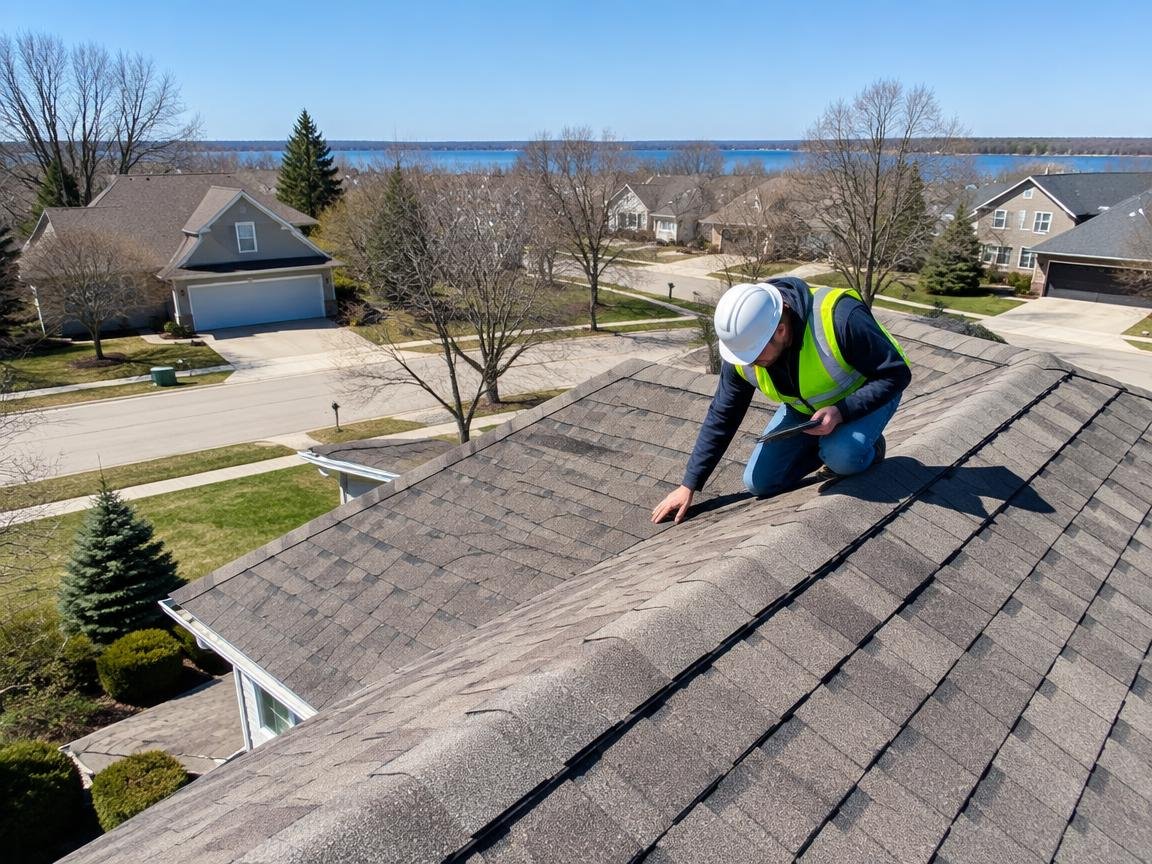
- Professional Assessment: A reputable roofing contractor will conduct a detailed inspection, often using drone imagery for a comprehensive view of your roof. They’ll provide an itemized repair scope, moisture readings, and a written report that details all damage. This professional documentation is invaluable for your claim.
- Contact Your Insurer: Notify your homeowners insurance provider immediately after the storm. Illinois insurers, for example, typically allow 12 months to file a storm damage claim, but acting sooner is always better. Provide them with your initial documentation.
- Adjuster Meeting: Your contractor should meet with the insurance adjuster on-site. This ensures that all damage, including subtle or hidden issues, is identified and properly documented for the claim. They can advocate on your behalf to ensure the adjuster’s scope of work aligns with the necessary repairs or replacement.
Isolated Repair vs. Full Storm Damage Restoration
One common question is whether to opt for an isolated repair or a full restoration. The decision often hinges on the extent of the damage and your insurance coverage.
- Isolated Repair: This involves fixing only the specific damaged areas, such as replacing a few missing shingles or repairing a section of siding. It’s suitable for minor, localized damage. However, if the damage is widespread, isolated repairs might not address underlying issues or match existing materials, potentially leading to future problems or an aesthetically inconsistent exterior.
- Full Storm Damage Restoration: This comprehensive approach aims to return your entire exterior to its pre-storm condition, or even better. This includes not just the roof, but also siding, gutters, downspouts, soffit, fascia, and interior remediation if water infiltrated. For instance, if hail damaged your roof, it likely also dented your gutters and siding. A full restoration ensures all interconnected components are addressed under one contractor and one insurance claim, providing a cohesive and long-lasting solution. This is often recommended when damage is widespread or when the existing materials are older and a full replacement offers better long-term protection and aesthetic consistency.
Many standard HO-3 homeowner policies cover sudden and accidental storm damage from hail, wind, lightning, and falling objects. Your contractor can help you understand your policy coverage, including deductibles, to make an informed decision.
Selecting a Qualified Contractor for Storm Recovery
Choosing the right roofing contractor is perhaps the most critical decision you’ll make after a storm. A reliable professional can make the difference between a smooth recovery and a frustrating, costly ordeal.
Key Credentials and Workmanship Warranties
When vetting contractors, look for these essential qualifications:
- Local and Established: Prioritize contractors with a strong local presence and a long history in the community. Companies like Superstorm Roofing & Siding, in business since 1997, or Naperville Roofing & Construction, restoring homes since 1996, demonstrate stability and commitment. Local contractors are familiar with regional weather patterns, building codes, and insurance processes. They also offer better long-term support, including warranty service. Avoid “storm chasers” who appear after a storm and disappear once the work is done.
- Licensed and Insured: Always verify that the contractor is fully licensed, bonded, and insured. This protects you from liability in case of accidents or property damage during the project.
- Manufacturer Certifications: Look for certifications like GAF Master Elite® or Owens Corning Platinum Preferred Contractor. These indicate that the contractor has met rigorous standards for quality, training, and customer satisfaction, and can offer enhanced manufacturer warranties on materials.
- Workmanship Warranties: A reputable contractor stands behind their work. Ask about their workmanship warranty. Storm Hero Roofing & Restoration, for example, offers a 5-year workmanship warranty on new roof installations and a 1-year warranty on repairs. O.C. Roofing and Siding offers 1-3 year workmanship warranties. A strong warranty provides peace of mind.
- OSHA Compliance: Ensure the contractor follows OSHA safety guidelines, demonstrating a commitment to safe work practices for their crew and your property.
- Transparent Communication and Reviews: Choose a contractor who communicates clearly, provides detailed estimates, and has positive reviews. Superstorm Roofing & Siding’s 4.9/5.0 rating from 366 Google Reviews is a good indicator of customer satisfaction.
For durable and aesthetically pleasing exterior solutions, especially for shingle and metal installations, selecting a contractor with proven expertise and strong credentials is key.
Professional Roofing and Storm Damage Repair vs. DIY
While the idea of saving money by doing repairs yourself might be tempting, storm damage repair is almost always best left to professionals.
- Safety Risks: Roofing work, especially on a storm-damaged roof, is inherently dangerous. Falls from roofs are a leading cause of construction-related injuries. Professionals have the training, safety equipment, and experience to work safely at heights.
- Improper Installation: Roofing systems are complex. Incorrect installation can lead to immediate leaks, premature material failure, and voided manufacturer warranties. Professionals ensure the work meets industry standards and local building codes.
- Warranty Voidance: Many roofing material warranties require installation by a certified professional. DIY repairs can void these valuable warranties.
- Insurance Compliance: Insurance companies often require repairs to be performed by licensed contractors to ensure quality and compliance with their claim requirements. DIY work might not be covered or could complicate your claim.
- Specialized Equipment: Professionals have access to specialized tools and equipment, from safety harnesses to drone inspection technology, that are necessary for efficient and effective repairs.
Hiring a professional ensures the job is done safely, correctly, and with the backing of warranties, protecting your investment and providing long-term peace of mind.
Frequently Asked Questions About Storm Damage
We’ve covered a lot of ground, but here are quick answers to some of the most common questions homeowners have after a storm.
How soon should I schedule a roof inspection after a storm?
You should schedule a professional roof inspection as soon as possible, ideally within 24-48 hours after a significant storm. Acting quickly prevents secondary damage (like water leaks leading to mold) and ensures timely documentation for your insurance claim. Many hidden issues, like hail bruising or loosened shingles, can worsen over time, making it harder to link them directly to the storm.
Does homeowners insurance cover storm damage to roofs and siding?
In most cases, yes. Standard HO-3 homeowner policies typically cover sudden and accidental damage caused by perils like hail, wind, lightning, and falling objects (e.g., trees). This usually includes damage to your roof, siding, gutters, and any interior damage resulting from water infiltration. However, policies may have specific deductibles for wind/hail or exclusions for pre-existing wear and tear. Your contractor can help document the damage to ensure it’s properly attributed to the storm.
How long does storm damage roof repair or replacement usually take?
The timeline for storm damage repair or replacement can vary:
- Insurance Claim and Material Procurement: This phase generally takes 1–3 weeks, depending on your insurance company’s responsiveness and material availability.
- Roof Replacement: Once materials are delivered, a standard storm damage roof replacement typically takes 1–2 days for an average-sized home.
- Full Exterior Restoration (Roof, Siding, Gutters): If your home requires more extensive work beyond just the roof, a full exterior restoration usually runs 3–5 days.
- Minor Repairs: Most isolated storm damage repairs are completed in 1–3 days, depending on the severity of the damage and weather conditions.
These timelines are estimates and can be influenced by factors like severe weather delays, material backorders, and the complexity of the project.
Conclusion
Severe weather is an inevitable part of life, and our homes, particularly our roofs, bear the brunt of its force. Understanding the signs of storm damage, knowing how to react swiftly, and choosing the right professionals for repair and restoration are crucial steps in protecting your most valuable asset.
By taking rapid action, documenting damage thoroughly, and partnering with a reputable, local roofing contractor, you can navigate the post-storm recovery process with confidence. Investing in professional assessment and high-quality repairs ensures not only the immediate safety of your home but also its long-term durability and value. Don’t let storm damage compromise your peace of mind—be proactive, stay informed, and trust the experts to restore your home’s exterior protection.