Modern Trends in Exterior Architecture and Facade Upgrades
Imagine stepping into a backyard oasis that perfectly blends comfort, style, and functionality. Your home’s exterior and patio are not just about curb appeal; they are vital extensions of your living space. They enhance both your daily enjoyment and your property’s long-term value.
In 2026, homeowners are increasingly recognizing this potential. We are seeing a significant surge in outdoor renovations. Data shows that 71% of homeowners are now enlisting professional help for these projects. This is a noticeable rise from previous years. People want functional spaces, with 83% of renovated areas including a lounge or seating. There’s also growing interest in shade structures, with investments up 15 percentage points since 2024.
This extensive guide will walk you through the essential considerations for home exterior and patio improvements. We will explore the latest design trends and popular materials. We will also cover effective planning and budgeting strategies. Crucial elements like drainage, lighting, and landscaping will be discussed. From updating your facade with modern materials like new roofing and siding installation to creating a luxurious outdoor retreat, smart choices make a big difference. Let’s transform your outdoor living dreams into reality.
The exterior of a home is its first impression, and in 2026, we’re seeing distinct trends shaping facade aesthetics. Homeowners are moving towards sophisticated, yet welcoming, palettes and architectural details that enhance both curb appeal and structural integrity.
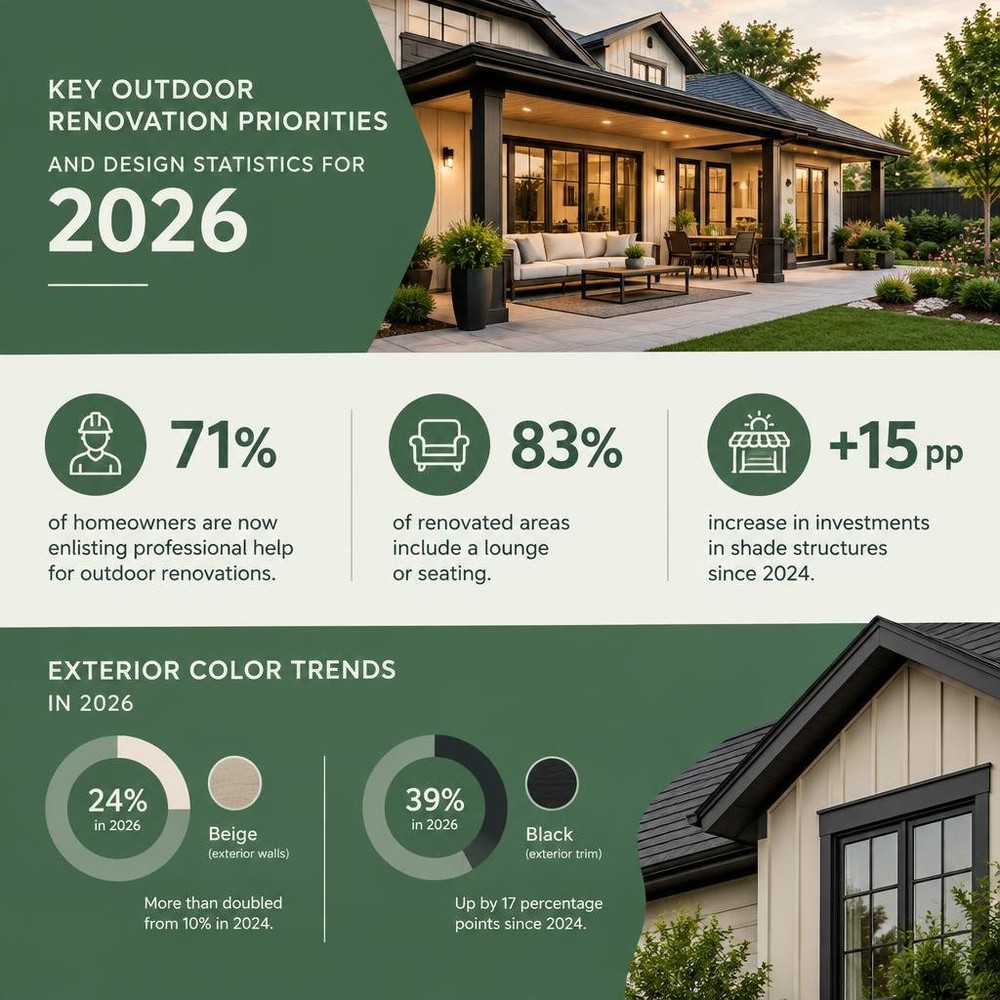
One of the most striking shifts is in color choices. Beige has experienced a remarkable resurgence for exterior walls, with its popularity more than doubling from 10% in 2024 to 24% in 2026. This neutral, earthy tone offers a versatile backdrop that complements various architectural styles. Complementing this, black has firmly established itself as the new favorite for exterior trim. Its share has risen by 17 percentage points, now adorning 39% of homes. This provides a sharp, modern contrast against lighter wall colors, adding definition and a contemporary edge.
Beyond color, architectural elements are playing a significant role. Beams on home exteriors have seen a dramatic upswing, with 43% of homeowners now citing a preference for them, a 24-percentage-point jump. These can be decorative, adding rustic charm or industrial flair, or structural, lending a sense of permanence and grandeur. When considering exterior cladding, popular choices include durable fiber cement, classic stucco finishes, and natural wood, each offering unique textures and visual appeal that contribute to a home’s overall modern aesthetic.
Essential Home Exterior and Patio Improvements for Curb Appeal
Enhancing your home’s curb appeal goes beyond mere aesthetics; it’s an investment in your property’s value and your personal enjoyment. The right color palettes, trim accents, and roof lines work in harmony to create a cohesive and inviting exterior. For instance, a well-chosen beige siding paired with crisp black trim can dramatically update a home’s look.
Updating the siding is often one of the most impactful exterior improvements. Whether opting for the low-maintenance durability of fiber cement, the timeless elegance of stucco, or the warmth of natural wood, the material choice significantly influences the home’s character. Similarly, a new roof can transform the entire facade, offering both protection and a fresh aesthetic. We often see homeowners explore options for professional roofing and siding installation to ensure these critical components are not only visually appealing but also expertly installed for long-term performance.
Incorporating natural wood elements, such as exposed beam profiles or a welcoming entryway styling, can add warmth and texture. These details provide visual interest and help define the home’s architectural style, making it stand out in the neighborhood.
Weatherproofing and Energy Efficiency Considerations
While aesthetics are important, the practical aspects of weatherproofing and energy efficiency are paramount for any home exterior improvement. A well-sealed exterior protects your home from the elements, prevents moisture damage, and significantly contributes to energy savings.
Key to this is proper exterior caulking, especially around windows and doors. High-quality silicone-based polyurethane blends, which performed best in 2026 tests, offer superior durability and UV resistance, crucial for preventing cracks and gaps that can lead to air and water infiltration. This air sealing creates a thermal barrier, reducing heat loss in winter and heat gain in summer.
Beyond caulking, weather stripping for doors and windows, and ensuring adequate ventilation in attics and crawl spaces, are vital. These measures prevent moisture buildup, which can lead to mold, rot, and compromised indoor air quality. For existing homes, addressing any issues with window and door repair can significantly improve their energy performance and weather resistance. Properly functioning windows and doors, free from drafts and leaks, are fundamental to maintaining a comfortable and energy-efficient indoor environment. Investing in these weatherproofing measures not only safeguards your home against harsh weather but also leads to noticeable reductions in heating and cooling costs, offering a strong return on investment.
Designing Functional Outdoor Living Spaces and Patios
The concept of the “outdoor room” has truly taken hold, with homeowners increasingly viewing their patios and yards as extensions of their interior living spaces. Our research in 2026 confirms this trend, showing that 83% of renovated outdoor spaces now feature a dedicated lounge or seating area, with 71% including comfortable sofas or lounge chairs. This highlights a desire for relaxation and comfort outdoors.
Beyond lounging, homeowners are creating multi-functional zones. A significant 53% are incorporating dedicated reading areas or quiet retreats, offering a peaceful escape. Dining al fresco remains popular, with 49% of renovated spaces featuring a designated dining area, often enhanced with integrated lighting (66%) and a fireplace or fire pit (49%) for ambiance and warmth.
Outdoor kitchens are also a growing trend, transforming patios into full-service entertainment hubs. From built-in grills to full culinary setups, these additions elevate outdoor entertaining. Screened porches, too, are seeing a resurgence, providing protected spaces for dining and relaxation without the nuisance of insects. Effective layout planning is crucial to ensure these various zones flow seamlessly and serve their intended purpose, creating an outdoor environment that is both beautiful and highly functional.
Integrating Shade Structures and Enclosures
As outdoor living spaces become more central to home life, managing sun exposure and creating comfortable microclimates is essential. This is precisely why interest in shade structures has surged, with 35% of homeowners investing in them in 2026—a 15-percentage-point increase from 2024.
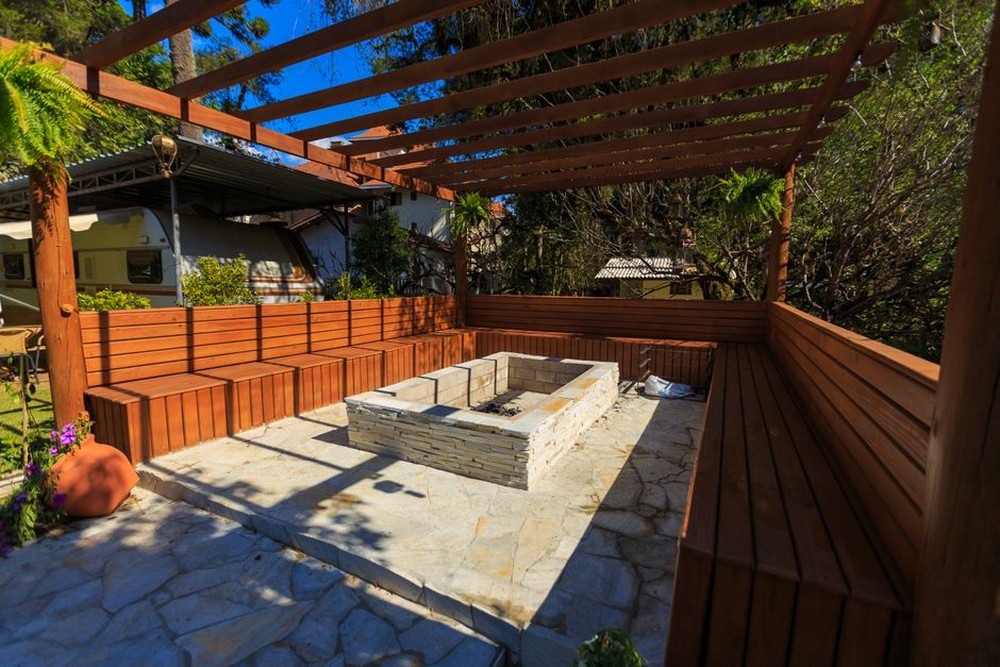
Pergolas are a popular choice, offering partial shade and architectural interest. They can be adorned with climbing plants for natural cooling or fitted with retractable canopies for adjustable sun control. Covered patios, on the other hand, provide more complete protection from both sun and rain, allowing for year-round enjoyment. Options like gable, hip, flat, or shed roofs can be integrated into the home’s existing architecture, creating a seamless extension.
For those seeking even greater protection, screened panels offer an excellent solution, keeping insects at bay while maintaining airflow and views. Materials like cedar framing are often favored for their durability and natural aesthetic. These structures not only enhance comfort by controlling temperature but also extend the usability of outdoor spaces, making them enjoyable for more hours of the day and more months of the year. For highly customized solutions, exploring custom shade and sun control options can ensure your outdoor space perfectly meets your specific needs for comfort and style.
Transforming Porches into Multi-Season Rooms
An open porch, while charming, can often be underutilized due to weather or insects. Homeowners are increasingly recognizing the potential to transform these spaces into functional, multi-season outdoor rooms. This involves strategically enclosing the porch while maintaining its connection to the outdoors.
A common approach involves installing screen systems, often using durable cedar posts for framing. These systems allow for large screen panels, optimizing airflow and preserving expansive views while effectively keeping insects out. The goal is to create a space that feels open and airy but offers protection from pests, sun, and light rain.
Careful planning for threshold transitions ensures a seamless flow from the interior to the newly enclosed space. Weather barriers and appropriate flooring choices further enhance the porch’s resilience against the elements. By expanding the functional footprint of the home, these transformed porches become valuable multi-purpose areas, suitable for dining, relaxing, or even a quiet retreat for much of the year. The key is to select materials and design elements that complement the home’s existing structure while maximizing the porch’s four-season usability.
Planning and Budgeting for Home Exterior and Patio Improvements
Embarking on home exterior and patio improvements requires meticulous planning and a realistic budget. These projects, whether a minor refresh or a major overhaul, represent a significant investment, and thoughtful preparation is key to a successful outcome.
One of the first steps is comprehensive project budgeting. This involves getting detailed cost estimations for materials, labor, and any necessary site preparation. It’s wise to factor in a contingency fund for unforeseen issues. While personal comfort is a top motivator for renovations, it’s also important to consider the potential return on investment (ROI analysis), especially if resale value is a factor.
Many homeowners opt for a phased renovation approach, tackling projects in stages to spread out costs and minimize disruption. For instance, roughing in utility lines like gas during an earlier renovation can save significant retrofit costs later when adding features like an outdoor kitchen or fire pit. Obtaining necessary permits is another critical step; local regulations often dictate what can be built and how. Finally, engaging professional contractors is increasingly popular, with 71% of homeowners hiring help in 2026. Professionals can provide valuable design renderings, ensuring your vision is accurately translated into a functional and aesthetically pleasing outdoor space.
Evaluating Materials for Long-Term Home Exterior and Patio Improvements
Choosing the right materials for your patio and exterior is a decision that balances aesthetics, budget, and long-term performance. Each material offers distinct characteristics suitable for different climates and lifestyles.
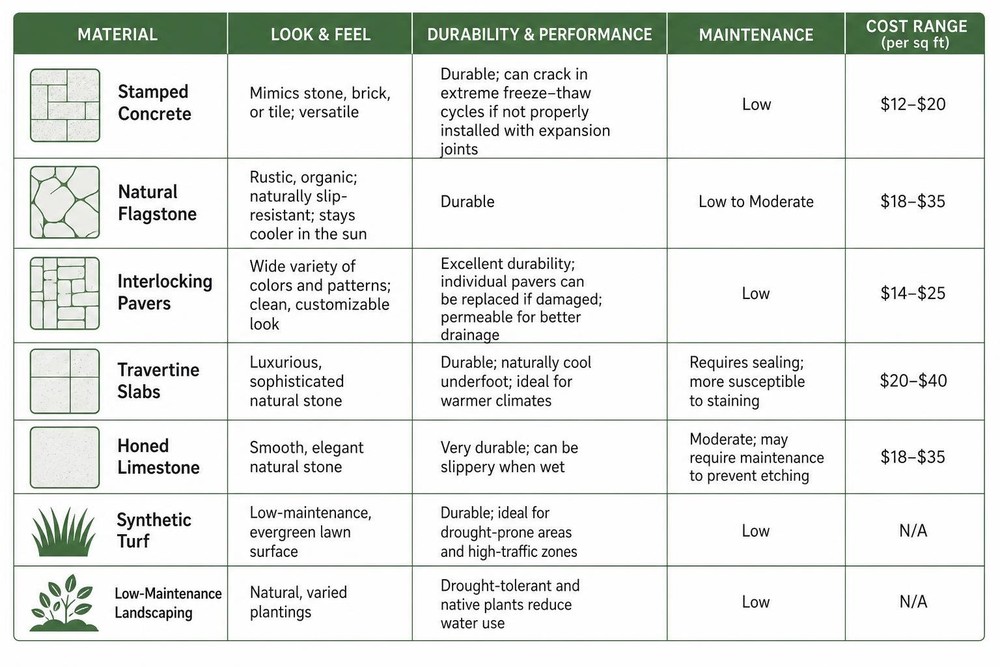
- Stamped Concrete: Often the most budget-friendly option, stamped concrete can mimic the look of natural stone, brick, or tile. It’s durable and versatile but can crack in extreme freeze-thaw cycles if not properly installed with expansion joints. Costs typically range from $12-$20 per square foot.
- Natural Flagstone: Offering a rustic, organic aesthetic, flagstone is durable and naturally slip-resistant. It stays cooler in the sun than many other materials. However, its irregular shapes can make installation more labor-intensive, and costs are higher, typically $18-$35 per square foot.
- Interlocking Pavers: These offer excellent durability and flexibility, as individual pavers can be replaced if damaged. They come in a vast array of colors and patterns, and their permeable nature can aid drainage. Pavers are generally in the mid-range, costing $14-$25 per square foot.
- Travertine Slabs: A premium natural stone, travertine offers a luxurious, sophisticated look. It’s naturally cool underfoot and durable, making it ideal for warmer climates. However, it requires sealing and can be more susceptible to staining. Costs are among the highest, at $20-$40 per square foot.
- Honed Limestone: Similar to travertine, honed limestone provides a smooth, elegant finish. It’s very durable but can be slippery when wet and may require more maintenance to prevent etching.
- Synthetic Turf: A growing trend, synthetic turf jumped by 10 percentage points to 19% of lawn projects. It offers a low-maintenance, evergreen solution, especially in drought-prone areas or for small, high-traffic zones.
- Low-Maintenance Landscaping: Incorporating drought-tolerant and native plants reduces water usage and ongoing care, complementing any hardscaping choice.
The table below provides a quick comparison of popular patio surface materials:
Balancing Aesthetics, Durability, and Maintenance
The ideal exterior and patio materials strike a harmonious balance between visual appeal, resilience, and the effort required to keep them looking their best. When making selections, it’s crucial to consider several factors that will impact your long-term satisfaction.
Material lifespan is a primary concern; investing in durable options upfront can prevent costly repairs or replacements down the line. For instance, in regions with harsh winters, understanding how materials react to freeze-thaw cycles is vital to prevent cracking or shifting. Similarly, in sunny climates, heat absorption can make certain surfaces uncomfortable underfoot, making cooler materials like natural stone a better choice.
Slip resistance is another important safety consideration, especially for areas that may get wet. Many materials benefit from sealants to protect against staining and weathering, extending their life and preserving their appearance. However, sealants also add to the routine upkeep schedule.
Finally, consider the level of maintenance you are willing to commit to. Some materials, like composite decking or synthetic turf, require minimal upkeep, while others, such as natural wood or certain types of stone, may need regular cleaning, sealing, or staining. Balancing these elements ensures that your outdoor features remain beautiful and functional without becoming a burden. Incorporating drought-tolerant planting into your landscaping can also significantly reduce water usage and maintenance efforts.
Site Preparation, Structural Foundations, and Drainage Solutions
The success and longevity of any home exterior or patio improvement project hinge critically on proper site preparation, a solid structural foundation, and effective drainage solutions. Neglecting these foundational steps can lead to costly problems down the line, such as cracking, uneven surfaces, or even damage to your home’s foundation.
The process begins with thorough subgrade preparation, which involves excavating the area to the correct depth and ensuring the underlying soil is stable. This is followed by proper soil compaction, creating a firm and uniform base that will support the weight of the new structure without settling. Crucially, slope grading must be meticulously planned to ensure water naturally flows away from the house and patio.
For managing water runoff, trench drains are an excellent solution, especially for areas receiving significant downspout discharge. These linear drains collect surface water and channel it away. Downspout routing should be integrated into the overall drainage plan, often connecting to underground pipes that lead to pop-up emitters in the lawn, safely releasing water far from the foundation. Installing expansion joints in concrete patios is also essential to accommodate natural expansion and contraction due to temperature changes, preventing unsightly cracks. These measures collectively ensure structural integrity and prevent water-related issues.
Managing Water Runoff and Foundation Protection
Effective water management is arguably the most critical aspect of outdoor construction. Improper drainage can lead to standing water, soil erosion, and, most severely, hydrostatic pressure against your home’s foundation, potentially causing cracks or structural damage.
Surface grading should always direct water away from the house, with a minimum pitch of 1/4 inch per foot. Permeable hardscapes, such as certain types of pavers, can also be incorporated to allow water to filter through to the ground below, reducing surface runoff. Beyond trench drains and pop-up emitters, integrating your patio’s drainage with existing gutter systems ensures that rainwater from the roof is also directed away efficiently.
This proactive approach to stormwater redirection not only protects your new patio and landscaping but also safeguards your most valuable asset: your home’s foundation. It’s a best practice to plan and install drainage systems before any major patio construction begins, preventing long-term erosion and water damage.
Lighting and Final Cohesive Design Elements
Once the structural elements and foundational work are complete, lighting, landscaping, and furniture bring the outdoor space to life, creating a cohesive and inviting environment. Lighting, in particular, is a top priority for homeowners, with 77% upgrading their lighting systems during outdoor renovations, and 80% of those choosing landscape lighting.
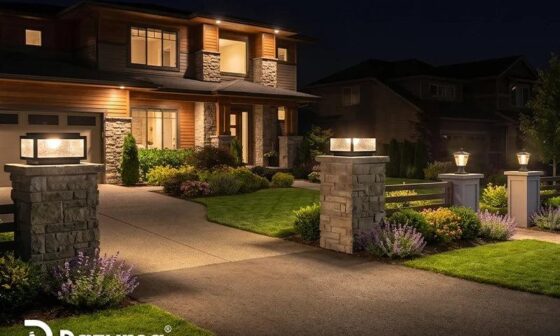
Landscape lighting serves multiple purposes: it enhances safety by illuminating pathways and steps, extends usability into the evening hours, and creates a captivating ambiance. Low-voltage fixtures are popular for their energy efficiency and ease of installation. Pathway illumination can guide guests, while hardscape sconces mounted on walls or pillars add architectural interest and ambient warmth.
Beyond lighting, the selection of outdoor furniture is crucial for defining lounge zones, dining areas, and quiet retreats. Comfortable, weather-resistant pieces encourage prolonged enjoyment of the space. Finally, landscaping ties everything together. Strategic planting, perimeter privacy screens, and decorative elements contribute to the overall aesthetic, creating a harmonious and functional outdoor oasis. The thoughtful integration of these final design elements ensures that your exterior and patio improvements are not just functional, but truly transformative.
Frequently Asked Questions About Exterior and Patio Upgrades
What are the most cost-effective patio surface materials for different climates?
The most cost-effective patio materials often depend on regional availability and climate. Stamped concrete, typically ranging from $12-$20 per square foot, is a versatile and budget-friendly option that can mimic more expensive materials. Concrete pavers ($14-$25 per square foot) offer good durability and flexibility, making them a wise choice for areas with freeze-thaw cycles, as individual units can be replaced. For warmer climates, natural stone like flagstone ($18-$35 per square foot) or travertine ($20-$40 per square foot) can be highly desirable as they remain cooler underfoot, though their initial cost is higher. Always factor in installation complexity and long-term maintenance.
How does proper drainage planning protect a new patio installation?
Proper drainage planning is fundamental to protecting a new patio installation and the adjacent home foundation. Without it, standing water can lead to several issues: hydrostatic pressure against the foundation, which can cause cracks; frost heave in colder climates, where freezing water expands and shifts the patio; and soil erosion, undermining the patio’s base. Implementing solutions like trench drains to divert surface water, ensuring adequate drainage pitch, and using pop-up emitters to safely discharge water away from the structure prevents these problems, preserving the patio’s integrity and extending its lifespan.
How do shade structures and fire features impact outdoor usability and property value?
Shade structures and fire features significantly enhance both outdoor usability and property value. Shade structures, such as pergolas or covered patios, extend the comfortable usable square footage of your home, allowing enjoyment of the outdoors even during peak sun or light rain. This can effectively create a “three-season room” or more. Fire features, like fire pits or outdoor fireplaces, provide warmth and ambiance, making outdoor spaces inviting for evening gatherings and cooler weather, boosting entertaining appeal. Both additions are highly sought after by homebuyers, contributing positively to buyer demand and offering a strong return on investment by making the outdoor space feel more complete and luxurious.
Conclusion
The journey of enhancing your home’s exterior and patio is an exciting one, offering the opportunity to expand your living space and elevate your property’s appeal. As we’ve explored, successful projects hinge on holistic planning, selecting durable materials suited to your climate, and executing a unified design vision.
From the modern aesthetics of beige walls and black trim to the functional elegance of integrated shade structures and outdoor kitchens, every choice contributes to the overall outcome. Prioritizing proper site preparation and advanced drainage solutions ensures the long-term integrity of your investment, protecting both your new outdoor features and your home’s foundation.
These improvements are about more than just aesthetics; they are about fostering outdoor enjoyment, creating spaces for relaxation and entertainment, and adding tangible value to your property. By approaching these projects with careful consideration and professional execution, you can transform your home’s exterior into a truly remarkable and enduring outdoor oasis.