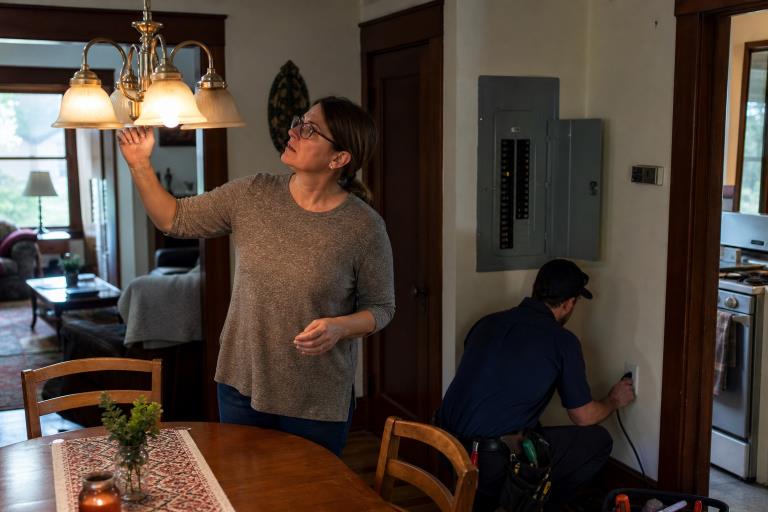
Electrical trouble rarely announces itself with a dramatic outage. More often, it starts as a flickering dining-room light, a breaker that seems to trip only occasionally, or an outlet that no longer holds a plug firmly. Kansas City, Missouri, homeowners who notice these early signals can address concerns before they disrupt daily life or create a more serious safety issue. If something in your home’s electrical system does not seem right, schedule today to have a qualified professional evaluate the situation.
Homes across the Kansas City area range from historic properties with decades of renovations to newer houses filled with computers, kitchen appliances, smart devices, and charging equipment. A home can look well cared for while having loose connections, aging insulation, overloaded circuits, or damaged components hidden behind walls. Regular awareness is a practical part of responsible home maintenance.
Why Hidden Electrical Hazards Matter
Many electrical problems create heat before they create obvious damage. A loose connection, for example, can affect a switch, outlet, fixture, or circuit without being visible to the homeowner. One flickering light may be caused by a bulb or fixture, but it can also point to a connection problem that deserves professional diagnosis. Avoid treating recurring symptoms as normal, especially when they involve power loss, heat, odors, or unusual sounds.
Warning Signs to Watch For
Pay attention when lights dim, brighten, or flicker without a clear reason. Other warning signs include breakers that trip repeatedly, outlets that feel warm or look cracked or discolored, and switches or plugs that buzz, sizzle, or crackle. A burning smell near an outlet, appliance, switch, or panel should never be ignored.
Problems That Need Prompt Attention
- Sparks when plugging in or unplugging an appliance.
- Loose outlets that do not grip plugs securely.
- Two-slot receptacles where grounded equipment is regularly used.
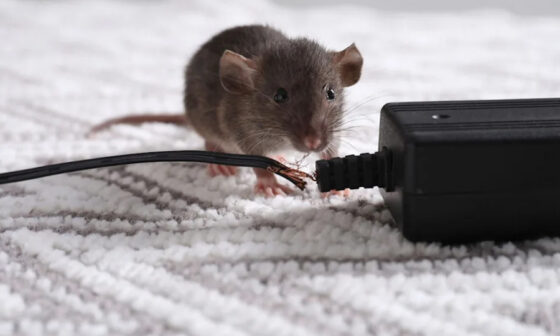
- Visible fraying, exposed wire, or damage to a cord or plug.
- Extension cords have become a permanent solution for everyday power needs.
A single symptom does not identify the exact cause. Do not remove a service-panel cover, touch exposed wiring, or attempt live electrical repairs while trying to locate the source of a problem.
Why Older Homes Need Extra Attention
Older Kansas City homes may have electrical systems installed for a much lower household demand than today’s homes require. Modern kitchens, home offices, entertainment systems, HVAC equipment, workshop tools, and electric vehicle chargers can place new demands on existing circuits. Older properties may also have limited circuit capacity, ungrounded outlets, outdated panels, or wiring types that call for a closer review.
Age alone does not prove that a system is unsafe. However, it is a good reason to keep records of electrical repairs, permits, additions, and remodels, then arrange an inspection before a major renovation or equipment upgrade.
What to Check at the Panel and Wiring
Homeowners can make a visual check from a safe distance without opening the panel. Look for moisture, rust, corrosion, missing covers, scorching, or signs of overheating around the electrical panel. Breaker labels should be legible and should reasonably match the rooms or equipment they control.
A qualified electrician can evaluate service capacity, accessible wire condition, grounding, breaker operation, and terminals that may be loose or damaged. Visible wiring in garages, basements, utility spaces, and attics should not be brittle, frayed, crushed, or exposed to physical damage.
GFCI and AFCI Protection
Ground-fault circuit interrupter protection, commonly called GFCI protection, is designed to reduce shock risk when electricity travels along an unintended path. It is especially important in areas where water may be present, such as bathrooms, kitchens, garages, laundry areas, exterior locations, and near sinks.
Arc-fault circuit interrupter protection, or AFCI protection, serves a different purpose. It is designed to detect certain hazardous arcing conditions in a circuit. GFCIs and AFCIs are not interchangeable, and some homes may use devices that provide one form of protection or both. Test and reset buttons should be used according to the manufacturer’s instructions. If a device will not reset or trips repeatedly, arrange for service rather than bypassing it.
Appliances, Power Strips, and Extension Cords
Everyday habits can put unnecessary stress on a home’s electrical system. Avoid plugging several heat-producing or high-wattage appliances into one receptacle, hiding loaded power strips behind furniture, or placing cords beneath rugs and doors. Damaged cords, crushed plugs, and exposed conductors should be replaced, not taped over or reused.
Extension cords are intended for temporary use, not as a substitute for household wiring. The safe use of extension cords includes selecting a cord rated for its setting and load, keeping it away from water and foot traffic, and replacing it when it is worn or damaged. For outdoor projects, use equipment rated for outdoor use and avoid working around standing water.
Kansas City’s hot summers, winter heating needs, storms, and seasonal outdoor projects can expose weak points in cords, outlets, and circuits. Portable space heaters should be plugged directly into a wall outlet and kept clear of curtains, bedding, furniture, and other combustible materials.
What Happens During a Professional Inspection
An electrical safety inspection begins with a conversation about flickering lights, breaker trips, remodeling plans, recent storm damage, unusual sounds, or areas that lack enough outlets. The professional then reviews accessible panels, outlets, switches, fixtures, wiring, grounding points, and protective devices.
Appropriate testing can help assess polarity, voltage, GFCI operation, circuit behavior, and other conditions that cannot be confirmed through a visual check alone. Findings should be explained by urgency, so the homeowner can distinguish immediate safety concerns from improvements that can be planned over time. An inspection identifies conditions and priorities. It is not the same as completing repairs.
When to Call for Help
Stop troubleshooting and seek professional assistance if you notice smoke, charring, melting, persistent burning odors, a hot outlet or switch, exposed wiring, water near electrical equipment, or repeated breaker trips. A strong buzzing sound from the panel also deserves prompt attention.
Turn off power only if doing so is safe and does not require approaching damaged equipment. Stay clear of active sparking or smoke, and contact emergency services immediately if there is a fire or immediate danger.
A Simple Electrical Safety Checklist
- Check outlets and switches for looseness, damage, discoloration, or heat.
- Replace damaged cords, plugs, and power strips.
- Keep electrical equipment dry and free of clutter.
- Test GFCI devices according to their instructions.
- Do not rely on extension cords for permanent power.
- Keep portable heaters away from combustible materials.
- Review panel labels and watch for moisture, rust, or overheating.
- Schedule an inspection before remodeling, adding major appliances, or installing EV charging equipment.
Final Takeaway
Electrical safety becomes more manageable when small warning signs receive attention early. A homeowner’s visual check can reveal a concern, but qualified professionals should perform electrical testing and repairs. For Kansas City homeowners in 2026, timely inspections and safer everyday habits can help protect the home as electrical needs continue to evolve.