Why Rochester Homes Need Winter Roof Preparation
Rochester, Minnesota, homeowners know that a roof must withstand snow, freezing temperatures, wind, and repeated thaw-and-refreeze cycles. Winter roof trouble does not always begin during a major storm. In many cases, a small weakness around a shingle, gutter, vent, or flashing detail has been present for months before snow and ice exposes it.
For local property owners comparing service options, Rochester roofing information from Above All Roofing Of Rochester offers a useful overview of residential and commercial repairs, inspections, preventive maintenance, storm-damage work, ice-dam concerns, and snow removal. The locally owned company serves Rochester and surrounding Minnesota communities, making its service guidance relevant for homeowners preparing for the region’s demanding winter conditions. No matter what a visual check reveals, never walk on an icy, snow-covered, steep, or unstable roof.
Begin With a Safe Ground-Level Inspection
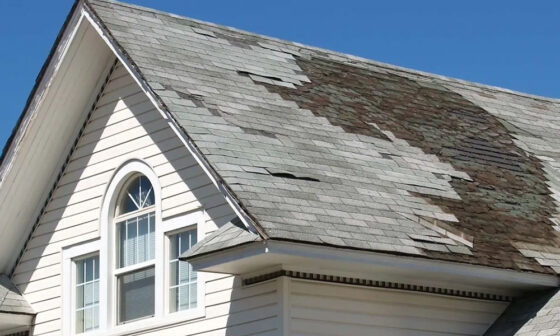
Start in the driveway, yard, or sidewalk where you can see the roof without taking unnecessary risks. Use binoculars if the roofline is difficult to view clearly. Look for missing, curled, cracked, or lifted shingles, as well as dark patches that may indicate exposed underlayment or a damaged area.
- Scan the roofline for dips, sagging, or visibly uneven areas.
- Look for loose materials after high winds.
- Check the ground near downspouts for an unusual amount of shingle granules.
- Notice whether gutters appear pulled away, bent, or uneven.
A ground-level review cannot replace a close inspection, but it can help identify conditions that deserve prompt professional attention.
Pay Close Attention to Flashing and Penetrations
Flashing directs water away from vulnerable transitions around chimneys, skylights, plumbing vents, valleys, and roof-to-wall connections. These small sections can become entry points when wind-driven snow reaches gaps that may not leak during a light rain.
From the ground or attic, watch for lifted flashing edges, rust, cracked sealant, displaced vent boots, or stains on siding below a roof intersection. Inside, inspect the areas below vents, chimneys, and skylights for dampness or discoloration. If a detail appears damaged, avoid applying sealant from a ladder in poor weather. The underlying issue may require a more complete repair.
Clean Gutters and Confirm Drainage
Gutters are part of the roof system because they carry melting water away from the eaves and foundation. Before persistent freezing weather arrives, remove leaves, needles, and loose roof debris. Then flush the downspouts and make sure water exits well away from the home.
- Check for sagging sections, loose fasteners, and open seams.
- Make sure downspout extensions are not blocked by soil, mulch, or landscaping.
- Remove debris that could trap water near the eaves.
- Schedule repairs if gutters are pulling away from the fascia.
Blocked drainage can cause water to collect and freeze near roof edges, increasing the likelihood of ice buildup.
Understand How Ice Dams Develop
An ice dam can form when snow melts on a warmer section of the roof, and the water refreezes at colder eaves. The resulting ridge of ice can slow drainage and hold water against the roofing materials. The National Weather Service guidance on preventing roof ice dams emphasizes clear gutters, careful snow management, and attention to attic insulation and ventilation.
Icicles do not automatically mean an ice dam is causing damage, but recurring large icicles, ice at the eaves, or interior water marks are reasons to investigate further. Do not knock down ice from underneath, since falling ice can injure people and damage nearby property.
Check the Attic, Insulation, and Ventilation
The attic can reveal roof concerns before a ceiling stain becomes obvious. On a dry day, use safe lighting to look for wet insulation, frost on roof decking, mold-like growth, musty odors, or water marks on rafters. Bathroom and kitchen exhaust fans should vent outdoors rather than discharge moist air into the attic.
Also check for blocked soffit areas and insulation that has shifted near the eaves. Properly installed wind dams and ventilation baffles can help keep insulation from blocking airflow paths at the roof edge. Air sealing, insulation changes, and ventilation corrections are best evaluated by an experienced professional.
Know When Snow Removal Calls for Professional Help
Not every roof needs snow removed after every storm. However, professional evaluation may be appropriate when heavy snow remains on a low-slope roof, the roofline appears uneven, new cracks in walls or ceilings appear, or doors and windows begin sticking after a major accumulation. Large ice dams and hanging ice can also create a hazard below.
Avoid climbing onto a snowy roof, using sharp tools near shingles, or chipping through ice. Those actions can damage roofing materials or create a serious fall risk.
Watch for Interior Signs of a Leak
Check ceilings, exterior walls, closets, and the attic after heavy rain, warming temperatures, or a prolonged snow event. Brown ceiling marks, peeling paint, damp insulation, and dripping near a chimney or skylight all deserve attention. Take photos with a date if you notice a change. Clear records can help a roofer identify a developing pattern and can be useful if an insurance claim becomes necessary.
Respond Carefully After Storm Damage
- Keep people away from visibly unsafe areas.
- Take photos from the ground when conditions are safe.
- Place a container below an active interior drip and move belongings out of the affected area.
- Save receipts and notes related to inspections or emergency work.
- Review your insurance policy and contact the insurer before authorizing major permanent repairs.
Coverage depends on the policy terms, the cause of damage, and the roof’s condition before the event, so documentation matters.
Build a Simple Seasonal Roof-Care Routine
- Early fall: Review visible shingles, flashing, gutters, attic conditions, and rooflines.
- Late fall: Clear gutters and test downspouts before long freezes.
- Before heavy snow: Address known repairs and arrange help for unsafe access issues.
- During winter: Watch for ice dams, leaks, sagging, and new ceiling stains.
- Early spring: Look for loose materials, drainage trouble, and damage revealed by thawing.
Common Questions About Winter Roof Preparation
Can I inspect my roof without climbing on it?
Yes. A careful ground-level check can reveal missing shingles, sagging areas, gutter problems, and obvious flashing concerns. Detailed roof access should be handled by a qualified professional.
Should every roof be cleared of snow?
No. Snow removal needs vary with roof design, snow load, structural condition, and the location of the accumulation. When conditions are concerning, a professional can evaluate the safest next step.
What is an early warning sign of a winter roof leak?
Ceiling discoloration, damp attic insulation, peeling paint, a musty odor, or water near a chimney, skylight, or exterior wall can all signal a problem.
Conclusion
A winter-ready roof begins with practical observation and timely maintenance. Rochester homeowners can protect their homes by checking what is visible from the ground, keeping drainage paths clear, monitoring attic conditions, and calling a qualified roofing professional when a problem is unclear or unsafe to reach.