Choosing flooring for a busy Tulsa home means looking beyond color and price. Entryways can collect grit after rainy days, kitchens see frequent spills, and bedrooms need a quieter, more comfortable surface. Homeowners considering professional hardwood floor installation services in Tulsa can make stronger choices by matching each material to the way a room is actually used.
The goal is not to install the same floor everywhere. A well-planned home can combine wood, tile, vinyl, and carpet while still feeling coordinated. The best choice balances traffic, moisture, maintenance, comfort, subfloor conditions, and the look you want to live with every day.
Start With Each Room’s Needs
Before comparing samples, ask five questions about every room: How much traffic does it receive? Will it face spills, humidity, or standing water? Are pets, children, heavy furniture, or rolling chairs part of daily life? How much cleaning can your household realistically handle? Finally, should the space feel soft, warm, quiet, polished, or highly practical?
Measure Traffic, Moisture, and Daily Wear
Traffic patterns matter more than square footage. A narrow hallway between the garage and kitchen may wear faster than a large guest bedroom. Consider guest rooms and formal spaces low traffic; bedrooms and typical living rooms moderate traffic; and entries, halls, kitchens, mudrooms, and active family rooms high traffic. Bathrooms, laundry areas, basements, and exterior-door zones should also be treated as higher-moisture locations.
Always bring samples home before ordering. View them in daylight and evening light, then consider how dust, pet hair, footwear, and routine cleaning may affect the appearance you see each day.
Choose Flooring for Entryways and Hallways
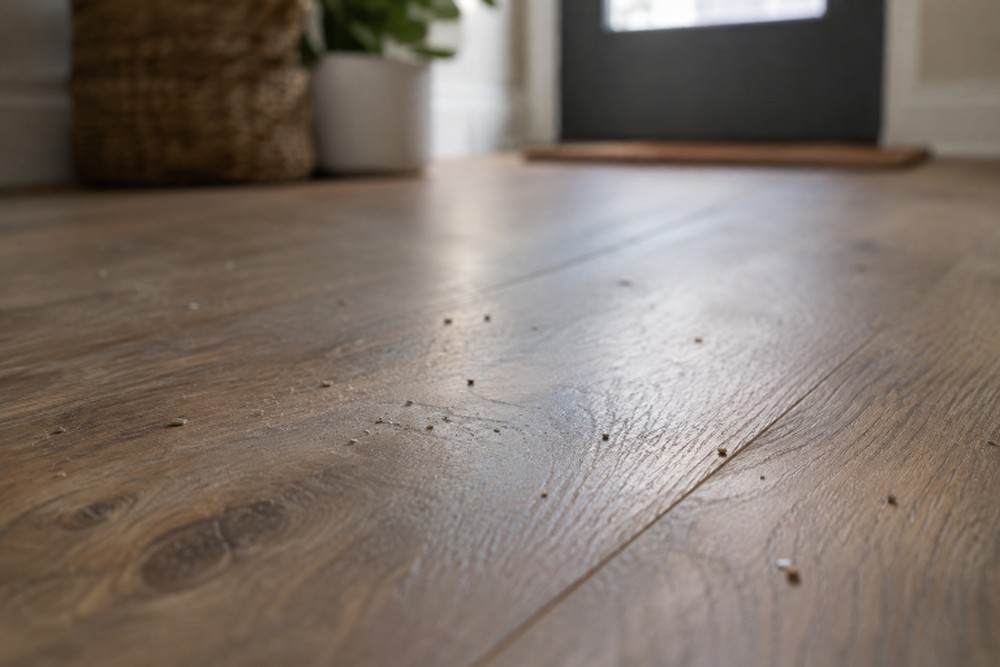
Entry areas need surfaces that can tolerate dirt, moisture, and repeated foot traffic. Tile, quality luxury vinyl, and properly finished wood can all work, depending on the home and maintenance expectations. Matte or low-sheen finishes and lightly varied colors often make small scratches and dust less noticeable than very dark, glossy floors. Add durable mats at exterior doors to reduce the grit that can abrade a floor finish.
Plan for Kitchens and Dining Areas
Kitchens must handle dropped utensils, food spills, chair movement, and long periods of standing. Luxury vinyl is relatively comfortable underfoot and simple to clean. Tile offers a hard, moisture-friendly surface but can feel cold or unforgiving. Hardwood brings warmth and continuity to open living spaces, although spills should be wiped up promptly. Laminate may suit some kitchens, but its water resistance varies by product, so review the manufacturer’s instructions closely.
In an open plan, connected rooms do not have to use identical flooring. Coordinate undertones and use intentional transition pieces where materials change.
Select Surfaces for Bathrooms and Laundry Rooms
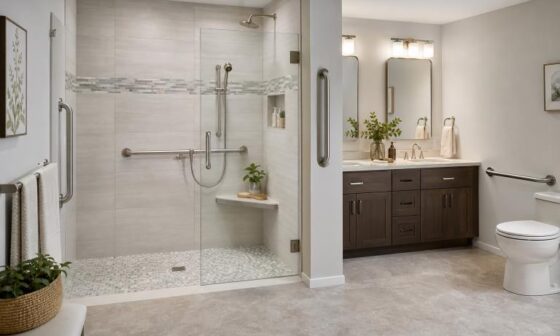
Bathrooms and laundry rooms call for moisture-resistant flooring, a sound subfloor, and careful installation around appliances and wet areas. Tile and many vinyl products are common choices. Favor textured or matte surfaces over highly polished finishes when traction is a priority. Waterproof product language does not eliminate the need to address leaks, standing water, or failed seams.
Compare Options for Living Rooms and Family Rooms
Living areas need a balance of appearance, comfort, durability, and sound control. Hardwood offers natural character and may be refinished when the product and wear layer allow it. Engineered wood provides a real-wood surface with layered construction. Luxury vinyl is a practical option for frequent messes, while carpet adds warmth and absorbs sound. Area rugs can soften hard floors and define seating areas without committing the entire room to carpet.
Create Comfort in Bedrooms and Home Offices
Bedrooms usually allow more freedom to prioritize quiet and comfort. Carpet feels soft and can reduce footfall noise, but it requires regular vacuuming and prompt stain care. Hardwood, engineered wood, laminate, and luxury vinyl pair easily with area rugs. In a home office, consider desk weight and chair casters. A suitable chair mat can help protect many flooring surfaces from repeated rolling wear.
Address Basement Flooring Concerns
Below-grade rooms deserve a moisture check before style decisions are made. Concrete slabs can transmit moisture, and unresolved drainage or plumbing problems should be corrected before a new floor goes down. The importance of controlling indoor moisture also applies to basement renovations, where flooring cannot solve an active water problem. Follow the manufacturer’s requirements for below-grade installation, vapor control, and approved underlayment.
Compare Common Flooring Materials
Hardwood and Engineered Wood
These materials are often well suited to living rooms, dining spaces, and bedrooms. Solid hardwood is valued for its natural appearance, while engineered wood may offer greater dimensional stability in some settings. Both need protection from prolonged moisture.
Luxury Vinyl, Laminate, Tile, and Carpet
Luxury vinyl can fit kitchens, hallways, family rooms, and some laundry areas. Laminate is often best reserved for locations that remain within its specified moisture limits. Tile suits bathrooms, entries, and kitchens because it is durable and easy to clean, though grout needs care. Carpet is especially useful in bedrooms, stairs, and quiet rooms. For a broader overview of how these options perform, this guide to choosing flooring for living spaces compares room function, moisture exposure, and maintenance needs.
Review Installation, Cost, and Long-Term Value
Even a high-quality floor can perform poorly over an uneven, damp, dirty, or unstable subfloor. Before installation, confirm whether the material needs acclimation, underlayment, expansion space, new trim, door adjustments, or appliance removal. Ask for an itemized estimate that separates materials, preparation, labor, transitions, disposal, and cleanup.
When comparing value, look beyond the initial price. Consider cleaning requirements, repair options, expected wear, warranty exclusions, and whether spare material can be stored for future repairs. A moderately priced surface that suits a busy kitchen may be a better long-term choice than a more expensive option that requires greater care.
Final Buying Checklist
- List each room’s main purpose and traffic level.
- Identify moisture risks, pets, children, furniture, and mobility needs.
- Narrow each room to two or three suitable materials.
- View full-size samples in your Tulsa home.
- Confirm subfloor condition and installation requirements.
- Review care instructions, warranty terms, and total project costs.
- Plan transitions before ordering and keep extra material when practical.
The right flooring is the material that works for the room and the people who use it. With thoughtful choices for moisture, traffic, comfort, and maintenance, a Tulsa home can feel cohesive while remaining ready for everyday life.