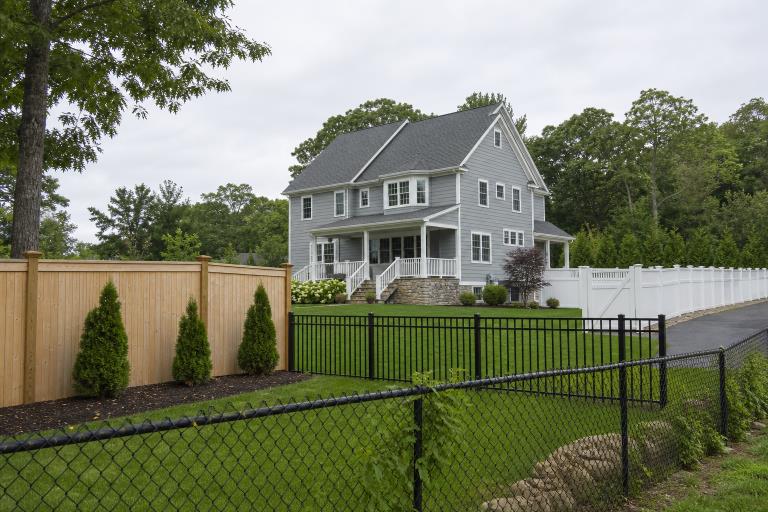
A fence can add privacy, define a property line, protect pets, improve pool safety, and change the overall appearance of a home or business. The best choice is rarely the one with the lowest initial price. Instead, it should fit the property’s purpose, weather exposure, maintenance expectations, and long-term budget.
For property owners in southeastern Massachusetts and nearby coastal communities, Tripp Fence Company is a family-owned, Carver, Massachusetts-based fencing contractor that installs, replaces, repairs, and customizes fences for residential and commercial properties. Its experience serving the South Shore, Cape Cod, southeastern Massachusetts, and select Rhode Island areas makes it a useful local resource for evaluating fencing materials, site conditions, privacy needs, pool barriers, and durable hardware for New England weather.
Start With The Main Job Of The Fence
Before comparing materials or styles, identify what the fence needs to accomplish. One fence may serve several purposes, but deciding on the primary goal helps narrow the options.
- Privacy:Solid wood or vinyl panels can create a more enclosed backyard.
- Pet containment:Chain link, vinyl, wood, and specialty layouts can keep dogs safely within the yard when gates and bottom edges are properly secured.
- Pool safety:A pool fence must be designed in accordance with applicable barrier, gate, and latch requirements.
- Decorative boundaries:Aluminum, picket, and low-profile fences can define an area without blocking views.
- Commercial security:Chain link, ornamental metal, privacy screening, and controlled-access gates may suit business properties.
- Farm and animal use:Ranch rail, livestock fencing, and reinforced enclosures are built around the needs of the animals being contained.
Compare Common Fence Materials
Wood Fencing
Wood offers a classic appearance and substantial design flexibility. Homeowners can choose privacy panels, picket fencing, horizontal boards, lattice accents, or custom layouts that complement the home. The trade-off is maintenance. Wood should be inspected for loose boards, moisture damage, insect activity, and aging fasteners. Staining or sealing can help preserve its appearance and performance, especially where rain, shade, and snow create prolonged damp conditions.
Vinyl Fencing
Vinyl is a strong option for homeowners who want a clean, private, or picket fence with less routine upkeep. It resists rot, pests, and moisture, and periodic washing is usually enough to maintain its appearance. Vinyl is available in privacy, picket, ranch-rail, and decorative styles. Its higher upfront cost and the possibility that a damaged panel may need replacement rather than a simple repair are important considerations.
Aluminum Fencing
Aluminum fencing is lightweight, rust-resistant, and well-suited to front yards, pool areas, slopes, and properties where visibility matters. It provides a polished, ornamental look with relatively low maintenance. However, its open design does not provide meaningful privacy unless it is combined with landscaping or screening. Decorative post caps, finishes, and gate styles allow the fence to feel more customized.
Chain Link Fencing
Chain link remains a practical choice for pets, large yards, utility areas, athletic spaces, and commercial boundaries. Galvanized and vinyl-coated options offer different appearances and corrosion resistance. Privacy slats or screening can improve seclusion, while mesh size, fence height, gates, and bottom-edge details should match the intended use. It is often economical, though its utilitarian look may not suit every front yard.
A Quick Material Comparison
- Wood:High privacy and strong curb appeal, with moderate to high upkeep.
- Vinyl:High privacy and low upkeep, with a higher starting investment.
- Aluminum:Low upkeep and excellent visibility, but limited privacy.
- Chain link:Practical containment and security at a lower starting cost, but less visual privacy without screening.
Account For New England Weather And Site Conditions
Rain, snow, freeze-thaw cycles, wind, coastal air, and damp shade can all affect fence performance. Corrosion-resistant fasteners, sturdy posts, proper post depth, and reliable gate hardware matter as much as the panels themselves. Drainage also deserves attention. Standing water, rocky soil, tree roots, slopes, and limited equipment access can affect both installation methods and project cost.
A shaded backyard that stays damp may require more vigilance with wood maintenance. An open Cape Cod or coastal lot may put greater stress on posts, gates, and exposed panels during storms. A site-specific plan is more valuable than selecting a material based solely on appearance.
Balance Privacy, Light, Wind, And Views
A tall, solid fence is not automatically the best privacy solution. It may reduce airflow, catch more wind, block sunlight, or make a compact yard feel closed in. Semi-open designs, spaced horizontal boards, lattice tops, and carefully placed landscape plantings can create privacy while still allowing light and air to move through the space.
Consider sightlines from decks, windows, driveways, sidewalks, neighboring homes, and outdoor seating areas. Gate placement should also support practical access for lawn equipment, trash bins, guests, and service vehicles.
Check Pool Safety And Local Rules Before Ordering
Pool fencing requires extra planning because a decorative design may not meet required safety standards. Review Massachusetts pool safety guidance before finalizing a layout, then confirm the specific requirements with the local building, zoning, and health departments. Fence height, opening size, gate swing, self-closing hardware, and latch placement can all affect compliance.
Property owners should also confirm property boundaries, setback rules, HOA requirements, and permit obligations before materials are delivered. A current survey or professional boundary review can prevent costly changes after installation begins.
Estimate The Full Project Cost
A meaningful fence budget includes more than a price per linear foot. Measure the fence line, choose the material and height, and count every walk gate, drive gate, corner, and specialty hardware item. Also, ask whether the estimate includes old fence removal, disposal, permits, clearing, grading, rock removal, delivery, cleanup, staining, and warranty coverage.
The lowest estimate may exclude work that another contractor includes. Compare written proposals line by line to ensure material quality, post-specifications, gates, hardware, and site preparation are evaluated fairly.
DIY Or Professional Installation?
A short, level fence run can be manageable for an experienced homeowner with the right tools and time. Long runs, slopes, rocky ground, pool barriers, heavy gates, and commercial sites require more precise layout and installation. Posts must be aligned, set securely, and positioned to support proper drainage and smooth gate movement. This fence planning guide from This Old House offers useful general considerations for choosing materials, measuring a property, and checking local regulations.
Questions To Ask Before Hiring A Fence Contractor
- Which material best fits the soil, drainage, and weather exposure?
- How will property lines and the fence layout be confirmed?
- What posts, fasteners, concrete, and gate hardware are included?
- How will slopes, roots, rock, and difficult access be handled?
- Does the design meet applicable pool, zoning, HOA, or commercial requirements?
- What maintenance and warranty coverage should the owner expect?
- Who handles the removal of the old fence and the final cleanup?
Common Fence Planning Mistakes To Avoid
- Choosing a fence based only on appearance or initial cost.
- Skipping property-line research and local rule checks.
- Forgetting gate locations, access paths, drainage, or slope changes.
- Assuming all decorative fences meet pool barrier requirements.
- Comparing estimates that include different materials or levels of site work.
- Ignoring future cleaning, staining, repairs, and hardware inspections.
Frequently Asked Questions
What is the best fence material for privacy?
Wood and vinyl are usually the leading choices for full privacy. Wood offers a natural, customizable look, while vinyl generally requires less routine maintenance.
What is the lowest-maintenance fence material?
Vinyl and aluminum usually require less upkeep than wood, though both still benefit from periodic cleaning and gate or hardware inspections.
Is chain link good for dogs?
Yes, if the fence height, mesh, gates, and bottom edge are appropriate for the dog’s size and behavior. Some yards may also need dig guards or privacy screening.
Final Decision Checklist
- Identify the fence’s primary purpose.
- Compare material costs, upkeep, and expected service life.
- Review weather exposure, drainage, soil, and slopes.
- Confirm boundaries, gates, permits, and local rules.
- Compare detailed written estimates and warranties.
The right fence works with the property, supports daily needs, and remains practical to maintain over time. Careful planning before installation can help homeowners and business owners avoid costly changes later while also enhancing privacy, safety, security, and long-term value.