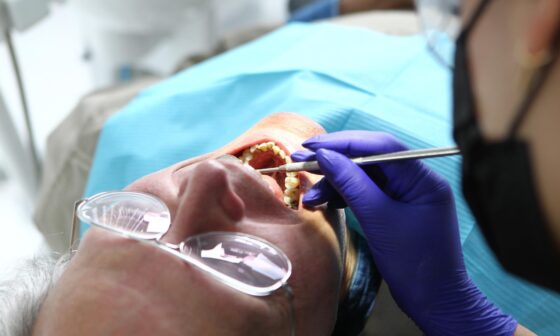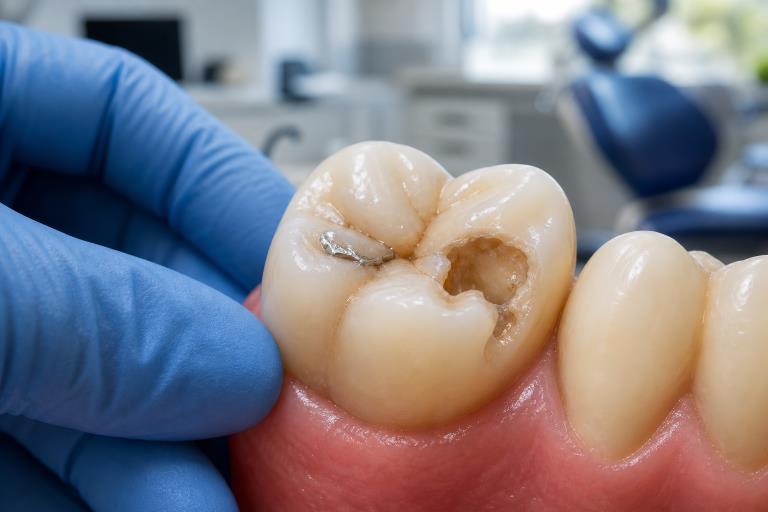
Hearing that a tooth may need to be removed can feel overwhelming, especially if the tooth has caused pain for a long time or if the recommendation comes unexpectedly. Learning why removal is being considered, what the procedure may involve, and how to prepare for healing can make the decision more manageable. Patients considering a tooth extraction in Urbana, OH, should expect a conversation that looks beyond the immediate problem and considers their long-term oral health. Tooth removal is not always the first choice. Dentists commonly explore ways to preserve a natural tooth through fillings, crowns, root canal treatment, or gum treatment when those options are safe and likely to last. However, a severely damaged, infected, loose, or poorly positioned tooth may reach a point where removal is the more predictable option. Pain is important, but it does not always reveal the full extent of a tooth’s condition. Some cracked, infected, or weakened teeth cause little discomfort until the problem becomes more advanced. A dental examination and imaging can help show whether the tooth can be restored, whether the surrounding bone is healthy, and whether nearby teeth or nerves could affect treatment. The right decision is personal. It may depend on the tooth’s location, the amount of healthy structure remaining, the condition of the roots and gums, a person’s overall health, and plans for replacing the tooth afterward. A clear explanation of the options can help patients make an informed choice rather than feeling rushed into treatment. For patients who want to discuss diagnosis, treatment planning, and recovery expectations with a local dental team, Champaign Dental can be a useful starting point for learning about available care.
Why Tooth Removal May Be Considered
Extraction may be recommended when decay has destroyed too much tooth structure, a fracture extends below the gumline, infection cannot be controlled predictably, or advanced gum disease has left the tooth without enough support. Removal may also be part of orthodontic treatment for crowding or necessary for an impacted tooth beneath the gums. The goal is not simply to remove a problem tooth, but to protect comfort, function, and the health of surrounding tissues.
Questions to Ask Before Treatment
Bring questions to the appointment and ask for answers in plain language. Helpful questions include:
- Can this tooth be repaired safely, and how long might that repair last?
- What could happen if treatment is delayed?
- Would a second opinion be reasonable?
- Is a simple or surgical removal expected?
- What should recovery look like for this specific tooth?
- Will the missing tooth need to be replaced?
- What costs could arise before, during, and after treatment?
How Dentists Assess a Troubled Tooth
A dentist typically combines an oral examination with X-rays or other imaging. Images can reveal roots, hidden decay, bone levels, infection, the location of an impacted tooth, and the relationship between roots and nearby structures. Medical history matters too. Patients should report medications, blood thinners, allergies, pregnancy, diabetes, immune conditions, and prior reactions to anesthetics or sedatives. These details help the dental team tailor treatment and aftercare safely.
Evaluating these factors early allows the dental team to outline clear expectations for recovery and ongoing care. Patients who prefer to consult a dedicated Dental clinic can review treatment choices and personalized restoration plans with experienced professionals before moving forward with any surgical procedures. This approach ensures that short-term relief aligns with long-term oral health goals.
Simple Versus Surgical Removal
Simple Extraction
A simple extraction generally involves a tooth that is visible above the gumline and accessible with standard instruments. A local anesthetic is used to numb the area, and the dentist gently loosens and removes the tooth.
Surgical Extraction
A surgical extraction may be needed when a tooth is broken at the gumline, trapped beneath gum or bone tissue, or difficult to reach. It can involve a small gum incision, removal of a small amount of bone, or dividing the tooth into sections. Recovery may involve more swelling or soreness, but every plan depends on the tooth and the individual patient.
What to Expect on Treatment Day
The visit usually begins with a review of the plan, consent forms, health history, and medications. The dental team then uses local anesthetic and, when appropriate, additional comfort measures. After the tooth is removed, gauze is placed to help control bleeding, and stitches may be used for some surgical cases. Written instructions should explain eating, activity, oral hygiene, and medication directions. Anyone receiving sedation should arrange a ride home and follow pre-appointment fasting instructions exactly.
The First 72 Hours and Daily Care
During the first day, mild bleeding, tenderness, and swelling are common. A protective blood clot forms in the socket, so patients should avoid actions that could dislodge it, including vigorous rinsing, forceful spitting, smoking, and using a straw unless their provider says otherwise. On days two and three, swelling and soreness can become more noticeable before improving. Most people begin to feel better between days four and seven, although deeper healing continues after the gum looks closed. Choose soft foods such as yogurt, eggs, applesauce, oatmeal, mashed vegetables, and soups that are not overly hot. Drink water, rest, and use pain medicine only as directed. Brush and floss the other teeth carefully, avoiding direct contact with the treatment area. The American Dental Association offers additional information on tooth extraction recovery, including practical guidance on protecting the blood clot and avoiding tobacco during early healing.
Warning Signs That Need Attention
Call the dentist or oral surgeon if bleeding does not slow with steady pressure, swelling keeps increasing, fever develops, pus appears, or a bad taste persists. Severe pain that worsens after initial improvement, especially a few days after treatment, may indicate dry socket and should not be ignored. Difficulty breathing or swallowing requires urgent medical attention. Ongoing or unexpected numbness should also be reported promptly.
Replacing a Missing Tooth
A missing tooth can affect chewing, speech, bite balance, confidence, and the position of nearby teeth. Depending on the location and a patient’s goals, replacement options may include a bridge, removable denture, or dental implant. Timing depends on healing, bone health, infection control, and whether grafting is needed. Whenever possible, discuss replacement planning before removal so the next step is not an afterthought. Pain control should also be part of the conversation. Ask about non-opioid options, medication interactions, and safe storage or disposal if an opioid is prescribed. Patients can review current research on opioid prescribing after tooth extraction before discussing individualized pain-management choices with a qualified dental professional.
Final Recovery Checklist
- Rest and keep the first day low-key.
- Protect the blood clot at the extraction site.
- Eat soft foods and stay hydrated.
- Take medication only as directed.
- Avoid tobacco and strenuous activity until cleared.
- Contact the dental office if symptoms worsen instead of improving.
- Attend follow-up visits when recommended.
Tooth removal can be stressful, but preparation and careful aftercare make the process easier to manage. Understanding the reason for treatment, asking thoughtful questions, and knowing when to call for help can support a safer recovery and a healthier long-term plan for your smile.
Conclusion
Tooth removal is a decision made to protect long-term oral health, comfort, and function when a tooth cannot be safely restored. Understanding the reason for extraction, reviewing available options, and preparing for recovery can help patients feel more confident throughout the process. Following aftercare instructions, watching for warning signs, and maintaining regular dental care are important steps toward healing. When a tooth must be removed, planning for replacement options early can also help preserve chewing ability, appearance, and overall dental stability. With clear communication between the patient and dental team, tooth extraction can become a manageable part of maintaining a healthy smile.