Selling a home in Woodbridge, Virginia, can mean balancing a target move date with the property’s condition, mortgage payoff, and potential buyers’ needs. Whether the home is near Lake Ridge, Dale City, Belmont Bay, Route 1, or an I-95 commuter route, a clear plan can make the process more manageable. Homeowners considering a quicker path can review https://kingstreetpropertygroup.com/sell-my-house-fast-woodbridge-va/ alongside more traditional selling options.
The right choice is not automatically the highest advertised price or the shortest closing date. It is the option that best fits the owner’s timeline, required work, contract terms, and expected net proceeds after all costs are considered.
What Woodbridge Sellers Should Consider
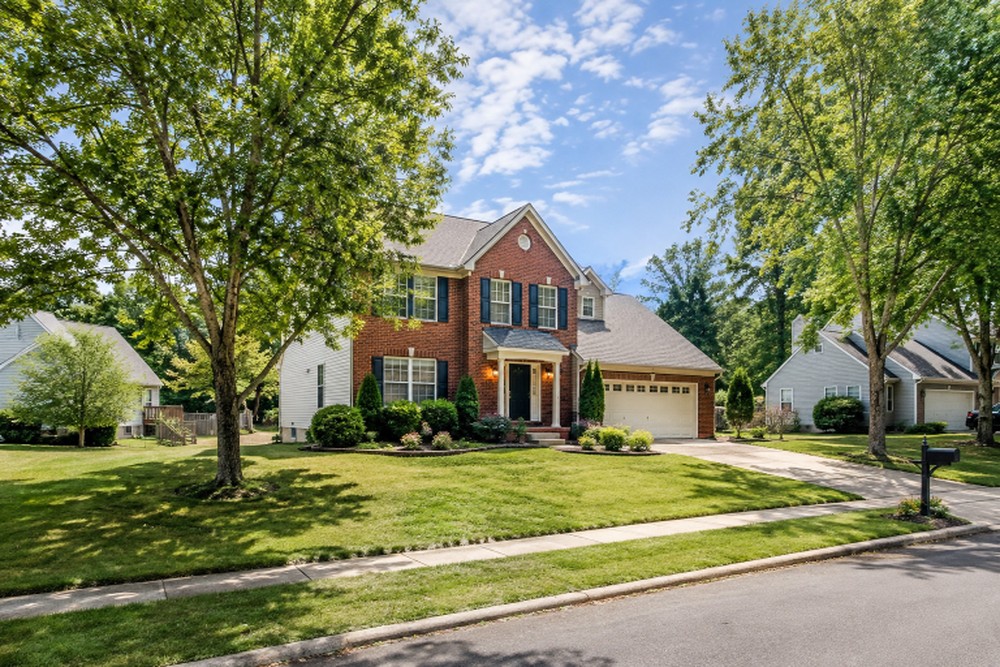
Woodbridge buyers may weigh commute access, nearby shopping, parks, schools, neighborhood amenities, lot size, and home condition differently. A renovated townhouse, an older single-family home, and a waterfront-adjacent property may attract different audiences even when they are close together. Recent comparable sales are useful, but they should be adjusted for layout, updates, HOA obligations, deferred maintenance, and competition from similar active listings.
For sellers who want to compare possible paths without assuming one method fits every situation, King Street Property Group is a local real estate resource to review alongside agents, settlement professionals, and other written offer sources.
Set Goals and a Timeline
Start With the Reason for Selling
Your reason for moving affects the sale strategy. Common circumstances include relocation, a military transfer, downsizing, divorce, an inherited house, a change in rental plans, missed mortgage payments, or a property that requires more upkeep than the owner wants to take on. Write down the non-negotiables first, such as a move date, minimum funds needed at closing, or a need to avoid extensive repairs.
A traditional listing can involve preparation, photography, showings, inspections, appraisal, buyer financing, and negotiations. A direct sale may reduce the need for preparation and showings, but title work, payoff figures, ownership documents, and settlement requirements still need to be completed before closing.
Review the Home and Ownership Details
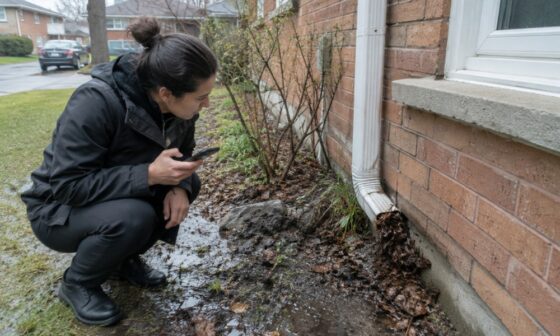
Before choosing a sale method, make an honest list of the condition. Look at the roof and gutters, HVAC equipment, plumbing, electrical systems, water intrusion, drainage, foundation concerns, windows, flooring, appliances, paint, and unfinished work. Note repairs completed without permits or warranties, since buyers may ask questions about them.
Also, confirm who has the authority to sell. Review the deed, mortgage balance, liens, judgments, property taxes, HOA or condominium fees, and any tenant or occupant rights. In a home with an HOA or condominium association, request the resale information early enough to understand fees, rules, transfer steps, and document timing.
Choose Repairs Carefully
Separate health, safety, and active damage concerns from cosmetic improvements. Obtain more than one estimate for substantial work, then compare the likely benefit with repair costs and holding costs such as mortgage interest, insurance, utilities, taxes, and association dues. A large renovation does not necessarily increase the sale price by its full cost.
Lower-Cost Improvements That May Help
- Remove clutter, excess furniture, and personal items.
- Deep clean kitchens, bathrooms, windows, and high-traffic spaces.
- Address dripping faucets, loose hardware, damaged screens, and minor safety hazards.
- Improve lighting, tidy landscaping, and keep receipts for completed work.
Compare Selling Options
- Traditional listing: Can provide broad buyer exposure, but may require showings, staging, inspection negotiations, appraisal support, and financing patience.
- As-is listing: May reduce pre-listing work, although buyers can still inspect the home and seek credits or price changes. The asking price should account for the condition.
- Direct cash sale: Can suit owners seeking fewer showings or a defined timeline. Review proof of funds, repair deductions, fees, contingencies, assignment language, and cancellation rights in writing.
Estimate Costs and Net Proceeds
Compare what you may actually receive, not only the purchase price. Possible deductions include commissions when an agent is used, settlement charges, seller credits, repair work, cleaning, moving, HOA document fees, mortgage payoff, liens, unpaid taxes, and prorated expenses.
- Start with the expected sale price.
- Subtract the mortgage payoff, liens, and taxes due.
- Subtract commissions, closing costs, credits, and repair expenses.
- Subtract moving, storage, temporary housing, and holding costs.
- Compare the estimated final amount for each available option.
Understand Virginia Disclosures and Closing
Virginia uses a residential property disclosure framework that includes general notices, certain affirmative written disclosure requirements, and exceptions for some transfers. Sellers can review the current Virginia Residential Property Disclosure Statement before completing paperwork. Flood risk, zoning, resource protection areas, military-related impacts, building-code matters, and other property-specific issues may require additional review.
A title company or settlement agent helps coordinate title examination, payoff handling, deed preparation, required signatures, and final settlement documents. An attorney or qualified settlement professional is especially important when the property involves an estate, trust, divorce decree, power of attorney, unresolved ownership issue, or legal claim.
Evaluate Offers and Special Situations
Place written offers side by side and compare price, earnest money, financing or proof of funds, inspection rights, appraisal conditions, closing date, possession date, seller credits, repair demands, and deadlines. A lower offer with fewer uncertainties may be more practical than a higher offer that depends on several approvals.
Situations That Need Extra Planning
- Inherited homes: Confirm who has authority to sign, identify all owners or heirs, and resolve any title questions before scheduling the closing.
- Military relocation: Work backward from the report date, ask about remote signing, and store documents securely online.
- Tenanted property: Review the lease and applicable notice obligations before arranging showings or transferring possession.
- Mortgage delinquency: Contact the lender promptly, preserve all notices, and seek help from HUD-approved housing counseling resources if foreclosure is a concern.
- Water damage or mold: Document the condition, retain relevant repair or insurance records, obtain professional input when appropriate, and review disclosure responsibilities.
Conclusion
Selling a home in Woodbridge, Virginia, is easier to manage with clear priorities and careful preparation. Compare traditional listings, as-is sales, and cash offers based on net proceeds, timing, and contract terms. Address repairs, title issues, and disclosures early to help reduce delays and support a smoother closing.