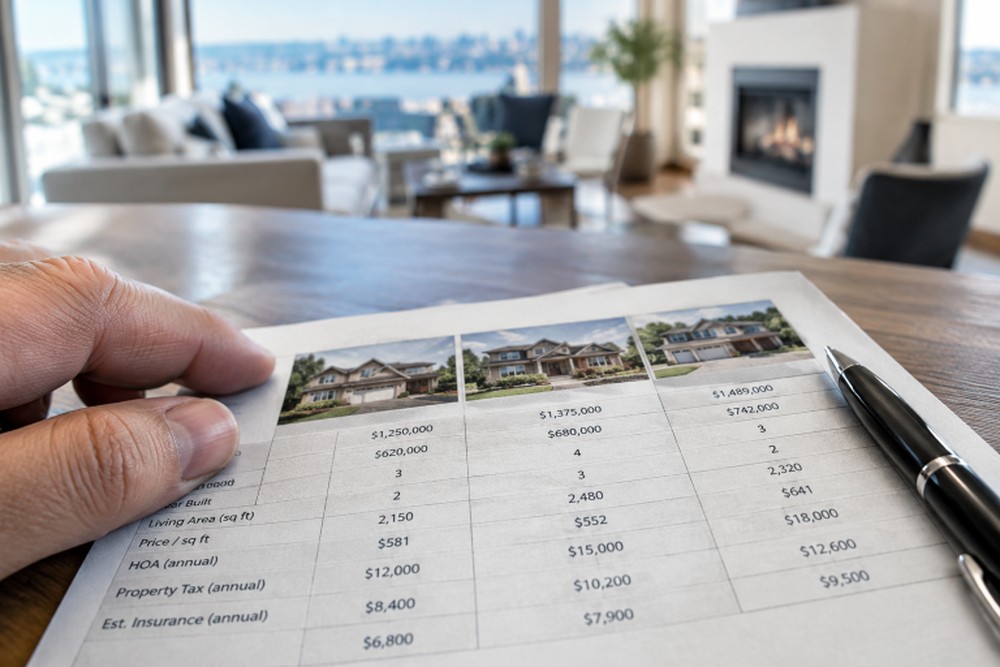
Selling a home in Bellevue, Washington involves more than selecting an asking price and putting up a sign. Whether the property is a Downtown Bellevue condo, an older Lake Hills home, or a wooded Bridle Trails residence, sellers need a plan that accounts for condition, timing, costs, and the next move. Homeowners who want to compare a listing with a quick cash offer in Bellevue, WA should evaluate the complete terms, not just the number displayed at the top of an offer.
Bellevue remains a competitive market, but that does not mean every property sells on the same schedule or under the same terms. A well-maintained home with broad buyer appeal may attract strong attention, while a home with deferred maintenance, tenant issues, unusual layout, or a tight deadline may require a different approach.
Start With the Goal, Not the Listing Method
Before choosing a sale path, identify what matters most. A seller relocating for work may need a dependable closing date. Someone handling an inherited home may want fewer repairs and fewer showings. Another owner may have enough time and funds to prepare the home carefully to achieve the strongest possible market price.
- Do you need to close by a specific date?
- Are you trying to minimize repair work and buyer visits?
- Do you need to reduce the carrying costs of mortgages, utilities, insurance, or taxes?
- Is the property vacant, inherited, rented, or owned by multiple people?
- Would a longer marketing process create financial or personal strain?
For sellers reviewing direct-sale options alongside a conventional listing, https://everesthomebuyers.com/ provides a starting point for understanding one company’s home-buying process. Any seller should still read proposed terms carefully and compare them with other available options.
Review Bellevue Market Conditions Before Picking a Date
Recent local data can help set expectations, but it should not replace a property-specific analysis. For the three months ending September 2026, the Bellevue housing market showed a median sale price near $1.5 million and a median of 24 days on market across home types. Those figures are useful context, yet a condo with substantial HOA dues and a single-family home with a large lot are not directly comparable.
Review recent closed sales, active listings, pending homes, and price reductions that resemble your property. Pay attention to square footage, lot size, condition, views, school-area preferences, parking, HOA obligations, and access to major employment centers. Current competition often matters as much as last year’s headline sale.
Build a Realistic Selling Timeline
A sale typically moves through planning, preparation, marketing, offer review, escrow, and closing. Even when an offer arrives quickly, the transaction may still depend on inspections, title work, lender underwriting, appraisal, document signing, and a final walkthrough.
- Planning: Confirm ownership, loan payoff information, preferred move date, and likely selling expenses.
- Preparation: Complete selected repairs, cleaning, decluttering, landscaping, photography, and disclosures.
- Marketing: Schedule showings, collect feedback, and monitor competing listings.
- Offer review: Compare price, financing, contingencies, earnest money, repair requests, and closing dates.
- Closing: Review the settlement statement, transfer utilities, remove belongings, and deliver keys as required.
Choose Repairs With Purpose
Not every project deserves the same budget. Address active leaks, visible water damage, unsafe railings, broken doors or windows, obvious electrical concerns, and major cleanliness issues first. In Bellevue’s wet climate, drainage, roof condition, signs of moisture, and exterior maintenance can raise buyer questions, so unresolved problems should be assessed realistically.
Large remodels can be harder to justify when time is limited. A luxury kitchen renovation, addition, or permit-heavy project may cost more and take longer than expected. A clean, functional, well-presented home is often a more practical goal than a home renovated to match every buyer’s personal taste.
Compare a Traditional Listing With an As-Is Sale
- Traditional listing: May offer wider exposure and higher gross-price potential, but can require repairs, staging, showings, inspections, appraisal support, and negotiation after the offer is accepted.
- As-is sale: May reduce preparation and simplify scheduling, particularly for a property needing work. However, the seller should examine the offer price, closing costs, deductions, contingencies, and proof of funds.
- Hybrid approach: Some sellers obtain a direct offer, then compare it with an agent’s estimated net proceeds from a conventional sale.
Calculate Net Proceeds, Not Just Sale Price
A useful working formula is: estimated net proceeds = sale price minus loan payoff, selling costs, repairs, carrying costs, and moving expenses. Selling costs may include commissions when applicable, escrow and title charges, cleaning, storage, landscaping, and negotiated buyer credits. Washington sellers should also account for applicable real estate excise tax obligations before finalizing a budget.
For example, a higher offer may look better initially but produce less money if it requires extensive pre-sale repairs, several extra mortgage payments, a price reduction, or a large inspection credit. Compare each scenario using the same categories and realistic estimates.
Account for Bellevue Neighborhood Differences
Broad citywide averages cannot establish the value of one property. Buyers in downtown Bellevue may focus on building rules, dues, parking, and assessments. In Crossroads and Lake Hills, buyers may compare lot size, age, layout, and renovation potential. Somerset homes may invite questions about views, slopes, drainage, retaining walls, and access. In Bridle Trails, wooded surroundings and lot characteristics can affect expectations.
Questions to Ask Before Accepting an Offer
- What will I likely receive after every fee, payoff, and credit?
- Is financing, appraisal, inspection, or sale of another property a condition of the offer?
- Who pays specific closing costs, and are deductions stated in writing?
- Can the closing date support my move, replacement housing, or tenant situation?
- What happens if the buyer cancels or requests repairs later?
When Professional Guidance Is Especially Useful
Consult appropriate professionals when a sale involves probate, divorce, bankruptcy, foreclosure notices, tenants, unclear title, multiple owners, tax concerns, or unpermitted work. A real estate attorney, tax adviser, escrow officer, or experienced real estate professional can address different parts of the transaction.
Conclusion
A successful Bellevue home sale begins with clear priorities and realistic numbers. Compare timing, preparation, risk, carrying costs, and likely net proceeds before committing to a strategy. Whether you list traditionally, sell as-is, or explore another route, a careful side-by-side review can reduce surprises and help you move forward with greater confidence.