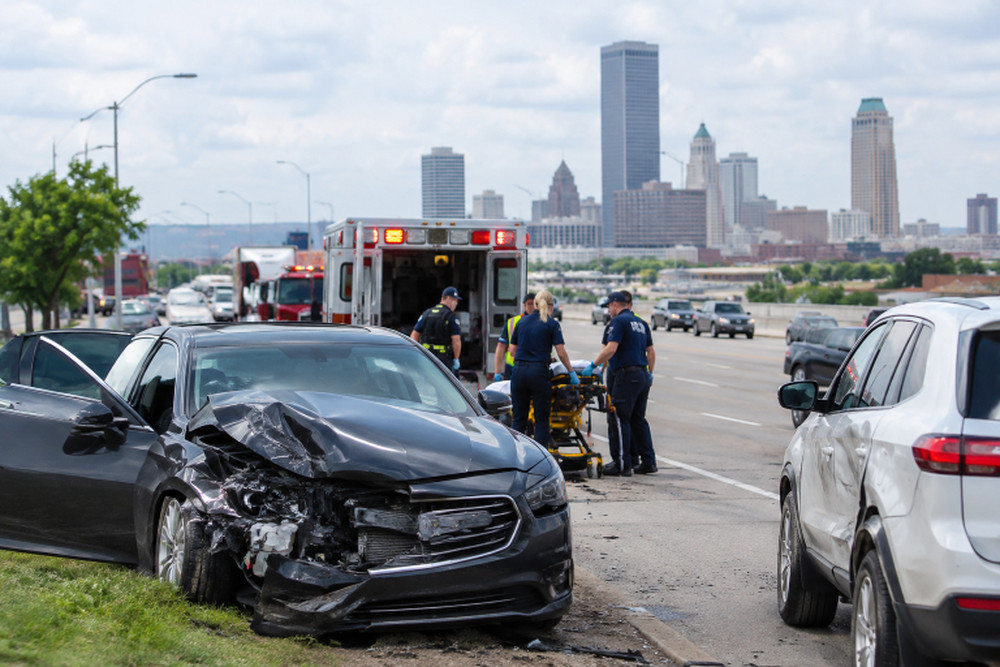
A serious crash can turn an ordinary drive through Tulsa into a confusing and stressful experience. Whether the collision happens near downtown, on I-44, along U.S. 169, or on a neighborhood street, the first priorities are safety, medical care, and clear documentation. When injuries, disputed fault, or multiple insurance policies complicate the situation, speaking with a trusted accident attorney in Tulsa Oklahoma may help a person understand the questions they need to ask.
The hours and days after a wreck matter because vehicles are repaired, witnesses become harder to reach, and symptoms may change. A practical plan can reduce unnecessary confusion: protect everyone at the scene, obtain appropriate care, preserve records, and communicate carefully with insurers.
Table Of Contents
- The First Hours After a Crash
- Why Prompt Medical Care Matters
- How To Preserve Useful Evidence
- What To Know Before Calling an Insurer
- How To Build a Records File
- Extra Steps for Serious Injuries
- Deadlines and Claim Timing
- Mistakes That Can Make a Claim Harder
- Common Questions After a Crash
The First Hours After a Crash
Safety comes before photographs, insurance calls, or debates about who caused the collision. Move out of traffic if it is safe to do so, turn on hazard lights, and call 911 when someone has a serious injury, a vehicle creates an immediate hazard, or emergency help is needed. If there is no emergency, contact the appropriate law enforcement agency and follow its instructions.
Exchange names, contact details, license plate numbers, insurance information, and vehicle descriptions. Ask witnesses for their names and phone numbers, and request the responding officer’s name and report number. Stay calm. Do not guess about speed, injuries, or fault, and avoid arguments at the scene.
Why Prompt Medical Care Matters
Medical care is about protecting health, not simply creating paperwork. Pain, stiffness, headaches, dizziness, or concentration problems may not be obvious immediately after the impact. The symptoms of mild traumatic brain injury and concussion can affect how a person feels, thinks, sleeps, or behaves, and some symptoms may appear hours or days after an injury.
Pay Attention To Changes
Seek emergency care for severe or worsening symptoms, and contact a medical provider when new pain or other concerning symptoms develop. Follow discharge instructions, attend recommended follow-up visits, and explain any unavoidable treatment gap. A simple daily symptom diary can record pain levels, sleep problems, mobility limits, medications, and changes in work or household activities.
How To Preserve Useful Evidence
Evidence can disappear quickly after a crash in Tulsa. Vehicles are towed, road conditions change, repairs begin, and nearby video may be overwritten. Only take photos or collect information when it is safe.
Evidence Checklist
- Photographs of every vehicle from several angles.
- Images of lane markings, traffic signals, signs, debris, lighting, and weather conditions.
- Pictures of visible injuries, damaged clothing, child seats, phones, or personal property.
- Witness contact information and a brief note about what each person observed.
- Police reports, tow records, repair estimates, and rental-car paperwork.
- Dashcam footage or possible video from nearby homes and businesses.
What To Know Before Calling an Insurer
Reporting a crash is different from agreeing to a settlement. Have the basic facts ready, including the date, location, vehicles involved, report number, and claim number if one has been assigned. The steps for filing an Oklahoma auto claim include exchanging information, obtaining a police report, documenting the scene when possible, and promptly contacting the insurer.
Give accurate information, but do not speculate about fault, predict how long recovery will take, or minimize symptoms that are still being evaluated. Read requests for recorded statements, broad medical authorizations, and settlement documents before signing. An early offer may not account for later treatment, missed work, or other consequences that are not yet clear.
How To Build a Records File
Create one paper folder, digital folder, or secure cloud folder for crash-related information. Use dates in file names and write down every insurer call, including the representative’s name, the date, and the main points discussed.
- Save medical records, bills, prescriptions, test results, and appointment summaries.
- Keep police reports, employer incident reports, and towing paperwork.
- Store repair estimates, vehicle photographs, rental records, and property-damage receipts.
- Track missed work with pay stubs, employer notes, and calendar entries.
- Keep receipts for medication, parking, travel, mobility equipment, and household assistance.
Extra Steps for Serious Injuries
Severe injuries can affect more than immediate medical bills. Rehabilitation, surgery, mobility limits, emotional distress, reduced work capacity, and help with daily tasks may all need attention. Families dealing with a fatal collision may also face urgent financial and practical responsibilities while grieving.
For example, someone may feel fine after a rear-end crash but develop headaches and difficulty concentrating two days later. That person should seek medical advice, explain when the symptoms began, follow the provider’s guidance, and preserve a dated record of changes.
Deadlines and Claim Timing
There is no single deadline that fits every case. Insurance reporting requirements, workplace notices, claims involving government entities, and civil filing deadlines can differ depending on the facts and parties involved. Write down the crash date, keep copies of every letter or form, and identify whether a commercial vehicle, employer, public agency, or uninsured driver may be involved. Timely guidance can be important when injuries are serious or responsibility is disputed.
Mistakes That Can Make a Claim Harder
- Ignoring pain or other concerning symptoms because they did not start immediately.
- Posting detailed crash comments, photos, or recovery updates on social media.
- Discarding damaged clothing, vehicle parts, or personal property too soon.
- Guessing when answering an insurer’s questions.
- Missing appointments without documenting the reason.
- Accepting payment before the scope of medical and financial effects is understood.
- Failing to track missed work and out-of-pocket costs.
- Assuming a police report alone settles every question about fault.
Common Questions After a Crash
What If Pain Starts Several Days Later?
Seek medical care, explain when the symptoms began, and keep a dated record of how they change. Delayed symptoms still deserve attention.
Can Photos Replace Medical Records?
No. Photos can show damage or visible injuries, but they do not replace an examination, diagnostic testing, treatment notes, or medical guidance.
What If There Were No Witnesses?
A crash may still be evaluated using vehicle damage, scene photos, traffic controls, video, reports, phone data, and consistent accounts of what occurred.
Should an Early Settlement Offer Be Accepted?
Review the offer carefully before deciding. A settlement and release may affect the ability to seek additional payment connected to the same collision.
Conclusion
After a serious vehicle accident in Tulsa, focus on the next right step: protect safety, obtain appropriate medical care, preserve evidence, organize records, and communicate with insurers carefully. A checklist cannot resolve every issue, but it can help people make informed decisions during a difficult time.