The first few weeks after a tattoo or piercing determine how it will look and feel for years. Most outcomes that people label as “good luck” or “bad luck” come from choices made before, during, and right after the appointment. Technique affects how much tissue is disrupted. Placement decides how much friction and movement the area sees. Aftercare influences whether your body can form healthy new tissue without setbacks. This article breaks down how those decisions work together so you can plan a piece that heals predictably and holds up to daily life.
1. What the Skin Is Doing While You Heal
Whether you are getting a forearm tattoo or a helix piercing, the same fundamentals drive high-quality tattoo and body piercings: sterile prep, controlled technique, and follow-through. Tattoos deposit pigment in the dermis, triggering inflammation and a cleanup phase where lymph carries away plasma and debris. Piercings create a channel that must epithelialize from the edges inward while swelling subsides. When healing is supported, your body builds a stable boundary around ink or jewelry; if it is disrupted by friction, contamination, or pressure, the process slows or misdirects.
Skin with good blood flow heals faster than low-vascular areas. That is why upper arm tattoos often settle more quickly than ankle tattoos, and why cartilage piercings take longer than soft-tissue piercings. Cartilage has less circulation, so a helix or conch can be sensitive for months. If a new piercing is compressed by a headphone band or a tight hat, the tissue struggles to close evenly, which raises the risk of bumps or migration. Understanding these timelines helps you schedule around sports, travel, or seasonal sun exposure.
2. Technique and Tooling That Reduce Trauma
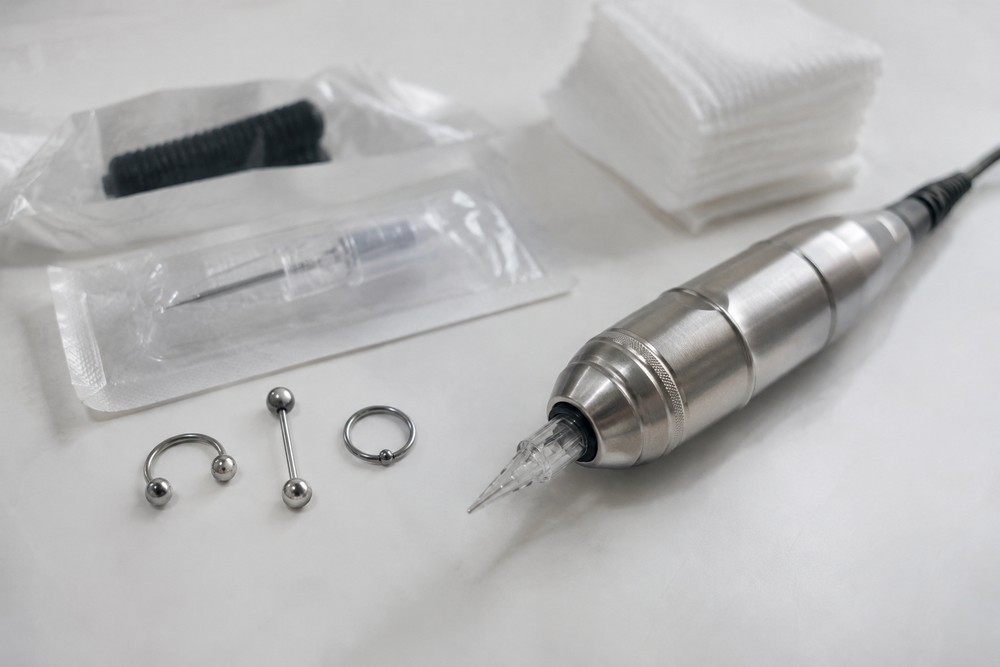
For tattoos, tool choice and hand control dictate how much the dermis is disturbed. Round liners and magnum shaders make different kinds of passes; consistent depth and speed prevent blowouts and overworking. Rotary and coil machines both perform well in trained hands, but the key is matching stroke length and needle grouping to the design and body area. Cartridge needles should be single-use and opened in front of you. Barrier film, clip cord covers, and a sharps container help isolate equipment so ink and bodily fluids never cross paths. Less trauma at the table means calmer healing afterward.
For piercings, a sterile, single-use needle creates a precise channel, unlike a spring-driven gun that can crush tissue and drive bacteria-laden parts against the skin. Angle matters. A nostril set with a clean exit path is easier to care for than one that points inward and catches on clothing. Initial jewelry must be long or wide enough to allow for swelling, but not so oversized that it snags. A well-placed, correctly sized piercing feels boring in the best way: it sits still, allows rinse-through cleaning, and does not demand constant adjustment.
3. Placement, Movement, and Everyday Contact
Motion and friction shape outcomes as much as needlework. Fine-line tattoos over wrists or fingers ride over tendons that flex thousands of times a day. That movement can soften edges faster than on the outer bicep. If you lean on a desk edge all day, a forearm tattoo placed right where your wrist rests may feel irritated longer. Similarly, ankle tattoos rub against socks and shoes; plan footwear or timing to keep the area clean and dry during the flaking stage.
For piercings, daily habits can either protect or punish tissue. Sleeping on a fresh cartilage piercing compresses the channel and can trigger hypertrophic bumps. Earbuds, helmet straps, and mask loops all add micro-movements that delay epithelialization. A realistic workaround might be switching to over-ear headphones that do not touch the site or sleeping on a travel pillow with a center opening. With navels, waistbands, and high-rise pants, they can press the jewelry; low-friction fabrics and looser fits help early on. Small tweaks to routine can save weeks of irritation.
4. Jewelry Material, Shape, and Size
Material choice has a direct relationship with tissue response. Implant-grade titanium (often labeled ASTM F-136), niobium, and implant-grade 316LVM surgical steel have stable surfaces and low nickel release. That reduces the chance of allergic reactions and improves the odds of smooth healing. Plated, mystery-metal, and low-quality alloys can shed or corrode, roughening the surface that sits against fresh tissue. If you have known sensitivities, starting with titanium or niobium is a conservative choice.
Shape influences stability. Straight posts or threadless labrets keep pressure even along a channel, while small captive bead rings concentrate force at the curve. That is why many piercers start with a post and downsize once swelling resolves. There is a trade-off: hoops can be the look you want, but they move more and can prolong healing in high-motion areas. Gauge and diameter also matter. A 16g hoop that is too tight will bite into tissue, while an oversized 14g post can catch on clothing. Plan for a downsize check once swelling calms so jewelry fits closely without compressing.
Aftercare That Matches the Procedure and Location
Tattoo aftercare balances cleanliness with moisture. In the first days, gently wash with lukewarm water and a fragrance-free soap, then pat dry. Some artists apply a medical-grade film dressing for 1 to 3 days to protect from friction and contamination; others prefer a thin layer of ointment for the first 24 to 48 hours, then switch to a light, unscented lotion. The trade-off is breathability versus barrier: films shield from snagging but must be changed cleanly; ointments can help glide but should be used sparingly to avoid clogging. Avoid soaking, picking, and direct sun. Once fully healed, daily moisturizer and broad-spectrum sunscreen preserve color and line clarity.
Piercing aftercare favors gentle, consistent rinsing. Use sterile saline twice a day to loosen dried plasma, then let the area air-dry. Skip alcohol, hydrogen peroxide, and tea tree oil, which can burn healing cells. Do not rotate jewelry; twisting breaks fragile epithelial bridges. Warm compresses can soothe cartilage that feels tight. If you notice a puffy, painless bump, it may be hypertrophic tissue from pressure or friction; evaluate fit and habits before adding products. Migration or a red, thinning line suggests the jewelry is pushing outward. Do not remove jewelry in an angry piercing, since closing over irritation can trap a problem. Seek an experienced piercer for a fit check or a timely downsize rather than guessing.
Good healing is not an accident. It is the sum of sterile setup, controlled technique, a placement that respects movement, and a plan you can stick with. Consider your calendar, clothing, headphones, hobbies, and sun exposure before booking. Ask about needle groupings and jewelry materials, choose initial pieces that allow swelling, and schedule a follow-up for downsizing. Keep tattoos clean and lightly moisturized, and keep piercings calm, saline-rinsed, and hands-off. With smart choices and steady care, your ink can stay crisp and your piercings comfortable for the long haul.