Key Takeaways
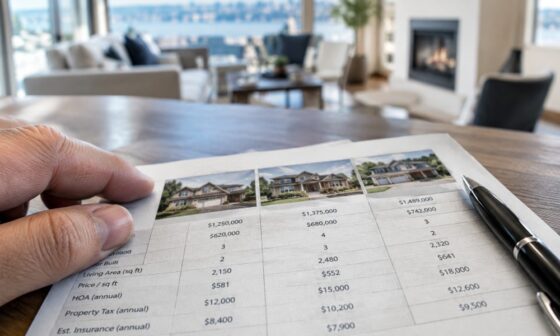
- Compare the full monthly cost, not just the advertised rent.
- Choose a layout based on how you actually sleep, work, cook, store belongings, and relax.
- Test the location during the times you expect to commute or run errands.
- Inspect the specific available apartment for light, noise, storage, and maintenance condition.
- Read the lease and screening standards before paying application or move-in costs.
Finding the right home in Ogden involves more than spotting an attractive monthly rent. Whether you are comparing affordable apartments for rent in Ogden near downtown or looking in another part of the city, the best choice is one that supports your ordinary routines as comfortably as possible.
Think beyond move-in day. A floor plan that looks good online may feel cramped with your furniture, and a convenient-looking address may create a difficult commute at the wrong hour. A clear checklist makes it easier to compare options without letting a great view, fresh finishes, or time pressure make the whole decision.
Why Price Alone Is Not Enough
Rent is important, but it is only one part of apartment living. Layout, utilities, parking, storage, noise, maintenance procedures, and lease rules all affect both your budget and your comfort. The right apartment for a remote worker may look very different from the right apartment for roommates, a household with pets, or someone who spends most weekends outdoors.
Before touring, write down your nonnegotiables and your preferences. For example, reliable parking, an in-home washer and dryer, elevator access, a dedicated work area, or room for skis and winter gear may belong on the first list. A pool, balcony, or clubhouse may be valuable, but only if you expect to use it.
Step 1: Build A Complete Housing Budget
Start with take-home income, recurring debt payments, groceries, transportation, insurance, savings, and other fixed needs. Then establish a maximum total housing amount that leaves room for unexpected expenses. Avoid treating every dollar left after bills as money available for rent.
Ask each community for a written breakdown of recurring and one-time costs. The list may include rent, utilities, internet, renters insurance, parking, pet rent, trash or service charges, deposits, application fees, and moving costs. Compare the resulting monthly total between apartments, since the lower base rent is not always the lower-cost option.
Step 2: Match Apartment Size To Your Routine
Studios
A studio can work well for someone who prefers less space to furnish and maintain. During a tour, picture the main room serving several purposes at once. Confirm there is a workable place for a bed, seating, meals, and a desk if you work or study at home.
One-Bedroom Apartments
A one-bedroom layout separates sleep from everyday activity, which can make rest and privacy easier. Check whether the living area still accommodates the furniture you need, especially if you host visitors or need a regular workspace.
Two-Bedroom Apartments
A second bedroom can serve roommates, children, guests, hobbies, or remote work. Consider the full cost carefully. Extra square footage is most useful when the additional room will solve a real daily need rather than become expensive storage.
Step 3: Read The Floor Plan Like A Daily Routine
Do not judge a layout by square footage alone. Trace the route from the front door to the kitchen, bathroom, bedroom, closets, and laundry area. Notice door swings, hallway width, windows, cabinet placement, and corners that may limit furniture placement.
Measure large items before committing to a unit, including sofas, bed frames, desks, dining tables, and shelving. Consider how groceries enter the kitchen, where shoes and coats will land, and whether the kitchen has enough usable counter and cabinet space for the way you cook.
Step 4: Compare The Location At Realistic Times
Drive or ride the route to work, school, grocery stores, health care, and the places you visit most. Test it at the same time you would normally travel, rather than relying on a midday estimate. In Ogden, it is also wise to consider winter driving, walking routes, street lighting, and how close parking is to your building entrance.
If public transportation is part of your routine, use the schedules, maps, and trip-planning tools offered by the Utah Transit Authority to check the practical connections between the apartment and your regular destinations. Visit the neighborhood once during the day and once in the evening to get a more complete sense of traffic, activity, and noise.
Step 5: Look Beyond The Apartment Door
Shared areas matter because you will use them repeatedly. Review entrances, hallways, elevators, mail or package handling, trash areas, parking, and guest access. Ask whether parking or storage is assigned, whether there is an added charge, and how visitors are expected to park.
Consider amenities with a practical eye. A fitness room, pet area, pool, rooftop lounge, outdoor seating space, or garage can be meaningful if it fits your lifestyle. Give more weight to well-maintained features you will use than to a long list of features that sound appealing but will not affect your routine.
Step 6: Inspect Light, Noise, Privacy, And Storage
Tour the actual available unit whenever possible. Open closets, cabinets, and drawers to assess usable storage. Look at bedroom windows, neighboring buildings, street exposure, and the view from the rooms where you will spend the most time.
Pause and listen. Hallway activity, traffic, elevators, nearby businesses, mechanical equipment, and neighboring apartments can all affect daily comfort. If possible, visit around the time you expect to be home. Think ahead about space for coats, boots, sports equipment, seasonal clothing, cleaning supplies, and bulky household items.
Step 7: Review The Lease, Screening, And Move-In Process
Before applying, read the written screening criteria and ask which documents are required. Confirm the application fee, deposit requirements, lease length, renewal process, notice period, guest rules, pet policies, subletting restrictions, and early-termination terms. Keep copies of the lease, addenda, payment receipts, and written communications.
Ask how routine and emergency repairs are reported, how maintenance requests are tracked, and what the move-out expectations are. Housing providers must comply with applicable fair housing requirements, and renters can review Utah fair housing protections and complaint information when questions arise regarding discrimination or reasonable accommodations.
A Simple Tour Scorecard
After every tour, score the apartment from one to five in these categories before viewing another property:
- Total monthly cost
- Commute and neighborhood fit
- Floor plan and usable space
- Light, privacy, and noise
- Storage and parking
- Maintenance process and building condition
- Lease flexibility and policies
Choose The Apartment That Works On Ordinary Days
The best Ogden apartment is not automatically the largest or the newest. It is the one that fits the budget, makes the daily commute manageable, provides functional space, and comes with lease terms you understand. By comparing full costs, touring carefully, and evaluating each option against the same checklist, you can make a more confident choice in 2026.