Lower back pain hits millions of adults each year, turning simple tasks like driving or tying shoes into tough daily chores. Most mild muscle pulls calm down after a few days of rest, light stretching, and basic home care. Certain symptoms point to deeper spine problems that call for an expert exam and focused care.
Continue reading to discover everything you need to know!
1. Your Pain Lasts Longer Than 6 Weeks
Stubborn lower back soreness that lingers past 6 weeks rarely clears up on its own. Doctors often advise medical scans when adult back pain continues past 6 weeks of basic care. Relying on repeated rounds of pain pills without finding the real cause often delays true healing.
Physical therapy and home remedies work well for minor muscle strains and stiff joints. When 6 weeks pass without steady progress, a deeper issue may be pressing on your spinal discs. A spine specialist can run targeted tests to uncover what is driving your lasting pain.
2. Pain Radiates Down Your Legs
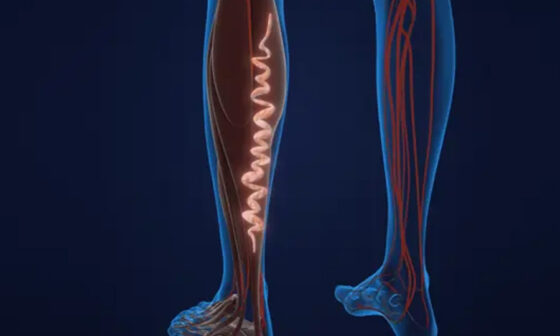
Living in Denver often means staying active on mountain hiking trails, ski slopes, and bike paths all year. When sharp pain shoots from your lower back into your legs, booking a visit with a Denver back doctor becomes a smart next step. Radiating leg pain usually shows that a spinal nerve root is pinched or swollen.
A slipped disc or narrow spinal canal often puts direct pressure on nearby nerve pathways. Long drives, heavy lifting, or sudden coughs can make this traveling ache feel much sharper. Prompt specialist care stops early nerve trouble from turning into a lasting limit on your mobility.
3. You Notice Numbness, Tingling, or Weakness
New changes in feeling or muscle strength in your lower body need quick medical review. Numbness, tingling, or weakness in your legs or feet points to nerve trouble that can cause permanent damage if ignored. Watch closely for these warning signs during your normal day:
- Pins-and-needles feelings spreading down into your calves, ankles, or toes
- Sudden leg weakness that makes climbing stairs or walking on uneven paths feel shaky
- Foot drop or trouble lifting the front part of your foot when taking a step
Pinched spinal nerves heal best when treated before signals between your spine and muscles break down. Sharing clear notes on where these signs appear helps your care team find the exact problem spot.
4. Pain Wakes You Up at Night
Normal mechanical backaches usually settle down once you lie flat and take weight off your spine. Pain that wakes you from sleep and fails to ease up after you shift positions raises a serious red flag. Nighttime pain can point to deep spinal swelling or structural issues that need a thorough exam.
Meeting with a spine specialist does not mean you will automatically need surgery. An initial visit gives you a clear diagnosis. Your care plan can include safe, non-surgical treatments built around your needs. Getting answers early helps you protect your spine before minor issues grow worse.
Take the Next Step Toward Relief
Ignoring ongoing spine symptoms can limit your mobility and keep you away from the daily activities you enjoy most. Tracking how long your pain lasts and how it behaves gives you a clear plan for getting help. If any of these 4 signs sound familiar, schedule a visit with a qualified spine specialist to review your symptoms and explore your care options.
Did this guide help you? Check out the rest of our site for more!