Key Takeaways
- Choose games with simple rules, short rounds, and flexible skill levels.
- Give guests more than one way to participate, including watching, helping, or chatting.
- Create clear zones for games, food, rest, and conversation.
- Keep the focus on comfort, connection, and good sportsmanship instead of winning.
- Prepare for weather changes, mobility needs, and a range of food preferences.
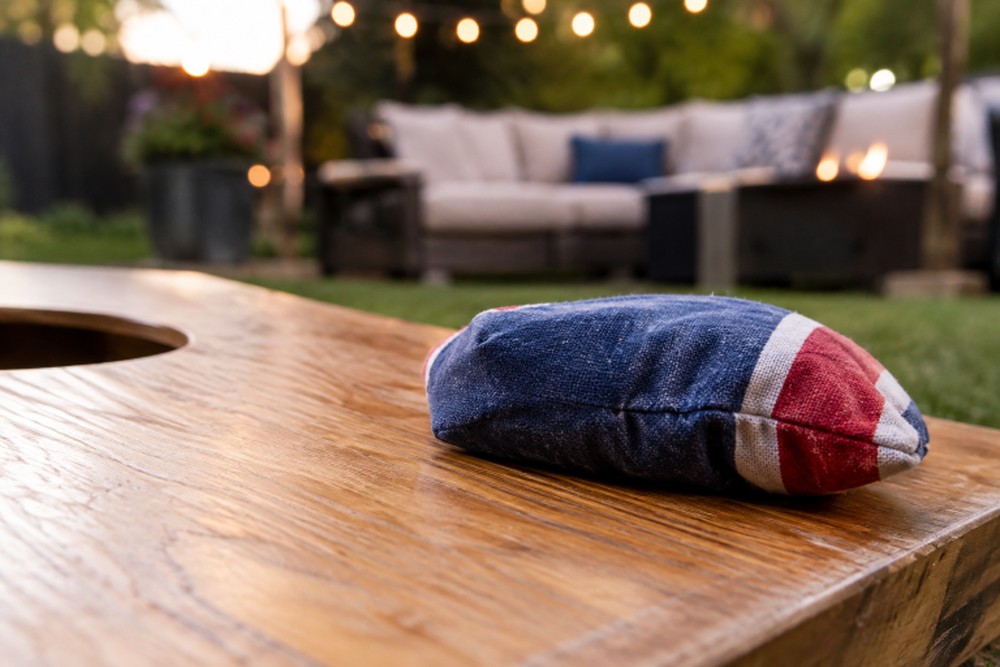
A backyard game night can turn an ordinary evening into an easygoing chance for friends, relatives, neighbors, and new acquaintances to spend time together. Set up a few simple activities, comfortable seating, and optional game areas. For example, an alcohol cornhole board can be an adults-only option when it fits the group, while a standard beanbag game keeps the activity open to guests of every age.
The most welcoming gatherings do not depend on perfect weather, expensive equipment, or highly competitive players. They give people a shared reason to laugh and talk while allowing them to participate at their own comfort level.
Why Game Nights Work
Games create a natural topic of conversation. Guests can comment on a close toss, compare childhood favorites, help a teammate, or laugh about a missed turn. That shared activity can make introductions feel less formal and give quieter guests an easy way to join in without carrying the conversation alone.
Choose The Right Format
Match the structure to the people you have invited. A flexible plan works better than a minute-by-minute schedule, especially when guests may arrive at different times or want breaks.
- Drop-in format: Guests can arrive, play, eat, and leave without missing a main event.
- Round-robin format: Small groups rotate through short activities or stations.
- Team format: Pairing guests reduces pressure on beginners and encourages conversation.
- Free-play format: People choose among games, snacks, and a quieter conversation area.
Pick Inclusive Games
Build a small mix instead of expecting one game to entertain everyone. Choose options that are easy to explain, take only a few minutes per round, and can be adjusted for different ages and abilities. A tossing game can use a shorter distance, trivia can be played in teams, and card games can have simplified scoring.
- Include one activity with light movement, such as beanbag tossing or lawn bowling.
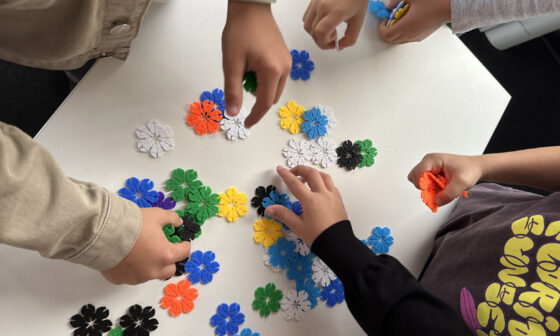
- Offer a low-pressure table game, puzzle, or deck of cards.
- Add one cooperative challenge where the group works toward a shared goal.
- Keep a casual seating area available for guests who would rather talk.
Plan The Space
Arrange the yard so guests can move safely and understand where each activity belongs. Put throwing or striking games away from food tables, stairs, walkways, low branches, and parked cars. Create separate areas for play, eating, resting, and conversation so a lively game does not take over the entire gathering.
Arrange the yard so guests can move safely and understand where each activity belongs. Put throwing or striking games away from food tables, stairs, walkways, low branches, and parked cars. Create separate areas for play, eating, resting, and conversation so a lively game does not take over the entire gathering.
- Leave open paths between game areas and seating.
- Provide stable chairs with backs for guests who need a break.
- Use outdoor lighting near paths, steps, and active game zones.
- Set out water where guests can easily reach it.
- Offer shade when the event takes place in warm conditions.
A level surface, wider walking paths, and seating near the action can make the evening more comfortable for older guests and people with mobility limitations.
Make The Rules Easy To Follow
Long instructions can drain momentum before the fun begins. Explain the main goal, demonstrate one turn, and let everyone try a practice round. Keep a short written summary nearby for anyone who joins late or wants a reminder.
- State what players are trying to accomplish.
- Show one example turn.
- Run a quick practice round.
- Answer questions while the game is already moving.
Friendly house rules are useful. Shorten a round, rebalance teams, or let a new player take an extra practice attempt when the group agrees. The goal is a good shared experience, not a flawless scoreboard.
Serve Food And Drinks For Everyone
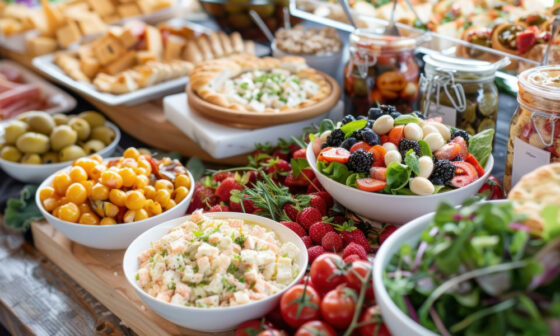
Choose foods that guests can eat without leaving the gathering for long. Small sandwiches, fruit, vegetables, chips, and simple shared dishes are easier to manage than a complicated seated meal. Label foods that are vegetarian, vegan, gluten-free, or made without common allergens, and use serving utensils when possible.
Keep cold drinks in a separate, easy-to-reach area and make water available throughout the event. If alcohol is offered, provide appealing nonalcoholic choices and avoid making drinking part of participation in any game.
Keep Guests Involved
Not every guest wants to compete. Someone may prefer to keep score, choose music, take photos, explain rules, cheer for a team, or simply sit nearby and talk. Offering these smaller roles helps people feel included without putting them on the spot.
Outdoor settings can support different kinds of social time. A University of Michigan analysis of nearly 400,000 social media posts found that outdoor spaces can shape recreation and social connection, which is a useful reminder to let the backyard itself guide the mood of the evening.
- Ask which games guests remember playing as children.
- Invite teams to make simple names.
- Let the group vote on the next activity.
- Rotate partners so guests meet someone new.
Prepare For Weather And Safety
Check the forecast before guests arrive and make an indoor backup plan if possible. Watch for rain, strong wind, heat, slippery ground, insects, poor lighting, and crowded throwing zones. Secure lightweight decorations, keep a first-aid kit accessible, and move activities inside if conditions become unsafe.
Light movement can be a welcome part of the night, but it should remain optional. The CDC notes that physical activity can support feeling and functioning better, so offer choices that let guests move at a pace that feels comfortable for them.
Sample Game Night Plan
- 6:00 p.m.: Guests arrive, get food, and look over the activity areas.
- 6:20 p.m.: Introduce the first game and run a practice round.
- 6:40 p.m.: Rotate teams or open additional activities.
- 7:15 p.m.: Serve a more substantial snack or meal.
- 7:45 p.m.: Try a short cooperative group challenge.
- 8:15 p.m.: Shift to free play and conversation.
- 8:45 p.m.: Begin a relaxed closeout and help guests gather belongings.
Common Questions
How Many Guests Should Attend?
A group of roughly eight to sixteen guests is manageable for many backyard gatherings. For larger groups, create separate stations so no one waits too long for a turn.
What If Some Guests Do Not Like Games?
Make seating, food, music, and conversation part of the event rather than treating them as sidelines. No one should feel pressured to play.
How Can A Host Include Children And Adults?
Use mixed-age teams, shorter rounds, adjustable distances, and a quiet break area. Avoid relying on speed, strength, or advanced skill alone.
Should There Be Prizes?
Small humorous awards can add energy without raising the stakes. Consider recognition for teamwork, sportsmanship, a funny team name, or a creative strategy.
What Happens If The Weather Changes?
Keep an indoor list ready with cards, trivia, puzzles, and conversation prompts. A change of location does not have to end the gathering.
Conclusion
A successful backyard game night is built around clear options, comfortable spaces, and a welcoming tone. When guests can play, watch, rest, talk, or help in their own way, the event feels less like a competition and more like time well spent together.