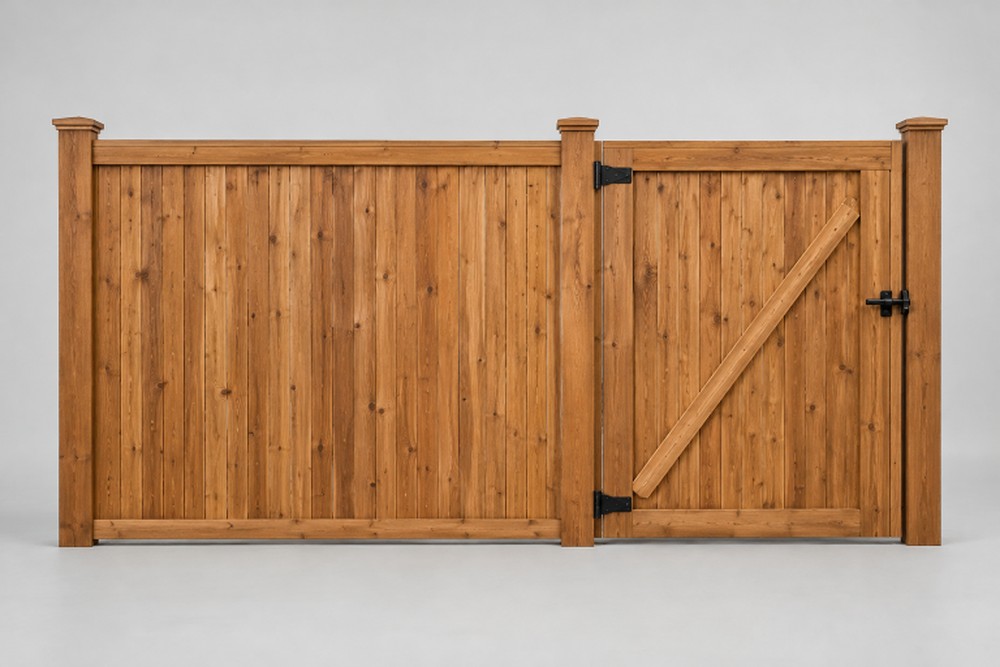
A wood fence can make a Cincinnati yard feel more private, secure, and finished without losing the warmth of a natural material. The right choice begins with the job it needs to do, whether that means screening a patio, giving a dog room to play, marking a boundary, or improving the view from the street.
Homeowners comparing wood fences in Cincinnati can use Furlong Fence’s local wood-fencing page to review privacy, shadowbox, picket, horizontal, board-on-board, and decorative options. Furlong Fence specializes in residential wood fence installation for Greater Cincinnati and Northern Kentucky, making it a useful starting point for evaluating styles, heights, finishes, and everyday uses before requesting estimates.
Start With the Job Your Fence Must Do
Choosing a style from a photo before defining its purpose can lead to a fence that looks good but does not work well for the property. Write down the two most important goals for the project. Common priorities include:
- Creating privacy around a backyard, deck, pool, or patio
- Containing dogs or creating a safer play area for children
- Defining a property edge without closing off the landscape
- Screening air-conditioning equipment, trash bins, or a busy street view
- Adding curb appeal around a front yard, garden, or walkway
One property may benefit from more than one fence design. A low, open picket fence can frame a front garden, while a taller privacy fence creates a more secluded backyard.
Match the Style to the Privacy You Need
Open and semi-private designs
Picket, ranch-rail, and other open styles define space while preserving sightlines. They can suit front yards, garden borders, and homes where an open appearance matters. Shadowbox fencing places alternating boards on opposite sides of the rails, helping reduce direct views while allowing more airflow than a solid wall of boards.
Full-privacy designs
Solid vertical privacy fencing, board-on-board layouts, and tongue-and-groove designs are better suited to homeowners who want fewer gaps between boards. Fence height, board spacing, neighboring elevations, and the yard’s slope all affect how private the finished fence feels.
Before selecting a design, consider whether nearby windows overlook the yard, whether the fence borders a sidewalk or road, whether airflow is important, and whether a taller structure could shade garden beds or indoor windows.
Choose Wood With Budget and Maintenance in Mind
Pressure-treated pine and cedar are common choices for residential wood fencing. Pressure-treated lumber is widely used for structural components because the treatment helps protect wood used in outdoor conditions. Cedar is often selected for its natural appearance and natural resistance to decay, though material availability and price can vary.
Long-term performance depends on more than species. Sun exposure, drainage, wet leaves, soil contact, and the quality of installation all matter. The U.S. Forest Service recommends keeping boards off the ground and using suitably protected posts, because persistent moisture can accelerate decay. Treated posts, appropriate fasteners, and a layout that avoids trapped water are practical details worth discussing before installation.
Plan for Pets, Children, and Daily Use
A pet fence needs more than enough height. Small dogs may find openings beneath gates or near uneven ground, while larger dogs may test low rails, weak latches, or climbable features. Walk the entire proposed boundary and look closely at retaining walls, sheds, slopes, landscaping edges, and corners where gaps can form.
Gates deserve the same attention as the fence itself. A gate should open comfortably, latch reliably, and leave enough room for lawn equipment, trash bins, or a stroller if needed. For example, a homeowner might choose a solid privacy fence around a dog run while using a more open fence near the front walk to maintain a welcoming look.
Make the Fence Fit the Home
Wood is flexible from a design standpoint. Flat-top pickets can feel simple and tailored, dog-ear boards offer a traditional residential look, and cap-and-trim details can add visual structure to a privacy fence. Lattice tops add decoration above a solid lower section, while horizontal boards can create a more contemporary appearance.
Consider the home’s siding, brick, stone, trim color, and landscaping when choosing a stain. Natural wood tones can complement many exterior palettes, while a darker stain may provide contrast around light siding. The front-facing portion of a property often benefits from a design that feels more open than the backyard.
Account for Cincinnati Site Conditions
Cincinnati properties experience changing seasons, rain, humidity, freezing conditions, and occasional strong storms. These conditions make post depth, drainage, secure connections, and routine inspection important. Keep mulch, soil, vines, and piles of wet leaves from staying against the fence for long periods.
Sloped yards require additional planning. A fence can be stepped in level sections or adjusted to follow the grade, depending on the terrain and preferred appearance. Gates on a slope need particular attention so they can swing, latch, and clear the ground properly. Before work begins, confirm property boundaries, easements, neighborhood rules, and local permit requirements.
Understand the Maintenance Commitment
Wood fencing is attractive and adaptable, but it needs routine care. Inspect posts, rails, pickets, fasteners, and gates at least twice a year. Remove debris that retains moisture, clean off dirt or organic buildup as needed, and address loose boards before the issue affects nearby sections.
Stain or sealer can help manage weathering and moisture exposure, but the timing and frequency of application and reapplication depend on the product, the wood, and site conditions. Follow the coating manufacturer’s instructions rather than relying on a fixed calendar schedule for every fence.
Compare the Whole Project Cost
The project price involves more than boards and posts. Written estimates should identify the fence height, total linear footage, wood type, number and size of gates, old-fence removal, site access, terrain challenges, cleanup, and warranty details. A lower estimate may reflect different post materials, gate construction, hardware, site preparation, or finishing work.
A Simple Fence-Selection Process
- List the top two reasons for building the fence.
- Measure the approximate boundary and note trees, slopes, utilities, structures, and gates.
- Choose the privacy level and height that fit the yard.
- Compare wood options based on appearance, budget, and maintenance preferences.
- Select details that work with the home and landscape.
- Verify boundaries, easements, and applicable rules.
- Request detailed estimates from qualified fencing professionals.
Common Questions About Wood Fences
How long can a wood fence last?
Its service life depends on the wood, installation quality, drainage, soil contact, climate exposure, and maintenance. A well-planned fence generally performs better than one exposed to constant ground moisture or neglected damage.
Is cedar better than pressure-treated pine?
Neither is automatically better for every property. Cedar may appeal to homeowners who prioritize its natural appearance, while pressure-treated pine can be a practical choice for many structural fence components. Budget, availability, finish preferences, and site exposure should guide the decision.
Can a wood fence work on a sloped yard?
Yes. Stepped or contoured layouts can address uneven grades, but the best design depends on drainage, gate locations, slope, and the appearance the homeowner wants.
Choose the Yard You Have
The best wood fence balances purpose, privacy, appearance, maintenance, and budget. By planning around how the Cincinnati property is actually used, homeowners can select a fence that feels natural in the landscape and remains useful for everyday life.