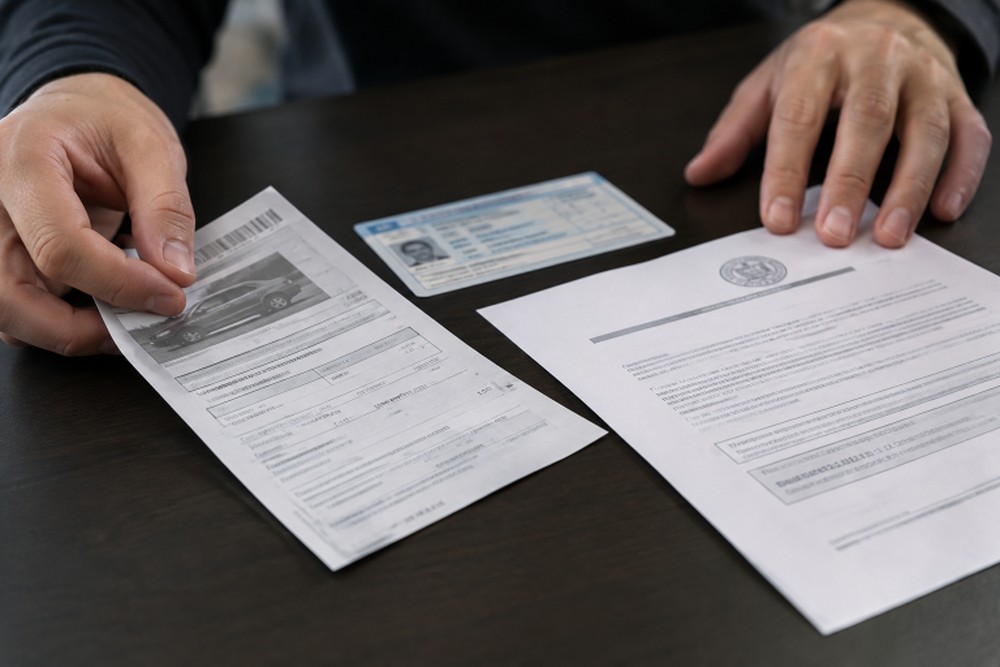
A suspected DUI stop can feel disorienting, whether it happens on a busy Phoenix freeway, a quiet Tucson street, or a rural Arizona highway after dark. Understanding the usual steps involved in a DUI in Arizona can help a driver preserve important information, track deadlines, and avoid making the situation harder to manage.
This is general educational information, not personal legal advice. Each case has its own facts, paperwork, testing history, and court instructions. A charge is an allegation, not a conviction, and the documents issued after a stop often determine what needs attention first.
Why the First Few Hours Matter
Stress can make a stop difficult to remember in sequence. As soon as practical, write a private account of what happened without guessing or trying to fill gaps. Record the location, the reason given for the stop, questions asked, the sequence of events, and whether there were witnesses.
Arizona conditions can be relevant to roadside observations. Desert heat, uneven surfaces, gravel shoulders, nighttime glare, monsoon rain, heavy traffic, footwear, injuries, fatigue, and medical conditions may affect balance or performance on physical exercises. Keep the notes factual, and avoid posting descriptions, photos, messages, or opinions about the incident on social media.
What Usually Happens During a Traffic Stop
A traffic stop often begins with a request for a driver’s license, registration, and proof of insurance. An officer may then ask questions about travel, alcohol, medication, or drug use. Police reports may later describe driving behavior, speech, coordination, appearance, eye movement, and statements made during the encounter.
Drivers should remain calm, provide required documents, follow lawful instructions, and avoid arguing at the roadside. Those observations can be part of a later case review, but they are not the only materials that may matter. Video, reports, testing records, dispatch information, and witness accounts can provide additional context.
Roadside Tests and Chemical Testing
Field sobriety exercises, preliminary breath screening, and post-arrest chemical testing are not necessarily the same thing. They can occur at different stages and may serve different purposes. The conditions of any test can matter, including pavement, lighting, weather, physical limitations, language barriers, footwear, and the instructions that were given.
Chemical testing may involve breath, blood, or other methods permitted by law. Refusal decisions can carry separate driver-license consequences under Arizona’s implied-consent rules. The Arizona Department of Transportation explains that a person who receives a suspension notice generally has a limited time to request a hearing to challenge the license suspension, so the date printed on the notice warrants immediate attention.
The Separate License Case
A driver’s license issue may proceed on a track separate from the criminal charge. This means a court date does not necessarily resolve a suspension notice, a temporary license, a restricted-driving question, or an administrative hearing request. Read every page received from the arresting agency and the Arizona Motor Vehicle Division.
License Checklist
- Read the citation, temporary license, and suspension notice line by line.
- Put every listed deadline on a calendar with reminders.
- Confirm the current driving status before driving.
- Keep copies of hearing requests, receipts, emails, and mailed submissions.
- Ask MVD about procedures that apply to the specific notice received.
For broad enforcement and safety context, the Arizona Department of Public Safety notes that impaired driving can involve alcohol, drugs, and certain medications. That general information does not replace a careful review of an individual driver’s notice, evidence, or court paperwork.
What to Expect Before the First Court Date
The first court appearance may be called an arraignment or initial appearance, depending on the court and case. It is important to confirm the court’s name, address, date, time, courtroom, and appearance instructions. Court notices may be mailed, handed to the driver, or included with release paperwork.
Missing a required court date can create additional problems, including possible warrant or license-related consequences. Do not assume a date has changed because someone gave informal information. Confirm scheduling details directly through the court identified on the citation or notice.
How Evidence Is Reviewed
DUI cases may involve many types of records, such as body-camera footage, dash-camera video, police reports, dispatch recordings, breath or blood test records, witness statements, 911 calls, towing paperwork, and vehicle records. The timing, preservation, collection, and handling of these materials can all be relevant.
A thorough review compares multiple sources rather than treating a single document as the entire story. For example, a written report may be considered alongside available video, testing documentation, and the driver’s own contemporaneous notes. The goal is to identify what is known, what remains unclear, and what records should be preserved.
Common Mistakes That Can Make the Process Harder
- Ignoring a driver’s license deadline while focusing only on court.
- Throwing away paperwork from law enforcement, MVD, or the court.
- Posting about the stop online or discussing it in group messages.
- Assuming release from custody means the matter is finished.
- Missing court because of a calendar mistake.
- Guessing about test results before reviewing official records.
- Discussing details with potential witnesses in a way that may affect later recollections.
A Simple Document-Gathering Checklist
- Traffic citation or charging document.
- Temporary license, suspension notice, and hearing materials.
- Release paperwork and tow or impound records.
- Insurance, registration, and vehicle documents.
- Relevant medical, prescription, or treatment information.
- Names and contact details for possible witnesses.
- Letters, emails, and notices from the court or MVD.
Questions Readers May Have
Can a DUI charge be filed after release?
Yes. Release from custody does not necessarily end the matter. The citation, charging document, release terms, or later court notice will identify the next required step.
Is the license matter the same as the criminal case?
Not always. Different agencies, procedures, deadlines, and decisions may apply. Treat the license paperwork as a time-sensitive issue in its own right.
What if prescription medication was involved?
A valid prescription does not automatically answer the question of whether impairment is alleged. Timing, dosage, warnings, observed driving, and other facts may be considered.
Practical Steps for the First Week
- Read and organize all paperwork.
- Record court and license deadlines immediately.
- Write a private, factual timeline of the stop.
- Gather relevant vehicle, medical, and insurance records.
- Avoid public discussion of the incident.
- Seek qualified legal guidance if deadlines, notices, or next steps are unclear.
Conclusion
A suspected Arizona DUI case can involve several moving parts, but an organized response makes the process more manageable. Preserve documents, track deadlines, keep notes factual, protect personal information, and remember that the license process may be separate from the criminal case. Timely attention to the paperwork provides a stronger foundation for informed decisions.